
Highlights
- Indian government expands rare earth magnet scheme from ₹1,350 crore to ₹5,000 crore.
- Aim to increase annual production from 1,500 to 6,000 metric tonnes.
- The seven-year initiative will incentivize at least five manufacturers.
- Objective to reduce dependence on imports for critical industries like EVs, wind turbines, and defense.
- Despite significant rare earth reserves, India currently produces only 2,900 tonnes of rare earth oxides annually.
- Highlights the strategic importance of this investment.
A recent Financial Express report (opens in a new tab) reveals that the Indian government plans to supercharge its rare earth magnet scheme, increasing the funding outlay nearly fourfold—from ₹1,350 crore to over ₹5,000 crore ($600m USD). In parallel, the annual domestic production target will rise from 1,500 metric tonnes to 6,000 MT. This isn’t just a budget bump—it’s a strategic escalation. The move is designed to reduce import dependence, attract broader industry participation, and secure key supply chains for EVs, wind turbines, electronics, and defense.
The scheme—expected to span seven years—will be open to public and private players capable of full-spectrum magnet production. Gone is the previous cap on just two manufacturers; now at least five are expected to receive incentives, each for up to 1,200 MT of output per year. That’s a deliberate shift to decentralize risk and build an industrial base.
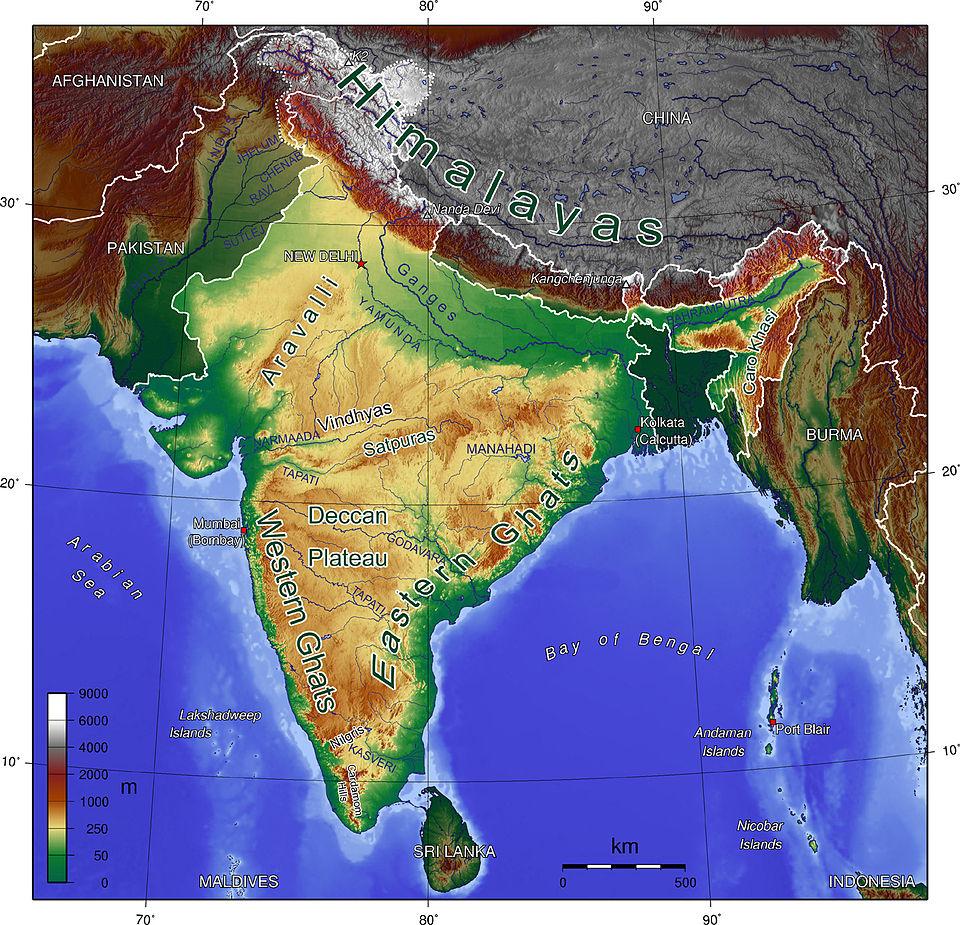
India—World’s Fourth Biggest Economy Making Rare Earth Moves
What Holds Water
This policy update aligns with real-world urgency. India currently produces only 2,900 tonnes of rare earth oxides annually—despite sitting on an estimated 6.9 million tonnes of reserves. Meanwhile, magnet imports surged to 53,000 tonnes in FY25, underscoring how critical and unbalanced the supply chain remains.
The article rightly flags that the domestic demand for magnets is about 4,000 MT annually and expected to double by 2030, making the revised production target reasonably aligned with market projections.
The inclusion of key stakeholders—JSW, Mahindra, Kalyani, Sona Comstar, and others—also reflects genuine private sector interest. Industry input helped reshape the scheme’s scope, and the Ministry of Heavy Industries (MHI) responded with policy flexibility. So far, so credible.
Missing Magnets: Where the Article Falls Short
The article omits mention of two critical weak spots:
- Processing bottlenecks: India lacks commercial-scale rare earth separation facilities. Without midstream capacity, mining more REE won’t solve the magnet problem.
- Geopolitical exposure: While the narrative implies self-reliance, it doesn't mention that India still depends on China for 90%+ of refined REE inputs—especially heavy rare earths like dysprosium and terbium.
Also missing: the role of https://www.irel.co.in/ (opens in a new tab). While noted as India’s sole public rare earth miner/refiner, there’s no mention of its past performance challenges or reform status.
Final Take
This is a welcome, well-calibrated step forward—but headlines alone won’t magnetize a supply chain. India must now build serious midstream muscle, attract metallurgical expertise, and lock in domestic refining partnerships. Otherwise, even ₹5,000 crore may fall short of breaking China’s grip on the rare earth value chain.
™ Rare Earth Exchanges. All rights reserved.


0 Comments
Discuss this article