
Highlights
- Countries like Pakistan, Kazakhstan, and South Korea are making significant investments in rare earth mineral development and processing.
- Major companies and governments are working to reduce China's current 85-90% control of rare earth refining capacity.
- The rare earth industry is evolving from a niche commodity market to a critical global diplomatic and industrial strategic priority.
An update for the week of September 8-12, 2025, including some updates from late August. Rare earth elements (REEs) sit at the intersection of industrial policy, clean energy, and defense security. This past week underscored just how global—and urgent—the effort has become to build rare earth supply chains outside of China’s grip. From Islamabad to Indiana, from Georgia to Narva, governments and companies inked financings, partnerships, and offtake agreements that collectively mark a historic acceleration toward supply chain independence.
Allies Push Cross-Border Deals
Two new entrants, Pakistan and Kazakhstan, grabbed headlines. Pakistan signed $500 million in agreements with U.S. firms, including US Strategic Metals, to develop and export critical minerals and explore a new refinery project—an unexpected pivot linking Islamabad’s resources to Washington’s supply chain strategy. Kazakhstan’s President Tokayev, meanwhile, ordered the launch of three new rare earth enterprises, signaling a deliberate diversification away from oil dependency and raising questions about whether the country will lean toward Chinese processors or Western investors.
Midstream: Refining Breakthroughs Gain Traction
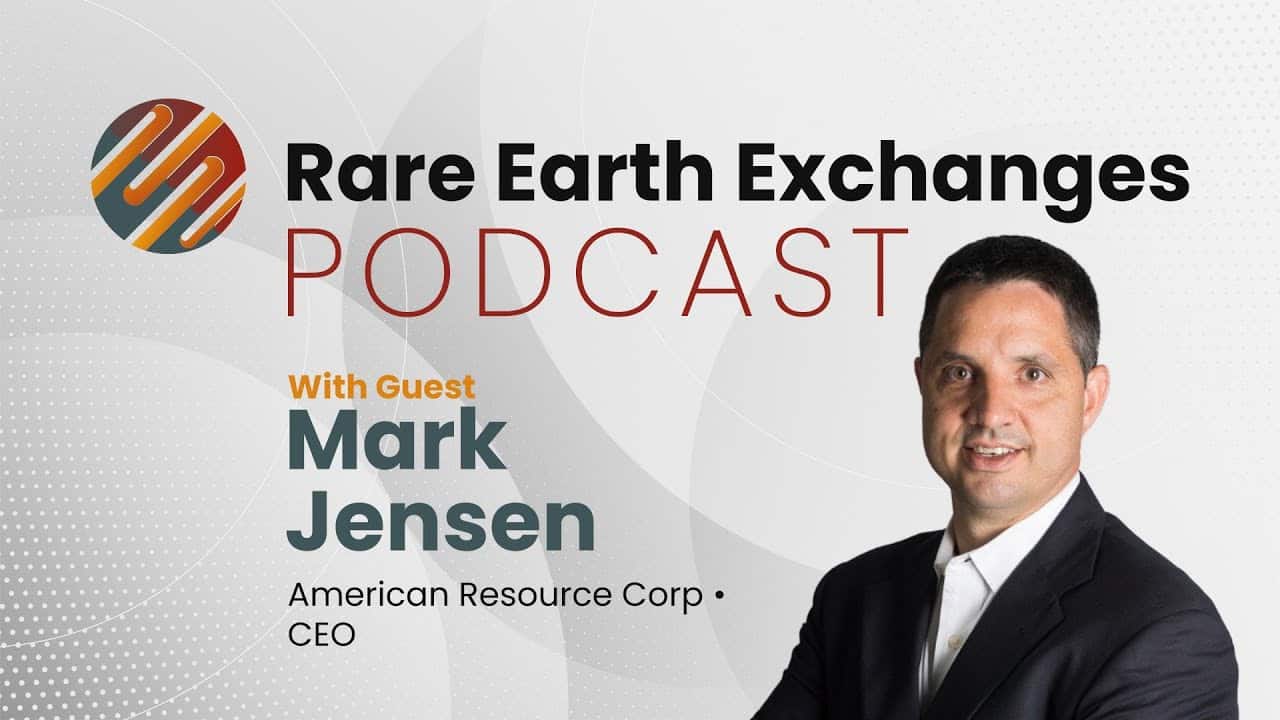
The United States saw major progress in processing. ReElement Technologies secured both a strategic partnership with Principal Mineral (late August) to develop a U.S. rare earth separation and metals hub and a $2 million U.S. Department of Defense grant. Its ligand-assisted chromatography tech is already producing 99.5%-plus pure oxides at higher efficiency and lower waste than legacy processes—critical if the Pentagon is to meet its 2027 “mine-to-magnet” goal. The technology must still be validated at scale. CEO Mark Jensen has assured REEx (opens in a new tab) in a recent podcast that the company is up for the scaling task.
Downstream: Magnets Go Local
Permanent magnet manufacturing is moving firmly onto Western soil. REEx reported earlier in September that South Korea’s JS Link announced a $223 million NdFeB magnet plant in Columbus, Georgia, slated to open in 2027 with a capacity of 3,000 tonnes per year and 500+ jobs. Europe is also stepping forward: Neo Performance Materials’ Narva, Estonia facility—the EU’s first large-scale magnet plant—is on track to start production this month. Meanwhile, cross-Atlantic cooperation deepened as late last month Torngat Metals of Canada and Germany’s VAC signed an MOU (opens in a new tab) to secure dysprosium and terbium supplies from Quebec’s Strange Lake deposit. Add in Apple’s $500 million partnership with MP Materials and GM’s offtake with Noveon (opens in a new tab), and a clear trend emerges: OEMs are locking down magnet supply chains before bottlenecks become crises.
Outlook: From Fragmentation to Integration
What ties these deals together is momentum. Countries outside the traditional REE club are entering the race, startups and incumbents are forging integrated partnerships, and governments are pouring funds into refining and magnet production. Yet the driver is more than economics—these deals are about strategic autonomy. With China still controlling 85–90% of refining capacity, the West’s scramble to “friend-shore” rare earths is as much about national security as it is about the energy transition.
The pace of announcements suggests a new era: rare earths are no longer a niche commodity story—they are now a global diplomatic, industrial, and financial front line.
©!-- /wp:paragraph -->


0 Comments