
Highlights
- German magnet manufacturer VAC explores strategic partnerships in Japan and Indonesia to diversify critical mineral supply chains.
- CEO emphasizes the national security importance of securing predictable access to rare earth minerals for high-tech industries.
- Diplomatic mission signals Germany's commitment to reducing dependency on Chinese rare earth processing and enhancing technological resilience.
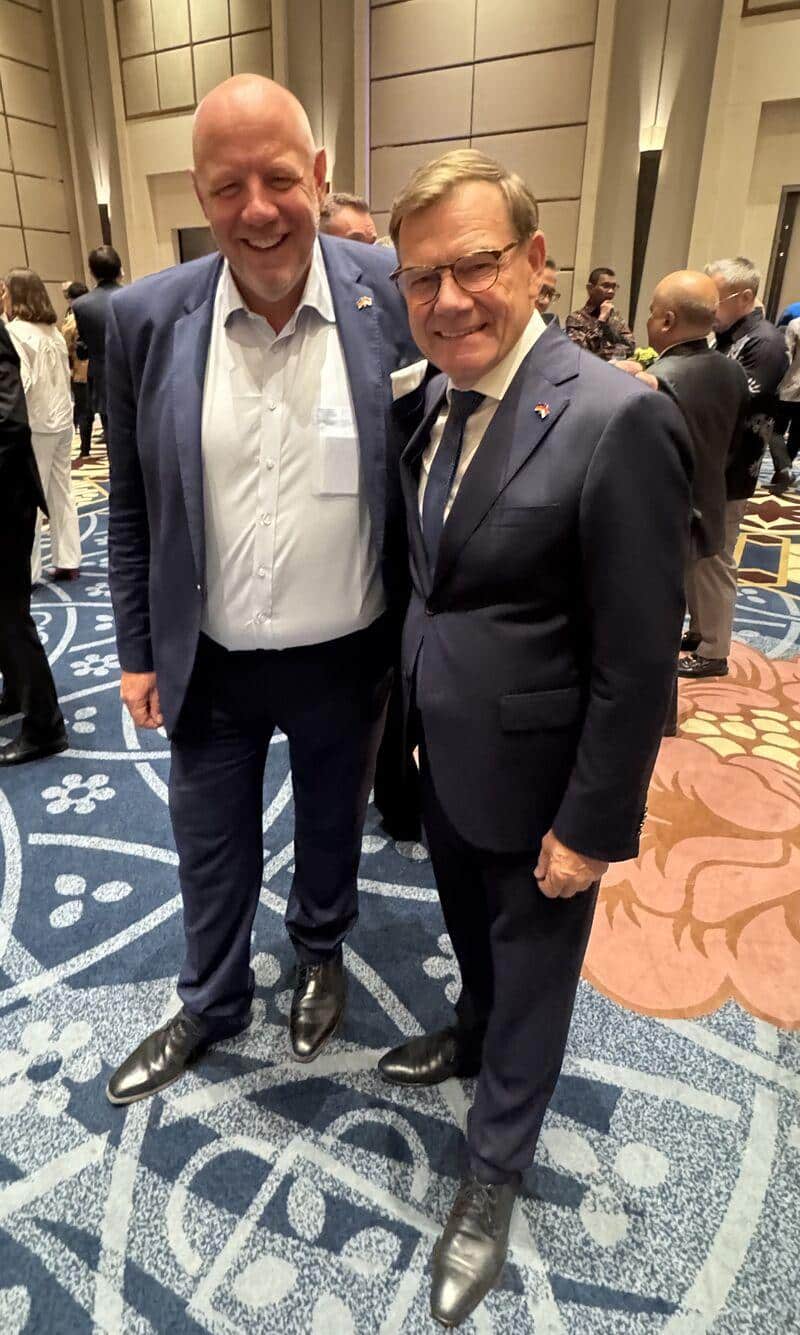
Dr. Erik Eschen, CEO (opens in a new tab) of Vacuumschmelze (VAC (opens in a new tab))—a top-tier German magnet manufacturer ranked on the Rare Earth Exchanges Magnet Manufacturing Rankings—publicly highlighted his participation in a German delegation to Japan and Indonesia led by Bundestag leader Dr. Johann Wadephul. (opens in a new tab)
Eschen described the mission as focused on securing diverse and resilient supply chains for critical minerals—a strategic priority for Germany and its partners. He emphasized “concrete agreements and collaborations” to not only secure upstream resources but also advance midstream technologies essential to long-term stability and innovation.
Why It Matters
VAC is one of Europe’s few globally competitive magnet producers, supplying defense, aerospace, and automotive sectors. Its presence on this mission signals Berlin’s recognition that magnet makers cannot survive without predictable access to neodymium, dysprosium, terbium, and other rare earth inputs—materials overwhelmingly processed in China.
Japan, long a pioneer in rare earth diversification, and Indonesia, rich in nickel and other critical minerals, are logical partners. Yet Eschen’s remarks blur details: no specific contracts or partnerships were disclosed. For investors, this raises questions:
- Are these “concrete agreements” at the memorandum of understanding stage, or do they involve binding supply or joint ventures?
- How will VAC ensure cost-competitive access in markets where China can dump or flex pricing power?
- Is Berlin ready to put state capital behind magnet makers the way Washington has backed MP Materials or Lynas?
The Subtext
The messaging—“Freedom, Security, Prosperity”—underscores that magnets are no longer just industrial inputs; they are viewed as national security assets. The post reads more as strategic signaling than a commercial disclosure, aimed at reassuring stakeholders that Europe is “in the game” on critical minerals.
Rare Earth Exchanges Take
For retail investors, the signal is clear: Germany’s magnet industry is on the diplomatic front line of supply chain geopolitics. But rhetoric about resilience will only matter if it translates into supply contracts, investment in midstream separation outside China, and magnet production capacity expansion inside Europe. Until VAC and its peers publish tangible commitments, the LinkedIn optimism should be read as policy posture, not yet market-moving action.
Source: Dr. Erik Eschen, CEO of VAC-Group/Vacuumschmelze GmbH & Co KG, Aug. 2025; LinkedIn
©!-- /wp:paragraph -->


0 Comments