
Highlights
- China Northern Rare Earth's Phase II green smelting upgrade in Baotou has resumed construction after winter shutdowns, with equipment installation expected by late April as part of efforts to modernize refining capacity.
- The project reinforces China's dominance in rare earth refining—the supply chain bottleneck that Western nations struggle to replicate despite mining investments.
- Baotou's expanding infrastructure strengthens China's control over midstream processing, the critical stage between mining and production of magnets, electronics, and defense technologies.
A Chinese industry report indicates that the second phase of the Northern Rare Earth Green Smelting Upgrade and Transformation Project has officially resumed construction following winter shutdowns. The project, tied to Baogang Group and China Northern Rare Earth Group, is part of a broader effort to modernize and expand rare earth refining capacity in Baotou, Inner Mongolia—home to the world’s largest rare earth industrial cluster.
Baotou, Inner Mongolia
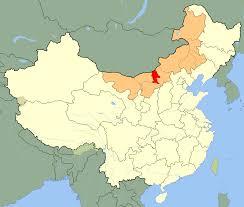
Rare Earth Exchanges™ has chronicled this effort since last year. According to the report, the construction site has returned to full activity after safety inspections and hazard reviews were completed. Workers are currently installing integrated pipe racks and structural components, while other specialized construction activities proceed simultaneously. The project is expected to move into the critical equipment installation phase by the end of April, preparing the facility for eventual commissioning and production.
Building a “Green Smelting” Rare Earth Hub
The project is described as a “green smelting upgrade,” signaling a modernization of rare earth refining technology aimed at improving efficiency, environmental performance, and integration across processing stages.
Northern Rare Earth plans to accelerate construction through the spring season by reorganizing the build schedule, strengthening safety oversight, and implementing strict quality-control measures. The company says these upgrades will help ensure the facility enters production on schedule and at high operational standards.
The project is also framed as part of Baogang Group’s mission to build “two rare earth bases”—a phrase commonly used in Chinese industrial policy referring to the creation of major rare earth production and processing hubs capable of supporting both domestic manufacturing and export supply chains.
Why This Matters for Global Supply Chains
For Western industry watchers, the key takeaway is not simply construction progress. It is the continued expansion and modernization of China’s rare earth refining infrastructure, the stage of the supply chain where China already dominates globally.
Even as Western governments invest in new mines, the bottleneck remains in refining and separation capacity—precisely the area this project targets. Facilities like this one strengthen China’s ability to control midstream processing, the step required before rare earth materials can be turned into magnets, electronics components, and defense technologies.
In other words, while Western policymakers often focus on mining projects, China continues to scale up its industrial backbone for converting rare-earth ore into usable materials.
A Signal of Long-Term Strategy
The restart of this project underscores a consistent theme in China’s critical-minerals policy: incremental but relentless expansion of processing capacity. Each new smelting or separation upgrade reinforces Baotou’s role as the world’s most important rare earth industrial hub—one capable of shaping prices, supply stability, and the pace of downstream technology development.
Disclaimer**:** This news item originates from media affiliated with a Chinese state-owned enterprise (Baogang Group). The details and claims should be independently verified before being treated as confirmed industrial developments.


0 Comments
No replies yet
Loading new replies...
Moderator
Join the full discussion at the Rare Earth Exchanges Forum →