
Highlights
- Indonesia plans to establish full state control over rare earths through a new Mineral Industry Agency (MIA).
- The strategy mimics previous nickel industry policies, focusing on value-added downstream processing and resource sovereignty.
- Investors should watch for specific regulatory details, licensing terms, and potential export-permit regimes.
The Story: Indonesia’s Energy Minister Bahlil Lahadalia (opens in a new tab) says the state will “entirely” control rare earths, with the new Mineral Industry Agency (MIA) steering downstream product choices while the Energy Ministry handles upstream raw materials. Regulations are “underway,” and Higher Education Minister Brian Yuliarto will lead the MIA as a standalone body.
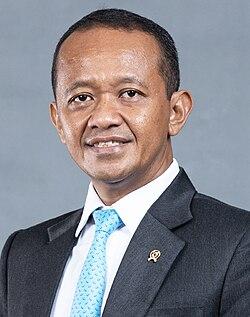
Energy Minister Bahlil Lahadalia
Indonesia’s message is unmistakable: Jakarta wants the state squarely in the driver’s seat of rare earths, echoing the nickel playbook that married export bans to a smelter boom. The plan, as described, draws a clean line of authority—upstream raw materials policy sits with the Energy Ministry while a new, standalone Mineral Industry Agency (MIA)—led by Higher Education Minister Brian Yuliarto—decides which higher-value products Indonesia will target. It’s classic value-add industrial policy: move beyond ore to refined, pricier outputs and capture more rent at home.
But the headline promise of “entire control” still lacks the legal scaffolding that makes markets move. No regulation text yet; no ownership terms, participation rules, or operating model—this could range from tight licensing to outright SOE monopolies. The pricing rationale (“rare earths are very high”) isn’t a policy mechanism; we’ve seen no specifics on permits, quotas, or price controls. And scale matters: Indonesia’s REE base remains nascent compared with its nickel machine. The piece skips over deposit quality, processing readiness, and commercial timelines—the practical yardsticks of feasibility.
There’s framing to watch, too. The “not open to the public” language leans into resource sovereignty and may understate the likelihood of hybrid structures (SOE-led with private capital). Putting the education minister at MIA may indeed bridge universities and labs, but it also consolidates decision power outside the usual industry regulators—politically neat, operationally untested.
For investors, the read-through is straightforward: policy risk is up, but so is the chance of faster, coordinated decision-making, suggests Rare Earth Exchanges. Expect licensing leverage, potential export-permit regimes, and pressure to bring downstream steps onshore. The real diligence starts with the rule text—ownership caps, local-content thresholds, treatment of REE by-products (monazite/xenotime), and whether SOEs get priority acreage. Then track the money, headcount, and first MIA directives; that’s the clock that matters, not the podium soundbites.
Source: Antara (via Jakarta Globe), Aug. 25, 2025.
©!-- /wp:paragraph -->


0 Comments
Discuss this article