
Highlights
- China controls 70% of rare earth mining and 90% of processing.
- In October 2024, China is implementing strict new regulatory oversight.
- An editorial presents China's rare earth market history as strategic economic positioning, balancing between market dominance and environmental concerns.
- CCP-owned media outlet frames rare earth policy as responsible management while subtly warning international actors about Beijing's regulatory control.
China Communist Party (CCP) owned China Daily (opens in a new tab) reports that Beijing has tightened rare earth mining and processing rules, extending oversight to imports and mandating monthly reporting of material flows. This comes as part of October 2024 regulations and reflects the Ministry of Industry and Information Technology’s goal of quota control and traceability. Those elements are accurate: China has indeed consolidated control over rare earths through quota systems, tighter licensing, and reporting requirements—part of a long-running campaign to curb smuggling, manage supply, and clean up environmental damage.
Where the Facts Hold Firm
The editorial correctly states that China mines roughly 70% of rare earths and processes close to 90%—numbers broadly aligned with USGS and industry sources. It also rightly points out that decades of low export prices encouraged global dependency while masking environmental costs at home. Historically, Chinese producers sold oxides for mere dollars per kilogram, well below Western competitors, a move that did accelerate international tech manufacturing. The environmental degradation from unregulated mining is also not in dispute.
CCP Messaging—Some Truth, Spin and A Little Anxiety
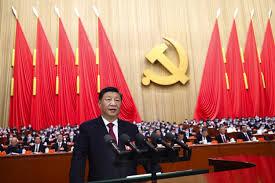
The Narrative Turn: A Story of Generosity
Where the piece slides into selective framing is in painting China’s role as an altruistic benefactor. The claim that developed nations “owe” their technological progress to Chinese rare earth generosity ignores the strategic intent: low pricing and high-volume exports consolidated global market share and drove competitors out of business. To present this as a purely benevolent contribution stretches history toward political messaging.
The Weaponization Denial—A Half-Truth
The editorial insists China has “never weaponized” rare earths. This glosses over the 2010 incident when Beijing restricted exports to Japan during a diplomatic clash. While temporary, it showed supply could be used as leverage. Since then, every regulatory tightening has raised suspicion abroad—suspicions not conjured from thin air. Thus, portraying concerns as baseless Western entitlement is more propaganda than balanced analysis.
Final Verdict: Policy Meets PR
This editorial contains accurate data on market share, environmental history, and regulatory changes. But it layers those facts within a defensive, almost combative narrative aimed at dismissing foreign concerns. Investors should view it less as neutral reporting and more as a messaging tool projecting responsibility, while subtly warning that Beijing alone sets the rules of engagement in rare earths.
Note that China Daily is owned by the Chinese Communist Party (CCP) and is heavily influenced by the CCP's propaganda efforts. As an English-language newspaper, it functions as an instrument to promote a favorable image of China internationally, often through paid inserts and advertising in foreign countries
©!-- /wp:paragraph -->


0 Comments
Discuss this article