
Highlights
- Iran's active enforcement of Strait of Hormuz closure has curtailed vessel traffic since late February 2026, driving oil prices up over 10% and threatening 20% of global oil flows plus significant LNG supplies.
- The energy crisis directly impacts critical mineral processing costs and supply chain fragility, with higher energy prices and shipping disruptions straining nascent ex-China rare earth development efforts.
- China's vertically integrated, self-contained rare earth system with strategic stockpiles positions it to weather disruptions better than fragmented Western supply chains, paradoxically entrenching its dominance over the next 0-36 months despite long-term diversification pressure.
Iran just threatened to fully close the Strait of Hormuz—already partially enforced—marking one of the most consequential energy chokepoint disruptions in decades. Roughly 20% of global oil and a significant share of LNG flows transit this narrow corridor. Since late February 2026, vessel traffic has been sharply curtailed, with only select “friendly” ships reportedly permitted passage. The result: oil prices have surged more than 10%, with gas markets in Europe and Asia also tightening.
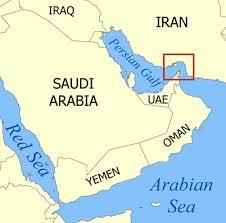
Escalation Risks Extend Beyond Oil
The situation is no longer a theoretical blockade—it is an active, managed disruption with military enforcement. U.S., via President Trump's threats to strike Iranian power infrastructure, met with Tehran’s warnings of retaliatory attacks on regional energy systems and desalination plants, signaling a widening conflict envelope. Critically, Gulf infrastructure in Saudi Arabia, the UAE, and Qatar now sits within the risk perimeter, raising the probability of cascading supply shocks should America bomb energy infrastructure—and if the Iranians are capable of the response they claim.
What This Means for Critical Minerals
For rare earth and critical mineral markets, the implications are indirect but material. Higher energy prices increase processing and separation costs, already a bottleneck dominated by China. Will escalating prices impact nascent ex-China efforts? Shipping disruptions and insurance premiums further strain fragile supply chains.
The core risk: a prolonged Hormuz disruption would not just spike oil—it would amplify volatility across the entire materials economy, exposing how tightly energy, logistics, and critical minerals are intertwined.
REEx Reflections
China’s rare earth system is structurally more resilient in the near term because it is already built at scale and largely self-contained. And the Chinese have stockpiled a considerable amount of oil. The country maintains end-to-end control—from mining through separation, metal/alloy production, and magnet manufacturing—reducing reliance on vulnerable maritime logistics.
This vertical integration is reinforced by strategic stockpiles and a policy framework that enables rapid state-directed prioritization of critical industries, including defense and advanced manufacturing. While China is not immune to global energy shocks, its coal-heavy industrial base, stockpiled oil, and centralized coordination provide a buffer that allows it to absorb and manage disruptions more effectively than its peers.
By contrast, the emerging ex-China supply chain remains fragmented, energy-sensitive, and capital-constrained. The U.S., Australia, and Europe are still heavily dependent on China for midstream processing and magnet finishing, meaning disruptions simultaneously drive up costs and delay production.
And new refining and metallization projects—many still years from scale—are particularly vulnerable to energy price volatility, financing pressures, and logistical bottlenecks, including rising shipping insurance and transport delays.
The strategic paradox is stark: a prolonged disruption in the Strait of Hormuz could ultimately accelerate diversification and policy backing for ex-China supply chains, yet over the next 0–36 months, it is more likely to entrench China’s dominance. The reality is straightforward—systems already operating at scale can absorb and even benefit from disruption, while those still being built face cost inflation, delays, and execution risk.
For U.S. military planners, this is not theoretical; it underscores the need for contingency planning that accounts for the simultaneous fragility of supply chains for critical materials, energy, and logistics.


0 Comments
No replies yet
Loading new replies...
Moderator
Join the full discussion at the Rare Earth Exchanges Forum →