
Highlights
- Trump postponed strikes on Iran for five days amid “productive talks,” though Iran denies negotiations—leaving
markets trading ambiguity, not peace, as 11 million barrels per day remain knocked out of global supply. - China and Russia support Iran through economic lifelines and diplomatic cover without direct military
intervention, positioning themselves to gain from energy market disruption and U.S. overextension. - America’s strategic advantage depends on securing its industrial base in critical minerals, avoiding military
overreach, and acting with discipline—as this crisis tests systems-competition resilience beyond the battlefield.
The clearest reading of today’s crisis is that President Trump did not exactly back down, but he did pause because the economic and military blast radius of immediate escalation was becoming harder to control. Trump postponed threatened U.S. strikes on Iranian power plants for five days, citing “very good and productive” talks, while Iranian media and officials denied any direct or indirect negotiations and cast the move as a U.S. retreat. That leaves markets trading not peace, but ambiguity.
What’s Going On?
That ambiguity matters because the underlying crisis remains live. The Strait of Hormuz disruption is still the central shock, Iranian missile strikes hit southern Israel over the weekend, and the International Energy Agency said about 11 million barrels per day have been knocked out of global supply—more severe than the 1970s oil shocks. That helps explain why oil surged on escalation fears, then fell sharply after Trump’s pause. Markets are not pricing resolution; they are repricing strike probability.
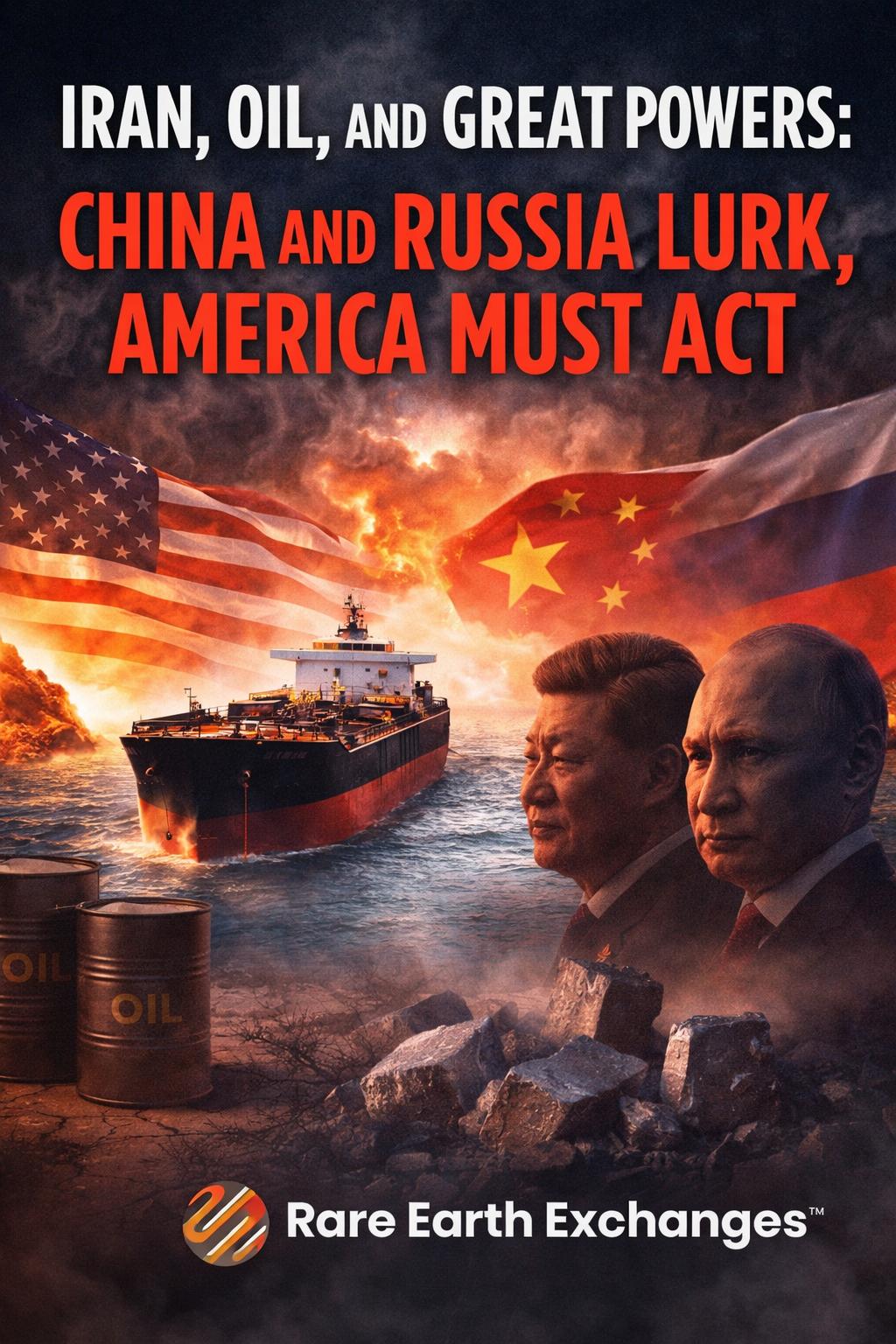
Now add the great-power layer. China and Russia are helping Iran, but mostly in structural and diplomatic ways rather than through overt military intervention. China remains Iran’s most important external economic outlet through ongoing purchases by Chinese independent refiners, even as Reuters reports Sinopec (opens in a new tab) itself said on Monday it will not directly buy Iranian oil.
At the same time, Beijing is publicly calling for de-escalation and warning that a wider war could destabilize the region and damage global growth. In plain English: China is not charging into the fight, but it is still part of the system that helps Tehran endure sanctions and isolation.
Russia’s role is similar. Putin has publicly described Russia as a “loyal friend and reliable partner” of Iran, and the Kremlin has sharply criticized strikes near the Bushehr nuclear plant. But Reuters also reports there is little evidence of direct Russian military intervention on Iran’s behalf. Moscow appears to be offering political cover and rhetorical solidarity while avoiding a deeper operational commitment.
That is Great Powers Era 2.0: not rigid blocs marching in lockstep, but major powers exploiting crisis through energy flows, sanctions workarounds, diplomacy, industrial supply chain dependencies, and market dislocation. We have arrived in a new era. Rare Earth Exchanges™ predicted during the Venezuelan incursion intensification of conflict at chokepoints.
What Nations Benefit?
Does China need to win this war militarily to gain from it? If the United States absorbs the security burden while energy and commodity markets seize up, Beijing can still emerge relatively stronger as a commercial power with deeper supply-chain leverage, as Rare Earth Exchanges has outlined. Russia, meanwhile, benefits from higher oil prices and a distracted West.
What should America do? Keep military aims narrow, avoid turning a regional conflict into a long war of attrition, tighten enforcement on shadow shipping and dual-use trade, and accelerate domestic capacity in oil, tungsten, rare earths, and magnets. Note that U.S. tungsten stocks are already under strain as war demand rises and China’s supply dominance bites harder. The lesson is blunt: the battlefield is no longer just territorial. It is industrial—it’s supply chains, systems and supportive policy.
So is China emerging alongside the United States after this incursion? Not as a replacement superpower—at least not in the short run.
China’s Troubles are Real
China carries real structural constraints: overcapacity across key industries, tightening (and oppressive) state control, capital restrictions, and a system that still struggles to attract and retain truly free-market dynamism. Many industrious, enterprising Chinese would love nothing more than to set up operations in America. The government limits its ability to move money around. This is a profound, disturbing reality faced by the people, and importantly, the highly influential business class.
China’s unique hybrid of socialist central planning and bare-knuckle, cut-throat capitalism has taken that nation through a miraculous growth curve over the last four decades, with increasingly dangerous contradictions around the next corner.
But America’s Faces Significant Challenges
By contrast, the United States—culturally, economically, and institutionally—still offers the most fertile ground for innovation, capital formation, and long-term growth. Its system, at its core, is built to embrace risk-taking and reinvention. But that foundation is under strain. Rising socio-economic polarization, intensifying cultural tribalism, and persistent political infighting are eroding cohesion. A hollowing out of the middle class is not just an economic issue—it is a destabilizing force that can fuel more radical and reactionary politics, both on the right and the left.
America’s advantages are real—but they are not self-executing. They are under pressure, and increasingly so.
Where Does this Go?
Because in this moment, China does not need to be stronger than the United States. It only needs the United States to miscalculate. If Washington overextends militarily, allows energy shocks to ripple unchecked, and fails to secure its industrial base—particularly across critical minerals and processing—then Beijing gains by default. Not through dominance, but through relative positioning. Rare Earth Exchanges has warned the U.S. government and military planners to get on top of this before it spirals out of control. It will slow down our rebuilding of supply chains if energy prices surge up and up, giving China the advantage even further.
That is the uncomfortable truth: this is not a contest of perfection, but of resilience under stress. China is positioned to absorb disruption, secure discounted resources, and exploit fractured markets. The United States is still better positioned overall for some of the reasons we cite above—but only if it acts with discipline, speed, restraint, and strategic clarity.
This is not just an Iran story. It is a systems-competition stress test—and the outcome will not be decided on the battlefield alone. Rare Earth Exchanges has delineated a course of action in the body of articles. It’s there for those interested in a path forward.


0 Comments
Discuss this article