
Highlights
- POSCO International launched a $16M venture fund targeting heavy rare earth separation and refining, focusing on dysprosium and terbium for high-performance EV magnets outside China's control.
- The Korean firm is building refining projects in Southeast Asia (Malaysia, Laos) and partnering with ReElement Technologies for a 3,000-ton U.S. plant, aligning with Western industrial policy.
- Heavy rare earths—not mining—represent the true supply chain bottleneck, with separation and refining capacity remaining highly concentrated in China despite emerging competition.
South Korea’s POSCO International (opens in a new tab) launched a $16M venture fund to invest in heavy rare earth supply, targeting EV magnets. It’s also building projects in Southeast Asia and the U.S. For investors, this is not about size—it’s about strategy: the Korean firm is moving to secure dysprosium and terbium outside China.
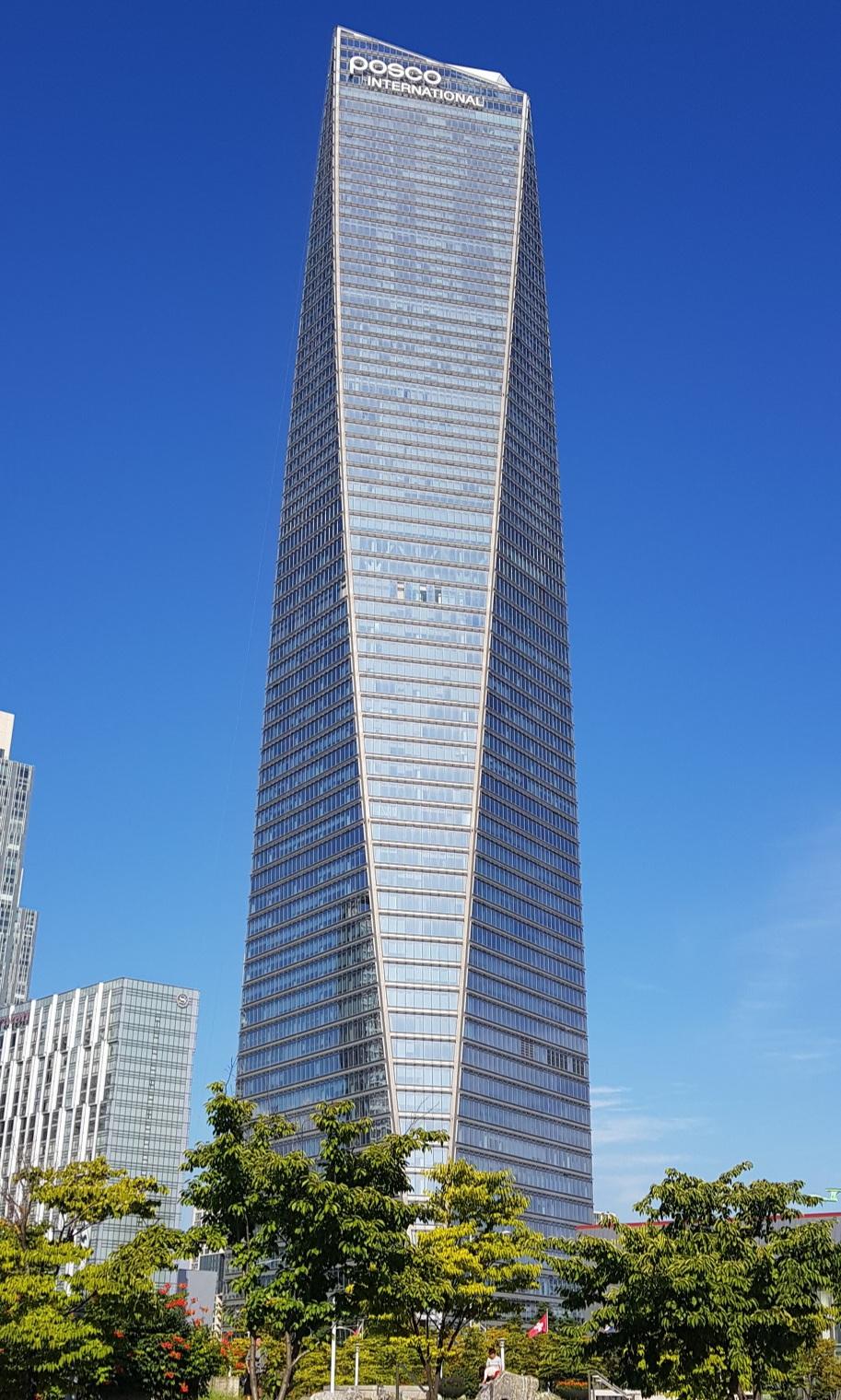
A Modest Check, A Strategic Bet
A $16 million fund cited in The Korea Times (opens in a new tab) piece won’t move markets. But it reveals intent. POSCO is investing in heavy rare earth separation and refining, starting with an $8M stake in a domestic processor claiming >99.5% oxide purity and 99.9% metal conversion.
That matters because heavy rare earths (Dy, Tb) are the real choke point in high-performance magnets—especially for EV motors operating at high temperatures.
Chasing the Real Bottleneck
Let’s separate signal from spin.
What’s grounded:
- Heavy rare earth supply is highly concentrated (China, Myanmar influence)
- Separation and refining—not mining—remain the core constraint
- Korea, like Japan, is actively diversifying supply chains
What’s aspirational:
- Claims of rapid scale (4,500 → 10,000 tons) depend on execution, feedstock, and permitting
- New refining capacity outside China historically faces cost and technical hurdles
The Southeast Asia Pivot
POSCO’s moves into Malaysia and Laos are not random—they follow the industry playbook: access ionic clay feedstock, process regionally, reduce dependence on China.
Planned output (~4,500 tons, scaling higher) is meaningful—but still modest relative to China’s dominance.
The U.S. angle—partnering with ReElement Technologies for a 3,000-ton refining plant—is more interesting. It signals alignment with Western industrial policy, not just Asian diversification.
Reading the Subtext
There is optimism embedded in the narrative: “full value chain” ambitions from mining to magnets. That’s the right goal—but historically the hardest path in the sector.
This is not vertical integration yet. It is a strategic positioning.
Bottom Line: Follow the Heavy Rare Earths
This story is not about $16M. It’s about where capital is flowing.
Heavy rare earths are emerging as the true battlefield of the magnet supply chain.
POSCO sees it. Japan saw it first. The U.S. is catching up.
China still controls the scale—but the perimeter is starting to move.


0 Comments
Discuss this article