
Highlights
- Japan's JOGMEC has selected Toyota Tsusho to acquire a stake in Namibia's Lofdal heavy rare earth project, targeting critical dysprosium and terbium supplies for EVs and wind turbines.
- The strategic partnership reflects Japan's pragmatic approach to diversifying away from China's dominance in heavy rare earth processing through upstream optionality and commercial alliances.
- With a pre-feasibility study completed and final feasibility underway, the Lofdal project signals an accelerating global race for heavy rare earth independence outside Chinese control.
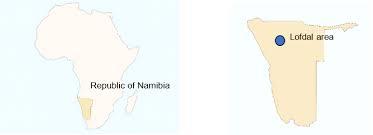
Japan is quietly tightening its grip on one of the most critical chokepoints in the global supply chain: heavy rare earth elements. According to a March 23 report circulated by the China Rare Earth Industry Association, Japan’s state-backed agency JOGMEC has selected Toyota Tsusho (opens in a new tab) (Toyotsu) as the preferred partner to acquire a portion of its option stake in the Lofdal heavy rare earth project in northwestern Namibia. (opens in a new tab)
Why This Matters: Dysprosium and Terbium in Focus
The Lofdal deposit contains high-value heavy rare earth elements such as dysprosium and terbium—essential inputs for permanent magnets used in electric vehicle motors and wind turbines. These elements are especially strategic because they enable magnets to perform under high temperatures, making them indispensable for defense systems, EV drivetrains, and industrial applications.
Translation for investors: this isn’t about mining—it’s about securing access to the most constrained part of the magnet supply chain.
Strategic Structure: Option Stakes, Not Full Ownership
JOGMEC previously secured a 40% option interest in the project in 2023. Now, through a competitive bidding process, Toyota Tsusho has been selected to take a portion of that position. While exact deal terms and valuation were not disclosed, the structure suggests a deliberate strategy:
- De-risk early-stage development through shared ownership
- Align with a commercial operator capable of scaling production
- Ensure future offtake flows into the Japanese industry
A JOGMEC official indicated that Toyota Tsusho’s involvement could accelerate the project toward commercialization and strengthen Japan’s long-term rare earth supply security.
The Bigger Picture: China Still Dominates
The project is being advanced by Canada-based Namibia Critical Metals alongside JOGMEC, with a pre-feasibility study completed in January 2026 and a final feasibility study underway. This move comes as the global supply of heavy rare earths remains overwhelmingly dependent on China, particularly for processing and separation. As EV and renewable energy demand accelerate, countries like Japan are racing to diversify supply chains.
For the U.S. and Western allies, this is another signal: strategic partnerships—not just domestic mining—are becoming the preferred path to supply security.
What’s New / Why This Is Newsworthy
- Japan is actively advancing upstream stakes in heavy rare earth assets abroad
- A major trading house (Toyota Tsusho) is stepping in to commercialize supply pathways
- The project is moving from exploration toward the investment decision stage
- Reinforces the global scramble for dysprosium and terbium outside China
Bottom Line
Japan is executing a pragmatic, state-backed strategy: secure upstream optionality, bring in commercial partners, and lock in future supply. For Western policymakers and investors, the message is clear—the race for heavy rare earth independence is accelerating, and alliances will matter more than ever.


0 Comments
No replies yet
Loading new replies...
Moderator
Join the full discussion at the Rare Earth Exchanges Forum →