
Highlights
- China is pivoting from volume-driven rare earth mining to full-stack technological control, emphasizing AI integration, advanced materials science, and data-driven production under its 15th Five-Year Plan.
- The Chinese Society of Rare Earths outlined 2026 priorities focused on processing innovation, high-end applications, and defense integration—signaling a shift from resource extraction to industrial and technological supremacy.
- For the West, China's advantage increasingly lies in processing, AI-driven materials ecosystems, and data control—capabilities far harder to replicate than alternative mining projects.
China is quietly redefining the next phase of its rare earth dominance—not by expanding output, but by tightening control over technology, data, and industrial coordination. At a March 20 plenary meeting in Beijing, the Chinese Society of Rare Earths outlined its 2026 priorities and approved its roadmap under the upcoming national “15th Five-Year Plan.” The gathering brought together senior leadership, including academicians from the Chinese Academy of Engineering, signaling high-level alignment between science, policy, and industrial strategy.
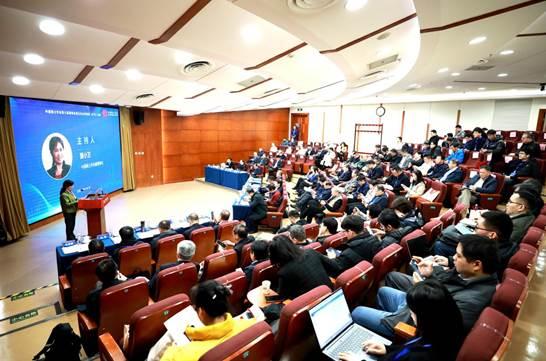
From Mining to Mastery: A Strategic Pivot
The most important takeaway: China explicitly framed its rare earth sector as entering a “critical transition window”—shifting from volume-driven growth to quality, efficiency, and technological control.
This is not subtle. The plan emphasizes:
- Advancing core technologies (processing, materials science)
- Driving high-end applications (magnets, advanced materials)
- Integrating AI and big data into materials R&D and production
- Strengthening organizational coordination and influence
Translation for Western audiences: China is moving upstream and downstream—toward full-stack dominance of the rare earth value chain.
Li Bo, Chairman
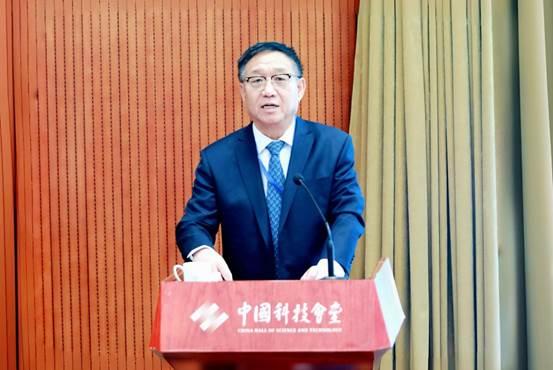
Data + AI + Materials: The New Battleground
A notable feature of the meeting was a dedicated report on integrating materials R&D data, production data, and artificial intelligence—a signal that China is investing heavily in digitizing and optimizing its rare earth ecosystem. This aligns with a broader trend: controlling not just supply, but how materials are designed, processed, and deployed across industries like EVs, defense, and clean energy.
For the U.S. and allies, this raises the stakes: the competition is no longer just about access to raw materials, but about technological systems and data advantage.
Institutional Expansion and Industrial Alignment
The Society also approved new institutional members, including entities tied to aerospace materials under Aero Engine Corporation of China—further linking rare earth development to defense and advanced manufacturing. Leadership emphasized “self-reliance in science and technology” and the need to convert China’s resource base into industrial and technological supremacy.
What’s New / Why This Matters
- China is formalizing a shift from mining scale to technological control
- Heavy emphasis on AI-driven materials innovation
- Increased integration with the defense and aerospace sectors
- Clear policy alignment under the next national five-year plan
REEx take: China is not standing still—this nation seeks to deepen its moat.
Implications for the West
For the U.S. and its allies, this is a strategic warning. Even if alternative mining projects emerge globally, China’s advantage may increasingly lie in processing, data, and advanced material science ecosystems—areas far harder to replicate.
Disclaimer: This report is based on information published by a Chinese state-affiliated organization. The content reflects official perspectives and should be independently verified before making investment or policy decisions.


0 Comments
No replies yet
Loading new replies...
Moderator
Join the full discussion at the Rare Earth Exchanges Forum →