
Highlights
- China has launched a formal 6–9 month investigation into alleged U.S. trade barriers against Chinese green products, framing it as a WTO violation while building legal groundwork for potential retaliation.
- This is strategic lawfare designed to reframe the narrative from “China distorts markets” to “U.S. blocks affordable green trade,” testing Western alliances and creating leverage for future negotiations.
- U.S. companies face increased geopolitical risk in clean tech supply chains; the appropriate response requires winning the narrative, building midstream processing capacity, and coordinating multinational alliances rather than reactive tariffs.
China’s Ministry of Commerce (opens in a new tab) has launched a formal investigation into what it calls U.S. “trade barriers” targeting green products. On the surface, this reads like a standard trade dispute. In reality, it is something more strategic: a legal, diplomatic, and economic positioning move designed to reshape the narrative of the global clean energy economy.
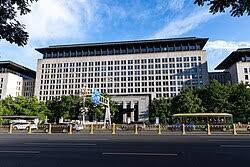
For a U.S. business audience, the takeaway is clear: this is not just about tariffs or exports—it is about who defines the rules of the next industrial era.
The Allegations—and the Timing That Matters
China alleges the U.S. has:
- Restricted imports of Chinese green products
- Slowed renewable energy deployment
- Limited clean-tech cooperation
These claims are framed as potential violations of WTO rules and bilateral agreements.
The timing is not accidental. This comes as the U.S. expands industrial policy tools—tariffs, subsidies, local content rules, and export controls—aimed at reshoring EVs, batteries, and critical mineral supply chains.
Translation: China is responding not just to policy, but to a systemic shift in U.S. economic strategy.
Process, Not Posturing—Lawfare in Motion
This is a formal trade barrier investigation under Chinese law:
- Launch: March 27, 2026
- Timeline: 6 months (extendable to 9)
- Tools: questionnaires, hearings, on-site investigations
This matters because it creates a legal record—a foundation for future countermeasures, WTO positioning, or negotiated concessions.
This is not noise. It is lawfare with optional escalation.
The Real Strategy: Reframing the Global Narrative
China is playing several moves at once:
- Building a legal case for retaliation or leverage
- Reframing the story: from “China distorts markets” to “the U.S. blocks affordable green trade.”
- Testing alliances, especially in Europe and the Global South
- Creating negotiating leverage ahead of future trade talks
The deeper objective: turn U.S. industrial policy into a diplomatic liability.
If successful, Washington risks being cast not as a defender of supply chain resilience, but as a barrier to global decarbonization.
Why This Matters: Supply Chains Are Now Political Terrain
For Western companies and investors:
- Clean tech trade is now explicitly geopolitical
- Risk of retaliation against U.S. firms in China increases
- Supply chains—especially in rare earths, batteries, and materials—face further fragmentation
This could accelerate decoupling, but not cleanly. Instead, expect overlapping, competing systems.
What Should the U.S. Do? Play the Full Board
A reactive tariff response is insufficient. The U.S. needs a three-layer strategy:
1. Win the narrative
Frame policy as resilience and risk management, not protectionism—highlight concentration risks, forced labor concerns, and overdependence on a single processing hub.
2. Build the missing middle
Move beyond mining. Invest in refining, metals, alloys, magnets, and chemical processing. Without midstream capacity, policy remains rhetoric.
3. Build alliances, not walls
Coordinate with Japan, Australia, the EU, Korea, and mineral-rich nations on standards, financing, and supply chains. China is targeting coalition weakness—so strengthen it.
No Immediate Action—But the Board Is Set
No tariffs or sanctions have been announced—yet. But the mechanism is now in motion. China is not just filing a complaint. It is:
- Setting the legal stage
- Shaping global perception
- Testing Western cohesion
This is not escalation—it is positioning before escalation.
Source Note: This item originates from China’s Ministry of Commerce and was distributed via state-linked channels. It reflects official government positioning and should be independently verified before informing investment, legal, or policy decisions.


0 Comments
No replies yet
Loading new replies...
Moderator
Join the full discussion at the Rare Earth Exchanges Forum →