
Highlights
- India is accelerating efforts to build a full-stack semiconductor and critical mineral ecosystem to reduce dependence on vulnerable global supply chains disrupted by geopolitical conflicts.
- The government's strategy includes rare earth corridors, recycling programs, and semiconductor plants, though policy announcements currently outpace industrial execution and meaningful midstream processing capacity.
- India's intent to become a major non-China supply chain node signals ambition, but success depends on building separation plants and sustained capital investment, not just policy promises.
Narendra Modi declared that global supply chains—especially for semiconductors, rare earths, and energy—are vulnerable to conflict, and emphasized India’s push to build a full-stack semiconductor ecosystem. The strategy includes rare earth sourcing, recycling, and industrial corridors, but remains early-stage and heavily policy-driven.
The Shock That Echoes Through Supply Chains
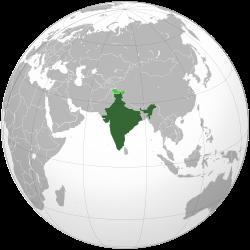
War does not just move borders—it breaks supply chains. In simple terms: India is accelerating efforts to build its own chip and critical mineral ecosystem after recognizing how fragile global supply chains have become. The government is investing in semiconductor plants, rare earth corridors, and recycling programs to reduce dependence on foreign sources.
This is an ambition on a national scale.
From Silicon Dreams to Rare Earth Realities
India’s vision is expansive: chips, AI, energy, and rare earths—all connected.
The logic holds. Rare earth magnets power electric vehicles and advanced electronics. Without secure access to these materials, semiconductor and industrial ambitions stall.
India’s “Rare Earth Corridor” and recycling push signal awareness of the full supply chain—not just manufacturing. That is progress.
India’s Head—Calling Supply Chain a Crisis
Where Vision Meets Friction
What’s grounded:
- Supply chains are increasingly shaped by geopolitics
- India is investing heavily in semiconductors and critical minerals
- Recycling and domestic sourcing are essential components
Where caution is warranted:
- India still lacks meaningful midstream rare earth processing capacity
- Policy announcements outpace industrial execution
- “Full-stack” ecosystems take decades, not election cycles
The Bigger Signal—India Enters the Arena
What’s notable is India’s intent to compete—not just participate.
If executed, India could become a major non-China node in global supply chains. If not, it risks becoming another market dependent on imported processed materials.
Investor Takeaway—Ambition Is Not Output
India is moving with speed and scale. That matters.
But rare earth supply chains are not built with speeches. They are built with separation plants, skilled labor, and sustained capital.
Watch what gets processed—not what gets promised.


0 Comments
No replies yet
Loading new replies...
Moderator
Join the full discussion at the Rare Earth Exchanges Forum →