
Highlights
- Kyrgyzstan allocates $11 million for rare earth extraction through 2024-2026, but the funding is modest compared to typical pilot facility costs of $100-200 million.
- The country lacks critical infrastructure, including hydrometallurgical refining capacity, export routes, and environmental frameworks needed for commercial rare earth production.
- While symbolic, the move signals Kyrgyzstan's intent to participate in the global critical minerals agenda and could gain relevance if credible partners emerge.
There are headlines, then hard realities. Rare Earth Exchanges (REEx) suggests the latter are where investors need to certainly understand. Take an AKIpress report (opens in a new tab) that Kyrgyzstan’s Ministry of Finance will allocate 1 billion soms (roughly USD 11 million) from the 2024–2026 national budget for a new National Project on the Extraction of Polymetals and Rare Earth Elements. On the surface, this sounds like a resource revolution for a mountainous Central Asian republic that once fed Soviet-era mining networks. But scratch the surface, and the announcement looks more like a signal than a transformation.
What We Can Confirm
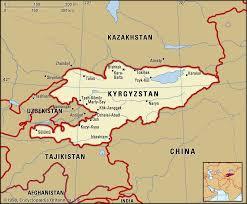
The Chamber of Accounts confirmed the budgetary allocation, and the figure matches publicly available fiscal summaries for Kyrgyzstan’s mid-term development plan. The country possesses known rare–earth–bearing carbonatites and polymetallic zones in the Issyk-Kul and Naryn regions, including prospects historically sampled for cerium, lanthanum, and yttrium.
Kyrgyzstan
However, the scale of the funding—about $11 million—is modest by global mining standards. For context, developing even a small pilot rare-earth separation facility typically requires ten to twenty times that sum. The AKIpress item provides no details on concession holders, technology partners, or expected output, making this more a budgetary gesture than a concrete industrial launch.
Where Optimism Becomes Opaque
The article implies momentum toward “national extraction,” yet there is no evidence of foreign investment or processing infrastructure. Kyrgyzstan currently lacks hydrometallurgical refining capacity, export routes for concentrates, and environmental frameworks that major offtakers demand. Without those, rare earth ambitions risk stalling at the exploration phase—a fate shared by several Central Asian peers.
The tone of the release reflects state-led optimism, typical of official regional media: aspirational, patriotic, but light on operational detail. It’s not misinformation—simply political signaling, meant to demonstrate alignment with the global critical-minerals agenda.
Why It Matters for the Global Chain
Even symbolic moves like this matter. As China tightens export controls and Western nations scramble to diversify, every new entrant—no matter how small—adds to the chessboard of supply alternatives. Kyrgyzstan’s location between Kazakhstan and western China gives it potential transit leverage for future Eurasian REE logistics. If Bishkek can attract credible partners or link into Kazakhstan’s refining initiatives, the project could evolve from a budget line item to a tangible contribution.
For now, though, this is seed money, not a sectoral pivot. Investors should read it as an early-stage signal of intent, not a near-term feedstock source.
REEx Verdict
- Factual Base: Solid (budget confirmed, context accurate)
- Speculative Layer: High (no disclosed partners, timelines, or reserves)
- Bias Type: State-development boosterism, not disinformation
Kyrgyzstan’s billion-som move is best understood as a symbolic declaration of relevance in the rare earth era—more about geopolitics than geology, and far from market-moving yet.
©!-- /wp:paragraph -->


0 Comments
Discuss this article