
Highlights
- New Frontier Minerals and Metallium Ltd. have signed a binding agreement to apply Flash Joule Heating (FJH) technology to heavy rare earth ore from Australia's Harts Range project.
- The technology promises upgrades in dysprosium and terbium oxide concentrations, which are critical for U.S. defense applications.
- While the technology shows academic promise for rapid metal liberation through high-temperature pulsed heating, there is no operating plant, independent pilot-scale data, or commercial production timeline currently existing.
- This developmental technology requires independent validation.
- The partnership reflects Australia's strategic push to become the West's alternative to China for heavy rare earths.
- Investors should approach with caution due to the pattern of early-stage REE companies announcing transformational processing breakthroughs before feasibility studies.
New Frontier Minerals (opens in a new tab) and Metallium Ltd. (opens in a new tab) have announced a binding agreement to apply Metallium’s Flash Joule Heating (opens in a new tab) (FJH) technology to heavy rare earth ore from the Harts Range project in Australia (opens in a new tab). The headline promise: significant upgrades in dysprosium and terbium oxide concentrations—the metals the U.S. defense sector covets most.
Table of Contents
For investors chasing the holy grail of heavy rare earths, this is the kind of announcement that lights up screens. But Rare Earth Exchanges (REEx) readers know the drill: breakthroughs in press releases aren’t always breakthroughs on the ground.
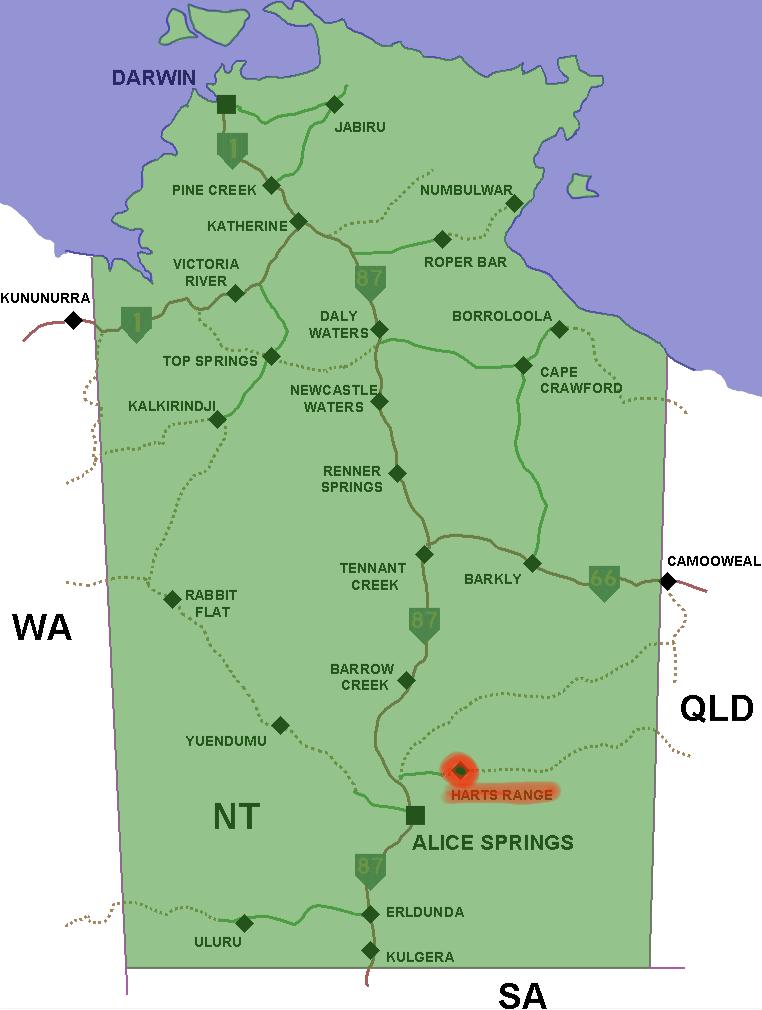
Harts Range
Sorting the Signal from the Static
What’s accurate? The Harts Range region is known to contain heavy rare earth mineralization, and Metallium’s FJH technology—first publicized in academic settings—does have published results showing rapid liberation of metals through high-temperature pulsed heating. The idea is credible, and the companies involved are real players in Australia’s emerging REE ecosystem.
What’s speculative?
The announcement leans heavily on future potential—“market position,” “shareholder value,” and “commercial opportunities.” These are aspirational, not factual. No operating plant exists. No independent pilot-scale data has been released. And no timeline for commercial-scale production has been provided. Investors should treat this as developmental technology until independently validated metallurgy and processing economics are published.
The Angle Behind the Angle
TipRanks’ auto-generated news desks (opens in a new tab) tend to surface corporate updates without deeper supply-chain context. What’s notable here is not merely a processing deal—but Australia’s push to become the West’s heavy-rare-earth alternative to China, paired with U.S. demand for non-Chinese Dy/Tb for defense-grade magnets. That is the real story hook.
Still, investors should note the pattern: companies with early-stage REE assets frequently announce “proprietary” or “transformational” processing pathways long before feasibility studies. This pattern doesn’t imply wrongdoing—just the need for cautious verification.
A Final Word for Savvy Readers
If Metallium’s FJH technology delivers meaningful Dy/Tb upgrades at scale, the West gains another arrow in its quiver. If not, this becomes another chapter in the long book of metallurgical optimism. For now, it is potential with promise, not proof.
© 2025 Rare Earth Exchanges™ – Accelerating Transparency, Accuracy, and Insight Across the Rare Earth & Critical Minerals Supply Chain.


0 Comments