
Highlights
- China Northern Rare Earth reset Q2 2026 concentrate prices to 38,804 yuan/ton using a standing formula with Baotou Steel Union, demonstrating China's structured pricing system rather than free-market discovery.
- China's rare earth advantage lies in its organizational structure—tightly linked upstream, midstream and downstream systems that translate oxide prices into concentrate economics with bureaucratic precision.
- The pricing update serves as a reminder that control in the rare earth sector often speaks through formulas, with feedstock economics shaping the entire supply chain from concentrate to metals, alloys, and magnets.
In the rare earth business, power does not always arrive with a ban, a tariff, or a diplomatic threat. Sometimes it arrives as an accounting notice.
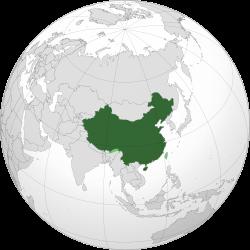
On Friday, China Northern Rare Earth Group High-Tech said it had reset the transaction price for rare earth concentrate for the second quarter of 2026 at 38,804 yuan per metric ton (approximately $5,390 USD), excluding tax, based on material with 50% rare earth oxide content. For every 1 percentage point change in grade, the price will rise or fall by 776.08 yuan per ton (about $108 USD).
The filing, dry on its face, reveals something more important than a number. It shows how China’s rare earth system works: not as a loose commodity market, but as a tightly structured industrial chain in which pricing is calculated, reviewed, and regularly reset through an established formula.
The company said the price was determined under a standing arrangement with Inner Mongolia Baotou Steel Union Co., its related-party supplier, using the existing concentrate pricing formula and rare earth oxide prices from the first quarter of 2026. The new price was reviewed and approved at the company’s sixth general manager’s office meeting of the year.
There is no breakthrough technology here. No triumphant claim of a new mine, magnet plant or export rule. But for Western readers, that is precisely the point.
China’s advantage in rare earths is not only geological, but also industrial. It is organizational. While the United States and Europe are still trying to rebuild fragmented supply chains, China continues to operate through linked upstream, midstream, and downstream systems that can translate oxide prices into concentrate economics with bureaucratic precision.
That matters because rare earth concentrate is not the finished product. Metals, alloys, and magnets are. But whoever helps set the economics of the feedstock helps shape the rest of the chain. So this was more than a routine corporate update. It was a reminder that in the rare-earth world, control often speaks the language of formulas.
Disclaimer: This item is based on a disclosure from a Chinese state-linked company operating within a state-influenced industrial system. While the information appears in an official filing, it should be independently verified where possible. Additionally, pricing in China’s rare earth sector is not purely market-driven and may reflect state intervention and the influence of the Chinese Communist Party, rather than transparent, free-market price discovery.


0 Comments
No replies yet
Loading new replies...
Moderator
Join the full discussion at the Rare Earth Exchanges Forum →