
Highlights
- Australia is expanding rare earth processing capacity, but critically lacks domestic magnet manufacturing—the true value center of the supply chain.
- Processing without integrated downstream demand creates a risky intermediary position, exposing refiners to volatile pricing and dependence on Asian buyers.
- Success requires shifting from a “refine and hope” model to one anchored in demand creation and industrial integration, not just resource processing.
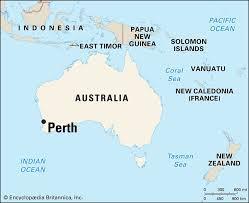
Australia’s latest push to expand rare earth processing—now extending even to institutions like the Perth Mint—reflects ambition, but also a persistent structural blind spot. As highlighted in recent reporting, policymakers are leaning heavily into downstream capability without fully confronting the core constraint: Australia still lacks a meaningful domestic magnet manufacturing base, the true locus of value in the rare earth supply chain.
Processing alone does not create a market. Without integrated demand from magnet production, alloys, and end-use manufacturing, refining risks becoming a capital-intensive intermediary step—exposed to volatile pricing and dependent on external buyers, often in Asia. The comparison to gold refining, while politically appealing, is misleading. Rare earths are not a commodity story; they are a systems story, where separation, metals, alloys, and magnets must move in lockstep.
To be clear, Australia’s resource position is enviable. But the current strategy risks over-indexing on processing capacity without securing downstream pull-through. In a market still dominated by China’s vertically integrated ecosystem, this creates the possibility of stranded or sub-scale assets.
The opportunity is real—but only if Australia shifts from a “refine and hope” model to one anchored in demand creation and industrial integration.


0 Comments
No replies yet
Loading new replies...
Moderator
Join the full discussion at the Rare Earth Exchanges Forum →