
Highlights
- Brazil now requires foreign companies to process rare earth minerals domestically rather than exporting raw materials, aiming to capture more value and build a local industry with its 10% of global critical mineral reserves.
- The policy shift echoes global resource nationalism trends, but Brazil faces a critical bottleneck: without a mature magnet manufacturing ecosystem, processing risks become an expensive middle step dependent on external buyers.
- Success depends on coordinated industrial buildout across the entire supply chain—from solvent extraction to metallization and magnet production—or Brazil risks remaining stuck in the middle of the value chain despite its resources.
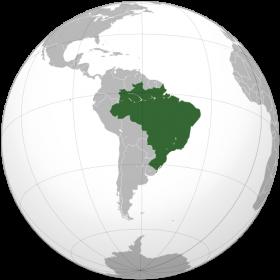
Brazil is signaling a strategic shift in the rare earth race. The government now requires foreign companies to process rare earth minerals inside the country rather than exporting raw materials. The goal is simple: capture more value, create jobs, and build domestic industry. With about 10% of global critical mineral reserves—and one operating mine at Serra Verde—Brazil is positioning itself as a more assertive player between the United States and China.
Industrial Policy Awakens—At Last
This is not surprising. For years, countries like Brazil exported raw materials while others captured the high-value steps: separation, metals, alloys, and magnets. Now Brasília is attempting to reverse that model. The policy echoes broader global trends—resource nationalism, supply chain security, and industrial policy alignment.
But ambition alone does not build an industry.
Where the Story Holds—and Where It Stretches
Brazil is right to demand domestic processing. Value is created downstream, not at the mine. However, media coverage (opens in a new tab) by the South China Morning Post glosses over the real bottleneck: processing is not enough. Like Australia, Brazil lacks a mature magnet manufacturing ecosystem—the true engine of demand.
Without magnets, processing risks becoming an expensive middle step, dependent on external buyers.
The Missing Middle StillMissing
What’s absent from the narrative is scale and sequencing. Solvent extraction capacity, metallization, and magnet production must develop together. China dominates not because of resources, but because it built the entire chain.
Brazil’s openness to all partners is pragmatic. But without a coordinated industrial buildout, this policy risks attracting capital without delivering a fully integrated supply chain.
Why This Matters Now
This is a pivotal moment. Brazil is moving beyond “dig and ship” toward “mine and make.” That is strategically correct. But execution will determine whether Brazil becomes a true rare earth power—or another resource-rich nation stuck in the middle of the value chain.


0 Comments
No replies yet
Loading new replies...
Moderator
Join the full discussion at the Rare Earth Exchanges Forum →