
Highlights
- Brazil's Rede Sustentabilidade petitioned the Supreme Court to halt Serra Verde Group's sale to USA Rare Earth Inc., citing national security concerns over foreign control of strategic rare earth deposits.
- The case exemplifies accelerating resource nationalism as governments worldwide increasingly treat critical mineral assets as geopolitical infrastructure rather than simple commodities.
- While blocking foreign deals preserves mineral sovereignty, Brazil still lacks commercial-scale separation and refining capacity—revealing that mine ownership alone doesn't guarantee supply chain control.
A Brazilian political party has petitioned the Supreme Court to halt the proposed sale of Serra Verde Group—an emerging rare earth producer—to USA Rare Earth Inc., citing national security and constitutional concerns over foreign control of strategic minerals. The move reflects a broader global shift: rare earth assets are no longer treated as simple commodities but as critical infrastructure. For investors, the message is clear—resource nationalism is accelerating, and deal risk is rising. A notion that fits into the Rare Earth Exchanges Great Powers Era 2.0 thesis.
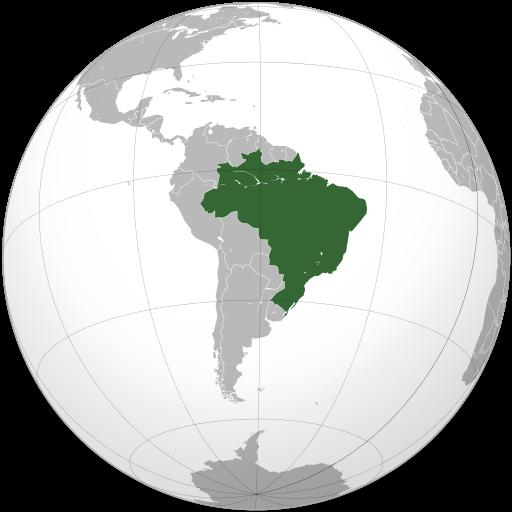
A Deal That Triggered Alarm Bells
According to Bloomberg (opens in a new tab), Brazil’s Rede Sustentabilidade (opens in a new tab) argues the transaction could transfer effective control of strategic mineral resources without sufficient legal safeguards. The Serra Verde project in Goiás is one of the few ionic adsorption clay rare earth deposits outside China—a deposit type closely associated with heavy rare earth supply.
While broader reporting from outlets like Reuters and the Financial Times confirms rising scrutiny of foreign investment in critical minerals globally, specifics around this deal remain limited and evolving.
Why Serra Verde Matters—But With Nuance
This is not just another mining transaction—but it’s also often overstated.
Serra Verde represents:
- A rare ex-China ionic clay system (strategically important)
- A potential future source of magnet feedstock
- A development-stage asset, not yet a dominant global supplier
While ionic clays can host heavy rare earths, Serra Verde is not currently a major heavy rare earth producer at scale. Its significance is strategic—but still emerging. Yes, it has technically been in production, but a number of complications on the ground have, according to anonymous sources, led to delays in the mining operation.
The New Resource Nationalism
Brazil’s move fits a clear pattern:
- Canada is tightening its foreign investment review
- Australia screening strategic assets
- The U.S. is restricting technology and supply chain exposure
Critical minerals are no longer just mined—they are geopolitically managed.
What’s Real—and What’s Missing
What holds:
- Governments are asserting sovereignty over mineral assets
- Rare earths are increasingly viewed through a national security lens
What’s missing:
- Brazil still lacks commercial-scale separation and refining capacity
- Mine ownership ≠ supply chain control
Final Word
Blocking the deal may preserve sovereignty—but it does not build capability.
In rare earths, owning the deposit is only the opening move. Control of processing defines the endgame.


1 Comment
1 reply
Loading new replies...
New member
Join the full discussion at the Rare Earth Exchanges Forum →