
Highlights
- Congo exported 3.4M tons of copper and 220K tons of cobalt in 2025, yet internal findings reveal up to $16.8 billion in underreported revenues due to weak oversight and opaque joint ventures.
- President Tshisekedi’s directive to interconnect customs, ports, and banking systems aims to build supply chain visibility—Congo’s first step toward evolving from supplier to gatekeeper.
- If Congo succeeds in controlling its battery metal exports, it could inject volatility into global EV supply chains currently dominated by Chinese refining and Western offtake agreements.
The world’s most important battery metals supplier just admitted something extraordinary: it may be losing billions while the rest of the world gets rich. Congo is producing record copper and cobalt—but not capturing the value—and now it’s moving to fix that. The question is whether this is reform, or the opening move in a much larger power shift.
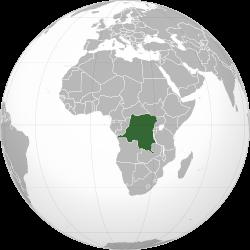
More Metal, Less Control
Congo’s output tells one story. Its balance sheet tells another suggests Reuters (opens in a new tab).
The country exported roughly 3.4 million tons of copper and ~220,000 tons of cobalt in 2025, reinforcing its dominance in EV and energy transition supply chains. Yet internal findings suggest up to $16.8 billion in underreported revenues tied to weak oversight, opaque joint ventures, and capital flight. Midway through the narrative, the reporting is clear: the government believes systemic leakage—not market dynamics—is the problem.
That is not a production issue. It is a control failure.
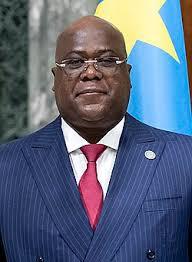
President Félix Antoine Tshisekedi Tshilombo
From Chaos to Control: The Real Agenda
The directive to interconnect customs, ports, and banking systems into a single traceablechain is not bureaucratic housekeeping. It is a bid to build supplychain visibility—the one capability Congo has historically lacked.
This matters because:
- China dominates ~90% of refining
- Western firms rely on offtake, not ownership
- Value accrues midstream, not at the mine
Fixing revenue leakage does not fix that imbalance—but it is the first step toward changing it.
What the Coverage Misses
The reporting frames this as governancereform. That undersells it.
What’s omitted:
- Control of processing and magnet manufacturing still defines leverage
- Illegal mining is a symptom, not the system
- Joint ventures are often structured to externalize value by design
This is not just corruption. It is structural asymmetry.
Investor Take: Watch the Gate, Not the Mine
If Congo succeeds, it could evolve from supplier to gatekeeper—tightening exports, renegotiating deals, and injecting volatility into global supply chains. If it fails, the status quo holds: high output, low control. Either way, the signal is clear as Rare Earth Exchanges™ continues to report. In the Great Powers Era 2.0, who tracks the chain controls the chain.


0 Comments