
Highlights
- Northern Zhongxin Antai (ZXAT), backed by China Northern Rare Earth, successfully produced its first batch of gadolinium-iron (GdFe) alloy from a newly constructed production line in Baotou, Inner Mongolia.
- The new line targets high-end rare earth materials with improved purity, process standardization, production efficiency, and green low-carbon manufacturing standards aligned with Chinese industrial policy.
- Gadolinium-based alloys serve specialized applications including magnetic materials, medical imaging, nuclear systems, industrial sensors, thermal management, and certain defense-related technologies.
- China continues expanding downstream refining, metallization, and alloying capacity while Western nations remain focused on upstream mining permitting and subsidy debates.
- REEx analysts warn that strategic chokepoints now reside in factories and metallurgical processes, urging the West to build coordinated workforce, engineering, and downstream manufacturing ecosystems.
China continues moving further downstream in the rare earth supply chain. Northern Zhongxin Antai announced that the first batch of products has successfully rolled off its newly constructed gadolinium-iron (GdFe) alloy production line, marking another incremental—but strategically important—step in Beijing’s long-term effort to strengthen domestic supply of advanced rare earth materials and deepen control over high-value industrial processing.
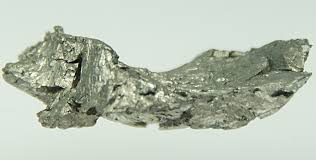
At first glance, the announcement appears technical and modest. In reality, it reflects a broader industrial pattern unfolding across China’s rare earth ecosystem: steady expansion into downstream metallization, alloying, engineered materials, and advanced manufacturing inputs—the industrial layers where much of the actual strategic leverage increasingly resides.
Beyond Mining: China Keeps Moving Downstream
According to the company, the new production line was designed to meet rising demand for high-end rare earth materials while improving process standardization, product purity, production efficiency, performance consistency, and energy utilization.
The company also emphasized “green and low-carbon” production standards alongside upgraded environmental systems, language now deeply embedded throughout Chinese industrial policy as Beijing attempts to modernize strategic heavy industry without sacrificing industrial scale or export competitiveness. Importantly, this is not another mining announcement.
This is alloy manufacturing. That distinction matters because Western discussions around rare earths still remain overly focused on ore bodies and mining projects while often underestimating the complexity of downstream conversion processes. Alloying sits deep inside the industrial stack, between separated rare earth oxides and finished high-performance products such as magnets, sensors, electronics, defense systems, and advanced manufacturing components.
Why Gadolinium-Iron Matters
Gadolinium-based alloys support a range of specialized applications including magnetic materials, electronics, thermal management systems, industrial sensors, medical imaging technologies, nuclear applications, and certain defense-related systems.
While neodymium, praseodymium, dysprosium, and terbium dominate most public discussion around permanent magnets, China continues quietly broadening capacity across the wider rare earth alloy ecosystem. That matters strategically because industrial dominance does not come solely from controlling raw materials. It comes from controlling the engineered intermediate products embedded throughout advanced manufacturing supply chains.
Implications for the West: The Great Powers Era 2.0
The broader implication is difficult to ignore. China is not standing still while the West debates mine permitting timelines, environmental reviews, and subsidy frameworks. Beijing continues methodically expanding the industrial middle and downstream layers of the supply chain—refining, metallization, alloying, process engineering, magnet manufacturing, advanced materials integration, and industrial workforce development.
This aligns directly with the broader REEx “Great Powers Era 2.0” thesis: modern geopolitical competition increasingly revolves around industrial ecosystems rather than isolated commodities. The real chokepoints are no longer merely in the ground.
They sit inside the factories, metallurgical processes, engineered materials, and manufacturing systems that convert rare earths into industrial power.
For the United States and its allies, the response cannot simply become a chaotic subsidy race or politically driven industrial theater. Effective industrial policy must be targeted, disciplined, and grounded in realistic industrial vocational certainty—focused on building economically viable ecosystems. Workforce development, metallurgical education, vocational training, engineering pipelines, apprenticeship systems, permitting reform, patient capital structures, and coordinated downstream manufacturing strategies must all emerge together. Mines without refiners, refiners without metallurgists, and magnet plants without qualified technicians will not create strategic resilience. China increasingly appears to understand this systems-level reality. The West is only beginning to rediscover it.
Profile
Northern Zhongxin Antai (also operating as ZXAT) is a prominent Chinese manufacturer of rare earth metals and alloys. Backed by industry giant China Northern Rare Earth (CNRE), the company operates out of Baotou, Inner Mongolia, focusing on high-volume production, technological innovation, and downstream applications for green energy and electric vehicles.
Disclaimer: This news item originates from Chinese state-linked industrial media and corporate sources associated with Northern Rare Earth and affiliated enterprises. The information should be independently verified before being relied upon for investment, policy, or commercial decisions.


0 Comments
No replies yet
Loading new replies...
Moderator
Join the full discussion at the Rare Earth Exchanges Forum →