
Highlights
- Kasiya's monazite contains dysprosium, terbium, and yttrium ratios reportedly seven times higher than the world's five largest rare earth producers.
- Rio Tinto holds a 19.9% strategic stake, and a prefeasibility study projects a pre-tax NPV of US$2.3 billion with 64% EBITDA margins.
- Monazite's radioactive thorium and uranium content creates unresolved permitting, transport, and processing complications.
- Finding heavy rare earths is not the same as refining them—China still dominates the solvent extraction systems needed to produce usable oxides at scale.
- The rare earth supply chain battle has shifted from discovery to who can actually separate and commercialize these critical materials outside China.
Sovereign Metals (opens in a new tab) (ASX.SVM) has reported unusually high concentrations of heavy rare earths—including dysprosium, terbium, and yttrium—inside monazite recovered from early-stage mining pits at its massive Kasiya project in Malawi. The company believes these materials could become a valuable third revenue stream alongside rutile and graphite production. The news matters because heavy rare earths remain one of the West’s greatest supply-chain vulnerabilities. But despite the excitement, investors should recognize that metallurgy, radioactive handling, downstream separation, and actual commercial realization remain unresolved.
A Giant Hiding Inside the Sands
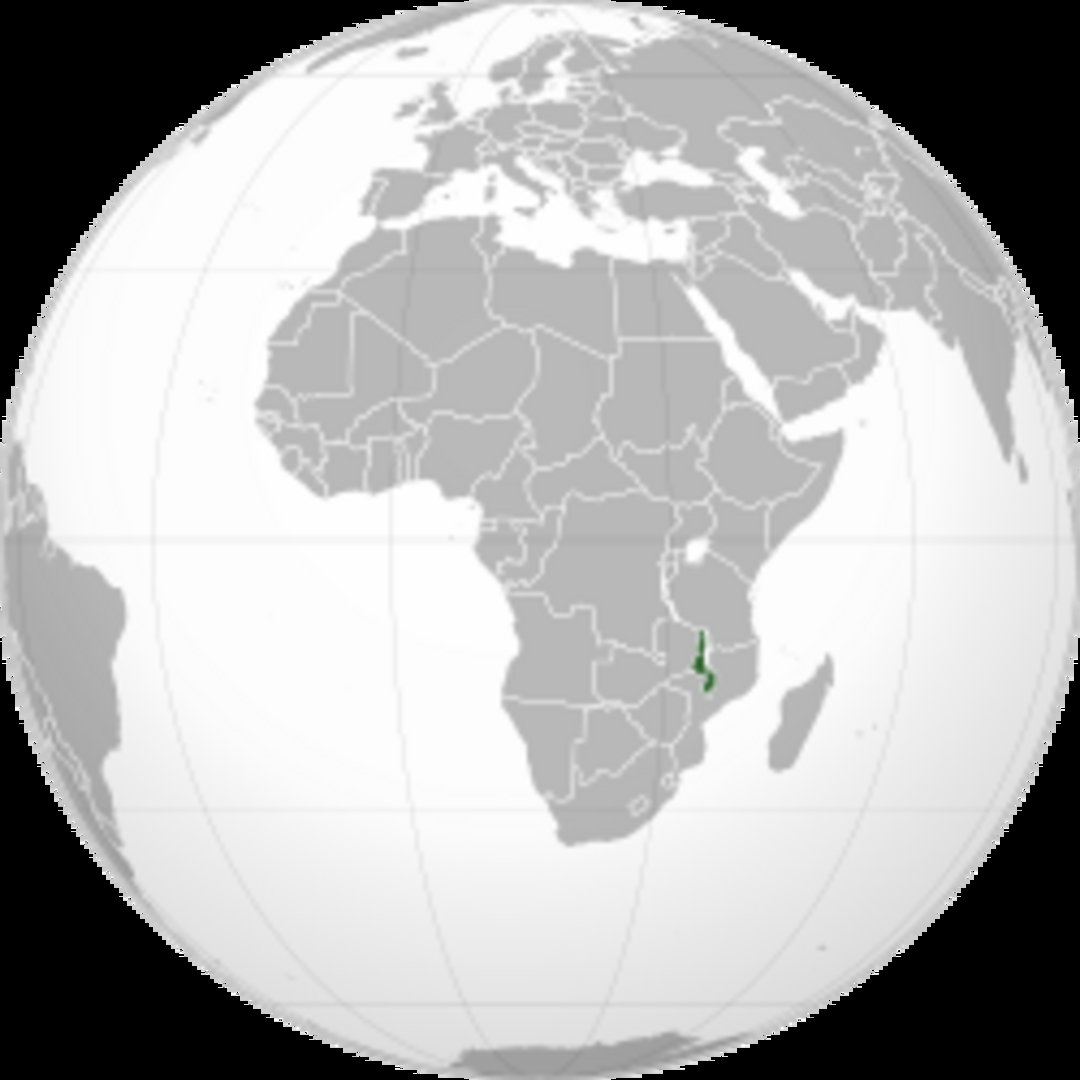
Kasiya is not a conventional rare earth project. It is primarily a rutile and graphite deposit—and by scale, an extraordinary one. Sovereign’s corporate presentation describes Kasiya as the world’s largest known rutile resource and the second-largest known flake graphite resource globally, spread across roughly 201 square kilometers in Malawi.
The company also has serious strategic backing. Rio Tinto (opens in a new tab) owns 19.9% following a A$60 million strategic investment, while pilot mining and processing trials have already been completed with Rio technical oversight. The optimized prefeasibility study outlined a pre-tax NPV of US$2.3 billion, EBITDA margins of 64%, and unusually low projected graphite costs.
Now comes the potential twist: heavy rare earths.
The Heavy Rare Earth Prize
The market often talks about “rare earths” broadly. That misses the point.
The real geopolitical bottleneck sits in heavy rare earths like dysprosium and terbium—the elements essential for high-temperature permanent magnets used in missiles, drones, robotics, EV drivetrains, and advanced defense systems. Sovereign claims Kasiya’s monazite contains DyTb and yttrium ratios roughly seven times higher than the world’s five largest rare earth producers. If validated commercially, that is significant. Even more attractive: the monazite reportedly comes from existing tailings streams, potentially requiring little additional mining or front-end processing.
The Glitter — and the Radioactivity
But investors should slow down before assigning fantasy valuations.
Sovereign openly acknowledges unresolved uranium and thorium handling issues. Monazite’s radioactive profile has historically complicated permitting, transportation, and downstream processing globally.
More importantly, finding heavy rare earths is not the same as separating them commercially. China still dominates the solvent extraction and downstream refining systems required to produce usable dysprosium and terbium oxides at scale.
REEx Take
What appears accurate: Kasiya genuinely looks unusual in scale, mineralogy, and by-product economics.
What remains speculative: the economics of extraction have yet to be proven, as have downstream processing economics, ex-China separation pathways, premium pricing assumptions, and commercialization timelines. The rare earth war is no longer about discovering deposits.
It is about who can actually refine them.


0 Comments
No replies yet
Loading new replies...
Moderator
Join the full discussion at the Rare Earth Exchanges Forum →