
Highlights
- South Korea's state-funded KIGAM is preparing to resume research into North Korea's mineral deposits, including rare earths, graphite, magnesite, copper, and iron ore.
- North Korea may hold one of Asia's largest undeveloped critical mineral provinces, with a disputed 2013–2014 study citing 216 million tonnes of rare earth oxides near Jongju.
- Political barriers remain steep as Pyongyang has severed inter-Korean cooperation channels and Russia and China deepen influence over North Korea's resource sector.
- Reserve estimates for North Korean rare earths are highly uncertain and have never been independently verified under modern standards like NI 43-101 or JORC.
- South Korea's push reflects its broader strategy to reduce critical mineral import dependence as global competition for these resources intensifies.
South Korea is quietly reviving efforts to assess North Korea's vast mineral wealth, including rare earth elements, graphite, magnesite, copper, and iron ore. While political realities make near-term cooperation unlikely, the move signals that Seoul is thinking beyond today's geopolitical freeze. For investors, the story is less about immediate mining projects and more about a long-term strategic reality: one of the world's least explored critical mineral provinces sits directly across the DMZ.
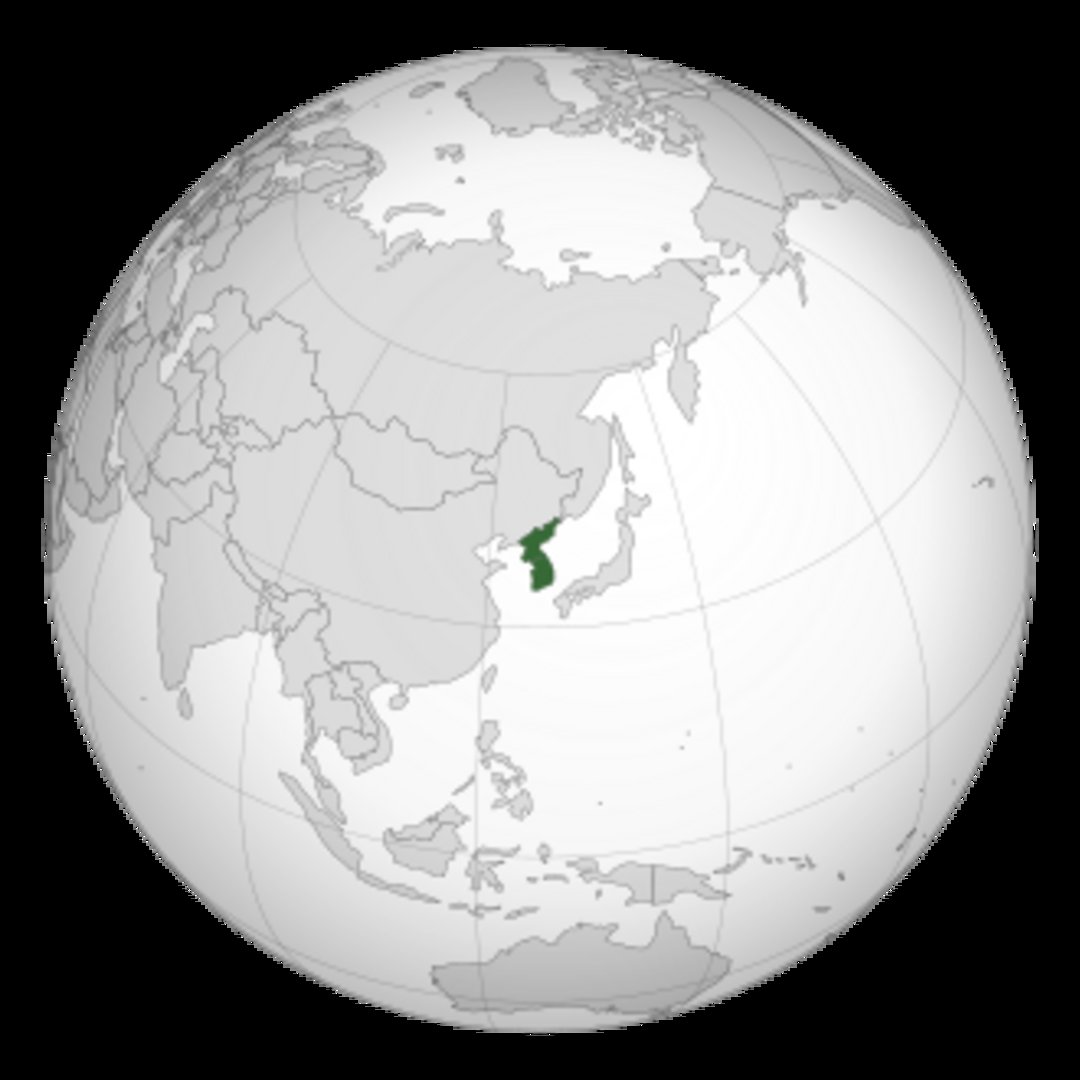
The Resource Frontier That Never Disappeared
Buried beneath decades of sanctions, military tension, and political stalemate lies a fact that has never changed: North Korea may possess some of the most significant undeveloped mineral resources in Asia. According to privately-held NK News (opens in a new tab), South Korea's state-funded Korea Institute of Geoscience and Mineral Resources (opens in a new tab) (KIGAM) is preparing to resume research into North Korea's mineral deposits, including rare earth elements, iron ore, magnesite, graphite, and copper. The effort would update resource assessments that have largely remained frozen since inter-Korean relations deteriorated.
This is not a new interest. KIGAM maintains a dedicated North Korea mineral strategy program and continues to develop databases evaluating North Korean mineral potential. The institute also openly references research programs focused on rare earth processing technologies tied to North Korean ore bodies.
Critical Minerals Drive Strategic Thinking
The timing is hardly accidental. South Korea remains heavily dependent on imported critical minerals and has been aggressively expanding overseas resource partnerships from Brazil to Africa while strengthening its broader critical minerals strategy.
Academic assessments continue to identify North Korea as possessing potentially enormous deposits of rare earth elements and other critical minerals, although reserve estimates remain highly uncertain due to limited modern exploration and verification.
The Political Wall Remains
The challenge is obvious. Pyongyang has largely severed inter-Korean cooperation channels, while Russia and China maintain growing influence over North Korea's resource sector. Even if South Korean geologists update resource models, translating those findings into actual mining projects would require political conditions that currently do not exist.
Still, the strategic logic is compelling. As global competition for critical minerals intensifies, Seoul appears unwilling to ignore what may be one of the world's largest undeveloped resource opportunities sitting less than 40 miles from its capital. For now, the minerals remain underground. But South Korea is clearly making sure it understands what is there when history eventually changes.
The Mysterious North
North Korea sits on one of the most geologically prospective but least verified mineral terrains in Asia. The country is underlain by ancient Precambrian cratonic rocks, metamorphic belts, granites, and mineralized zones that are geologically similar to portions of northeastern China and the Korean Peninsula. According to the U.S. Geological Survey (USGS), North Korea hosts significant deposits of iron ore, copper, gold, lead, zinc, tungsten, molybdenum, graphite, magnesite, and rare earth elements. The USGS Minerals Yearbook specifically notes the presence of rare earth resources and identifies high-quality rare earth deposits in Cholsan County (opens in a new tab) in North Pyongan Province. Other studies highlight major concentrations of graphite, tungsten, and magnesite, with North Korea possessing what may be among the world's largest magnesite reserves.
Evidence for rare earth mineralization exists, but reserve estimates remain highly controversial. A widely cited 2013–2014 geological study associated with the Jongju region claimed a potential resource of approximately 216 million tonnes of rare earth oxides, a figure that, if verified, would rank among the largest known rare earth deposits globally. However, these estimates have never been independently validated under modern international reporting standards such as NI 43-101 or JORC.
What is well established is that North Korea contains numerous mineralized districts and hundreds of active or historical mines, and both South Korean institutions and Chinese companies have spent decades evaluating the country's mineral potential. While the exact size and economics of its rare earth deposits remain uncertain, there is little doubt among geologists that North Korea possesses substantial critical mineral resources that could become strategically significant if political conditions ever permit large-scale development.
Editor’s Note: Initial reporting originated with NK News. Information regarding North Korean mineral resources remains difficult to independently verify due to limited access, sanctions restrictions, and the absence of modern internationally audited resource estimates.


0 Comments
No replies yet
Loading new replies...
Moderator
Join the full discussion at the Rare Earth Exchanges Forum →