
Highlights
- Kachin State's Panwa–Chipwe belt holds ~300 mining sites producing dysprosium and terbium worth an estimated $1.4 billion annually, mostly destined for China
- Production of heavy rare earth oxides nearly doubled from 19,500 tonnes in 2021 to 42,000 tonnes in 2023 as the KIA seized control of key mining hubs in late 2024
- Widespread chemical leaching has contaminated rivers with arsenic and heavy metals, causing fish kills, livestock deaths, and serious public health impacts on local communities
- Rare Earth Exchanges calls for political reconciliation, transparent resource governance, enforceable environmental standards, and equitable benefit-sharing for ethnic communities
- Without meaningful reform, one of the world's most critical mineral districts will remain a strategic asset trapped inside a humanitarian and environmental crisis
Northern Myanmar's Kachin region has become far more than a mining district. It is now one of the world's most strategically important heavy rare earth provinces, supplying dysprosium and terbium that ultimately find their way into electric vehicles, wind turbines, robotics, advanced electronics, and military systems. The Myanmar rebel group holdings are ranked number one in the Rare Earth Exchanges™ REEx Insights heavy rare earth element rankings (upstream). Yet beneath the global energy transition lies a darker reality: civil war, environmental destruction, illicit extraction, and geopolitical competition.
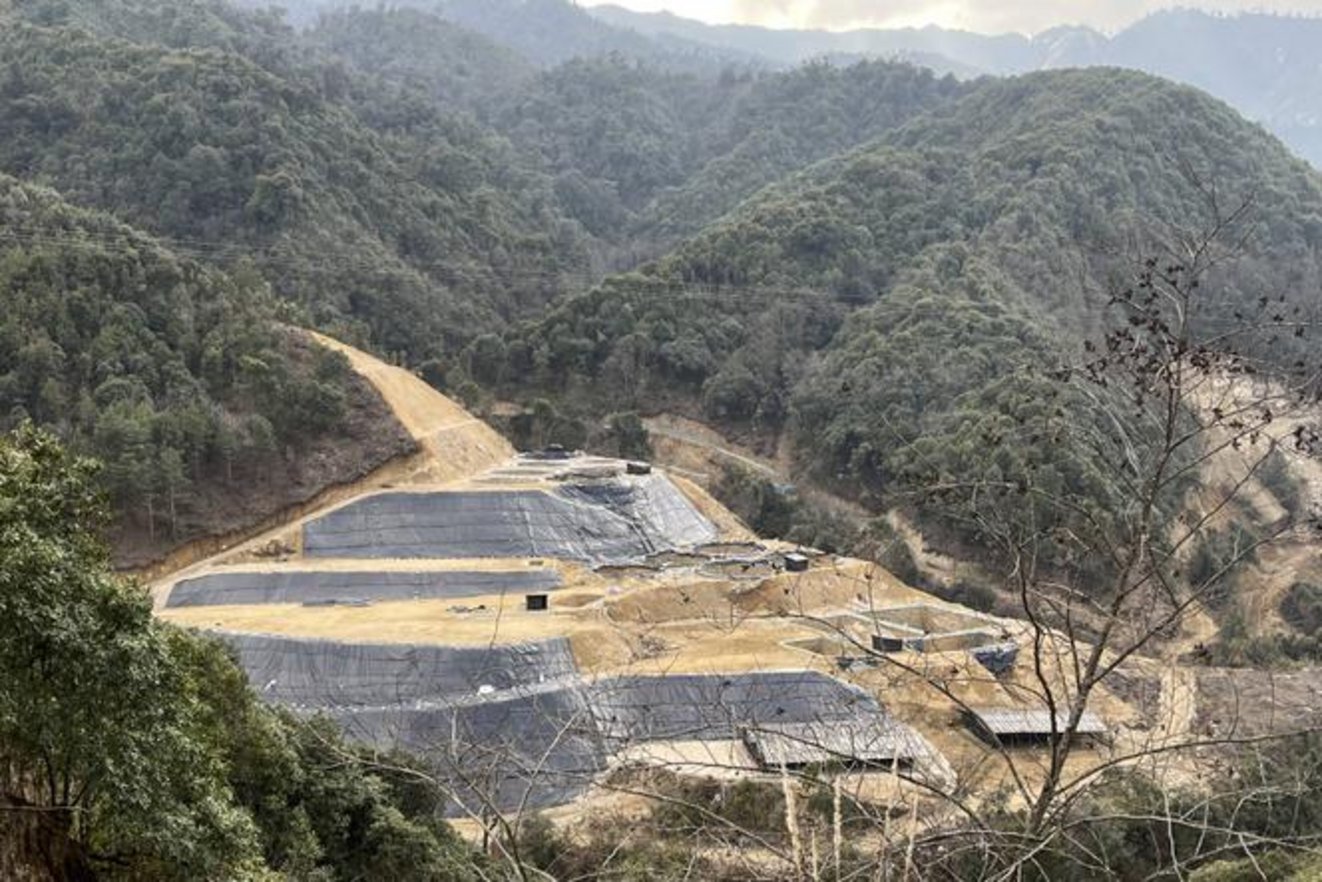
Source: Global Witness
Myanmar's Kachin State has evolved into arguably the most important heavy rare earth mining district outside China, supplying roughly 40%–50% of global heavy rare earth production, particularly dysprosium and terbium used in high-performance magnets for EVs, wind turbines, robotics, and defense systems. The Panwa–Chipwe mining belt along the Chinese border contains an estimated 300 mining sites and approximately 2,700 leaching basins, spread across an area roughly the size of Singapore. Production reportedly surged from about 19,500 tonnes of heavy rare earth oxides in 2021 to nearly 42,000 tonnes in 2023, generating an estimated $1.4 billion annual trade largely destined for China. Chinese operators, technicians, chemicals, and buyers have historically dominated the sector, which expanded after Beijing restricted environmentally damaging ionic-clay mining within China. The environmental toll is severe: mountainsides have been stripped and perforated with chemical leaching ponds, rivers contaminated with arsenic and other heavy metals, farmland degraded, and reports of fish kills, livestock deaths, and human health impacts have become widespread. Since the Kachin Independence Army (KIA) seized control of the region's main mining hubs in late 2024, the mines have become a central strategic asset in Myanmar's civil war, illustrating how one of the world's most critical mineral supply chains now sits at the intersection of environmental devastation, geopolitical competition, and armed conflict.
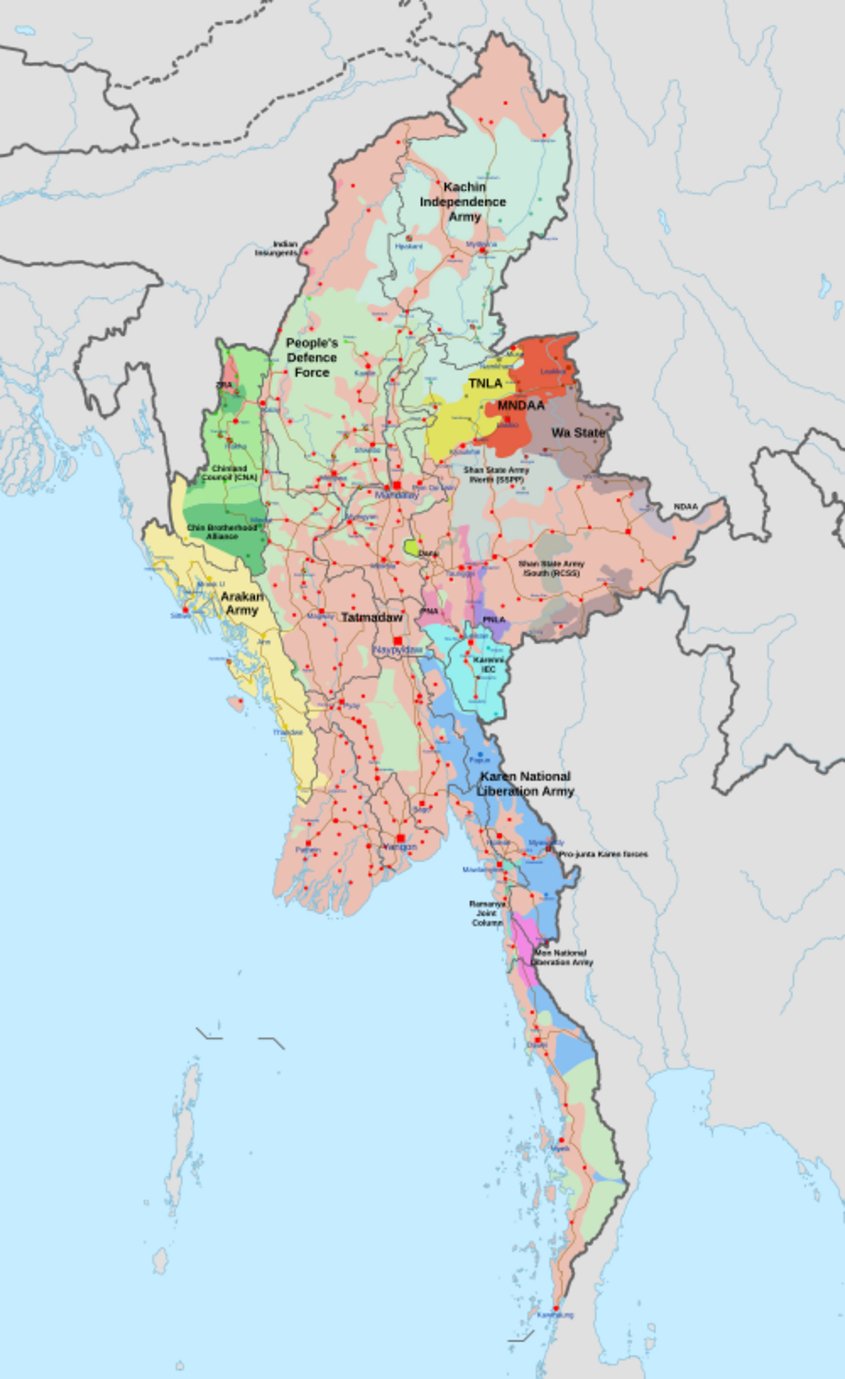
Control of the Panwa-Chipwe belt has shifted from junta-aligned forces to the Kachin Independence Army (KIA), but the underlying economic dependency remains largely unchanged. Chinese buyers, processors, and supply chains continue to dominate the destination market for Myanmar's heavy rare earth production, while local communities bear the environmental and human costs. Reports from Global Witness, Reuters, the Associated Press, and local sources directly to Rare Earth Exchanges have described widespread chemical leaching, damaged watersheds, contaminated rivers, and growing public health concerns.
Rare Earth Exchanges believes the emerging Great Powers Era 2.0 demands a different approach. Myanmar's heavy rare earth deposits should not remain instruments of war, corruption, or ecological devastation. Any durable solution will require political reconciliation, meaningful self-determination for ethnic communities, religious tolerance, transparent resource governance, enforceable environmental standards, and independent monitoring of mining activity. International institutions, ASEAN governments, development agencies, and responsible industry participants all have roles to play.
The objective should not merely be securing dysprosium and terbium for global supply chains. It should be building a framework in which local populations share in the economic benefits, environmental damage is remediated, and critical mineral development occurs under the rule of law. Otherwise, one of the world's most important rare earth districts will remain what it is today: a strategic asset trapped inside a humanitarian and environmental tragedy.


0 Comments
No replies yet
Loading new replies...
Moderator
Join the full discussion at the Rare Earth Exchanges Forum →