
Highlights
- China spent decades building industrial dominance in rare earths, critical minerals, batteries, and advanced materials while the West optimized for efficiency over resilience.
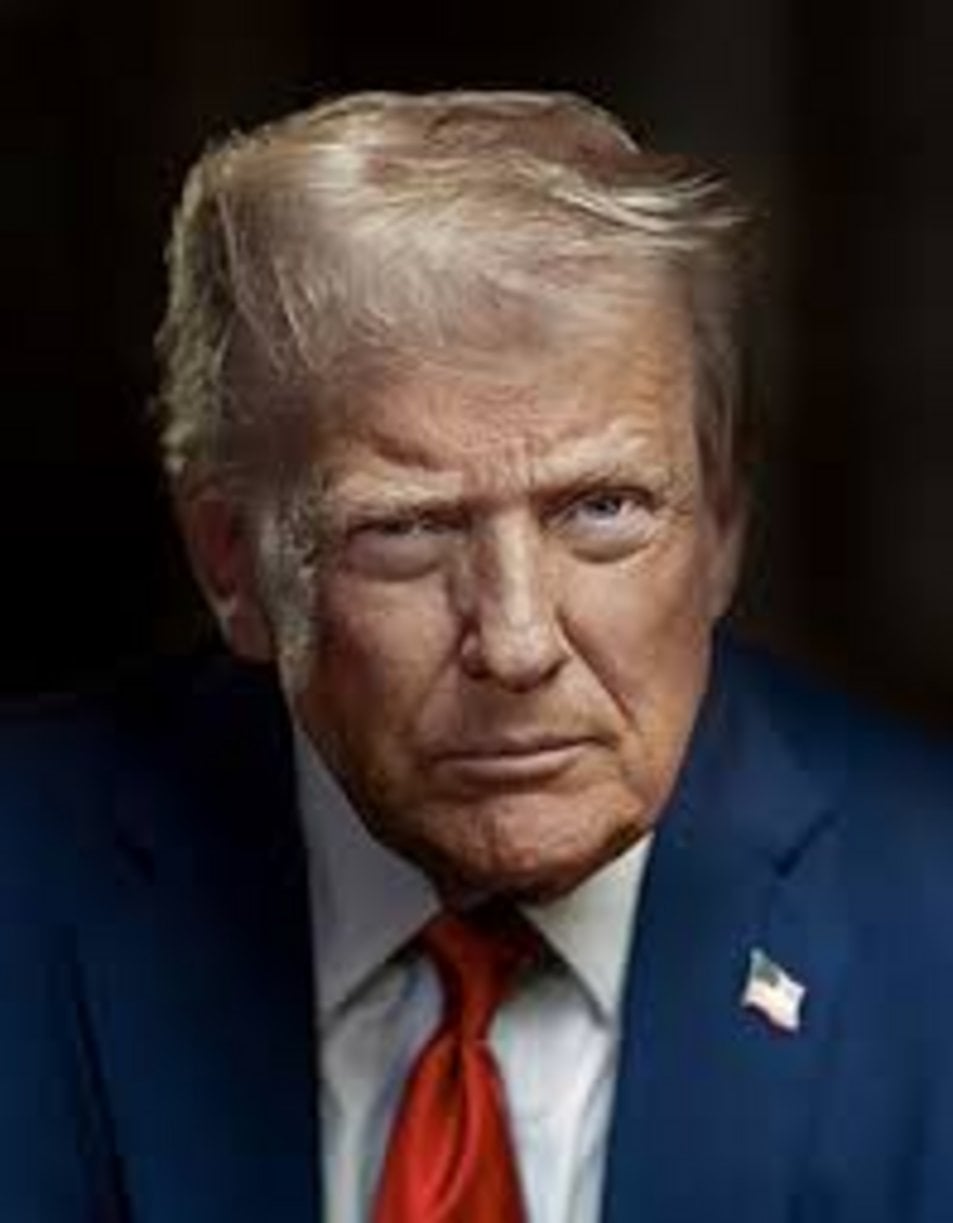
- Trump did not create Great Powers Era 2.0, but he may be the first U.S. president to act as though the old globalization-era assumptions were already obsolete.
- The transition from globalization to strategic resilience is structurally inflationary as nations across Africa, Latin America, and Asia demand refining and manufacturing capacity.
- Countries once content to export raw materials increasingly seek industrial sovereignty, opening a global race that disrupts China's concentrated chokehold on critical supply chains.
- Rare Earth Exchanges believes the winners of Great Powers Era 2.0 will be blocs, alliances, and companies controlling chokepoints between resources, processing, energy, and technology.
Rare Earth Exchanges™ coined the term Great Powers Era 2.0 to describe the world emerging from the collapse of the past several decades’ globalization core assumptions. In this new era, supply chains are strategic assets, industrial capacity is national power, and rare earth elements and critical minerals are the ammunition of economic warfare. President Donald Trump did not create this reality. China did, quietly and steadily over the past decades. But Trump may become remembered as the first American president willing to act as though the old world was already gone.
The Day the Map Changed
History does not ring a bell. One morning the world simply wakes up and discovers the old map no longer matches the terrain.
For thirty years America operated under the assumptions of a unipolar world. Capital flowed where costs were lowest. Supply chains stretched across oceans. Efficiency became the highest virtue. Globalization was not merely an economic model—it became a belief system.
Then reality arrived.
While Wall Street optimized quarterly earnings, Beijing optimized national power. China spent decades constructing industrial fortresses across rare earths, critical minerals, batteries, solar manufacturing, pharmaceuticals, refining, and advanced materials. Today, much of the world remains dependent on Chinese processing capacity for products considered essential to economic growth, national defense, and technological leadership.
By the time Washington fully grasped the scale of the challenge, the wall was already standing.
The President Who Recognized the New Era
Trump did not create Great Powers Era 2.0. China's rise created it. Demographics, industrial policy, resource nationalism, and geopolitical competition created it. Trump's significance is that he became the first American president willing to behave as though the era had already arrived.
His tariffs, trade confrontations, reshoring initiatives, and relentless focus on industrial dependence were widely criticized (including by us) as disruptive. Many still are. But viewed through a longer historical lens, they may prove to have been an early acknowledgment that America's strategic assumptions no longer matched reality.
The uncomfortable truth is that a Reagan-era vision of expanding globalization was becoming increasingly incompatible with a world dominated by strategic industrial monopolies.
Why Prices Rise in Great Powers Era 2.0
The transition was never going to be cheap. Globalization optimized for efficiency. Great Powers Era 2.0 optimizes for resilience. Redundancy costs money. When Brazil wants to separate rare earths rather than merely export ore, costs rise.
When Vietnam wants refining capacity, costs rise. When India seeks a larger share of downstream manufacturing, costs rise.
When African nations demand processing plants instead of simply shipping raw materials abroad, costs rise.
The old world concentrated value creation. The new world distributes it.
That redistribution is structurally inflationary—but it was likely coming anyway. The difference is that, absent disruption, much of the future industrial order would have emerged primarily on Chinese terms. We at Rare Earth Exchanges have put a lot of thought into this and by no means agree with President Trump on many things. But whether he is aware of it or not, he has brilliantly ushered in the new era in a way that will disrupt the Chinese more than the Americans.
The Great Race Has Begun
Yes, America remains dangerously behind. China's industrial diplomacy, financing networks, state-owned enterprises, and commercial statecraft remain largely unmatched. Rare Earth Exchanges chronicles China’s rise and transition to an even more powerful player in this Great Powers Era 2.0. While Washington debates strategy or is home to competing bureaucracies trying to outdo each other, Beijing continues signing deals, financing infrastructure, securing resources, and deepening influence across Africa, Latin America, Southeast Asia, and beyond.
Yet something fundamental has changed. The assumptions of globalization have been shattered.
The playing field is no longer static. Countries once content to export raw materials increasingly want refining, manufacturing, technology transfer, and industrial sovereignty. The race is now open. And that changes everything.
Where Fortune Meets History
Every great economic era creates new winners. The winners of Great Powers Era 2.0 may not be nations alone.
They may be blocs and alliances, and even the companies that control the chokepoints between resources, processing, manufacturing, energy, defense, and technology. That is why rare earths matter. That is why critical minerals matter. That is why supply chains matter. History may ultimately conclude that Trump's greatest contribution was not a tariff, a negotiation, a policy, or a seemingly unnecessary war, or for that matter an unprecedentedly gaudy addition to the White House.
Rather, it was forcing America—and much of the world—to confront a reality it could no longer afford to ignore.
The old map is gone. Great Powers Era 2.0 has begun.


0 Comments
No replies yet
Loading new replies...
Moderator
Join the full discussion at the Rare Earth Exchanges Forum →