
Highlights
- Japan successfully tested extraction of rare earth-rich mud near Minami-Torishima, within its Exclusive Economic Zone, targeting heavy rare earths like dysprosium and terbium.
- Economic assessments have previously shown negative net present value, highlighting that engineering, logistics, and capital discipline—not geology—determine viability.
- Even successful extraction would require Japan to master processing, separation, alloying, and competitive manufacturing to challenge China's dominance.
- Japan's willingness to invest across decades in supply-chain resilience reflects a long-term industrial policy approach that most Western nations have yet to match.
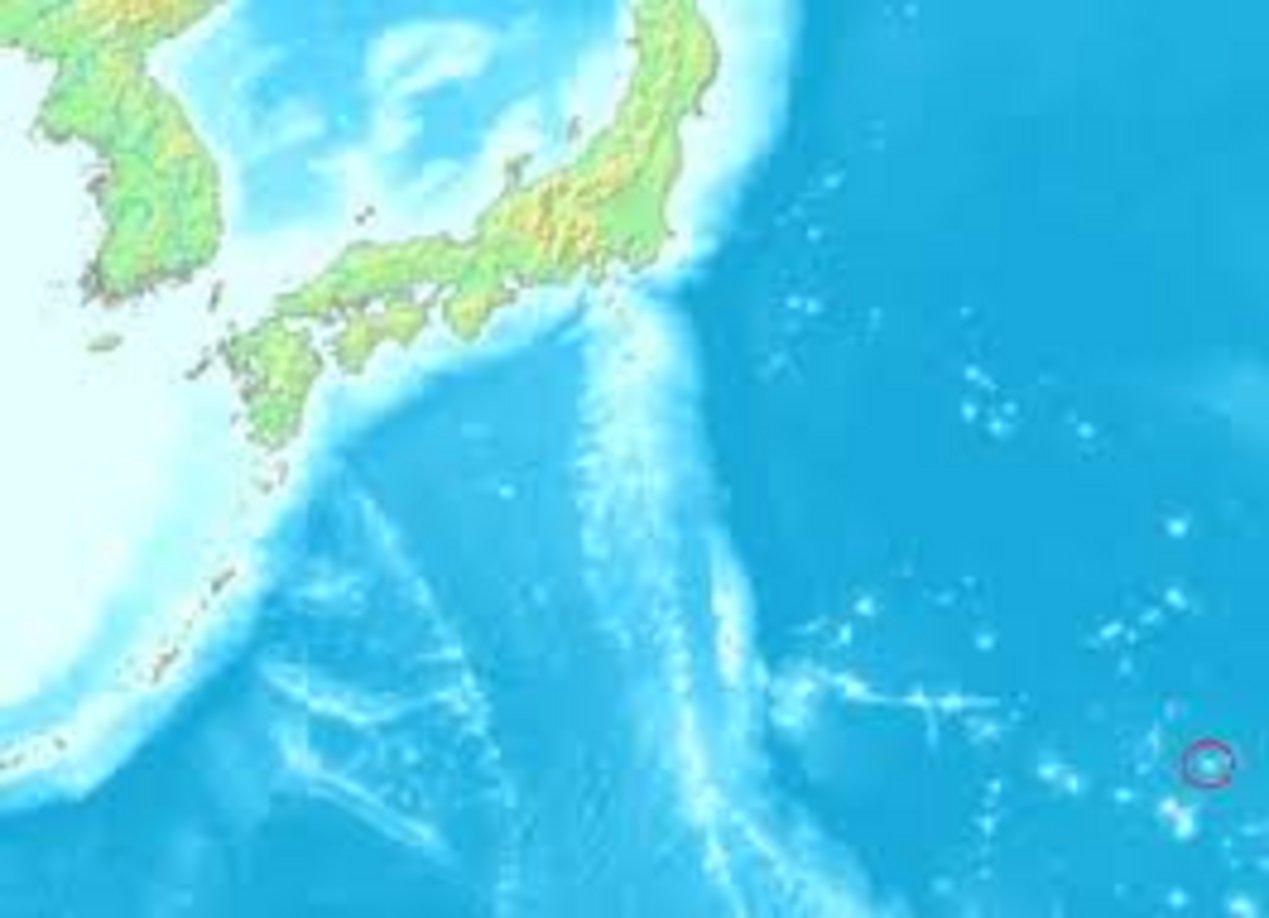
A tiny coral island nearly 1,200 miles from Tokyo may hold one of the world's most intriguing rare earth stories. Japan has successfully tested extraction of rare earth-rich deep-sea mud near Minami-Torishima (opens in a new tab), fueling hopes of reducing dependence on China for critical minerals. Yet beneath the excitement lies a harder question: can these resources ever compete economically with land-based supply chains?
A Treasure Chest Beneath Six Kilometers of Water
For Japan, Minami-Torishima emerges as a strategic holding. Research led by Professor Yasuhiro Kato (opens in a new tab) identified rare earth-rich sediments containing valuable heavy rare earth elements such as dysprosium and terbium—materials essential for high-performance magnets, defense systems, and advanced electronics. Importantly, the deposits lie within Japan's Exclusive Economic Zone, giving Tokyo direct control over development and permitting. That alone makes the project geopolitically significant.
The Ocean Doesn't Care About Headlines
Here is what many reports downplay. The challenge is not finding rare earths. The challenge is extracting them economically from depths approaching 6,000 meters. Previous economic assessments produced weak returns, including analyses showing negative net present value and low internal rates of return. In rare earths, geology is often the easy part. Engineering, processing, logistics, and capital discipline determine success.
Reading Between the Waves
So how probable is a mining operation at this Pacific island? Resource estimates remain based on limited sampling grids. Environmental impacts from deep-sea mining remain debated. And even if extraction succeeds, Japan must still process, separate, alloy, and manufacture products competitively.
So the real story is not the mud. Japan continues to demonstrate something the West often talks about but rarely executes: long-term industrial policy. Tokyo is willing to spend years and substantial capital pursuing supply-chain resilience.
Whether the project becomes a mine is almost secondary. The strategic lesson is that nations serious about rare earth security are investing across decades, not election cycles.
For REEx Readers
China's dominance was never merely geological. It was built through processing, separation, metallurgy, magnet manufacturing, and Beijing's industrial policy consistency. Japan understands that reality. The question is whether Japan can convert this policy into resilience. And we are not certain the rest of the world truly understands the steep trek ahead.


0 Comments
No replies yet
Loading new replies...
Moderator
Join the full discussion at the Rare Earth Exchanges Forum →