
Highlights
- DEScycle has secured over €10 million in public funding from EU Horizon, SPRIND, EIC Accelerator, and Innovate UK programs over the past ten months.
- The company is building a demonstration facility in Teesside, England, expected to launch in the second half of 2026, targeting electronic waste as a metal feedstock.
- DEScycle's ionometallurgical process uses Deep Eutectic Solvents to selectively recover metals with lower chemical consumption than conventional acid-based hydrometallurgy.
- Strategic backing from Mitsubishi and Cisco signals commercial interest, though pilot-scale performance claims have not yet been independently validated at industrial scale.
- The broader significance lies in Europe and the UK treating midstream processing infrastructure as a strategic asset to counter China's dominance in critical mineral refining.
A UK startup pursuing a novel approach to metals recovery has secured more than €10 million ($11.4 million) in new public funding as Europe and the United Kingdom intensify efforts to rebuild critical minerals processing capacity. DEScycle, a pre-commercial midstream metals recovery company, is developing an ionometallurgical process based on Deep Eutectic Solvents (DES) that could one day challenge portions of today's centralized smelting and hydrometallurgical infrastructure. While significant scale-up risks remain, the company's growing support from European agencies, Mitsubishi, Cisco, and government-backed programs highlights a broader trend: the West is finally beginning to focus on the processing bottleneck that sits between mines and manufacturing.
The funding has been secured across a series of competitive UK and European programs, including €5 million from EU Horizon, €1.5 million from Germany's SPRIND, €2.5 million from the EIC Accelerator, £0.9 million awarded through Innovate UK Investor Partnerships, and £0.5 million through a UKRI Future Leaders Fellowship.
The Real Race Isn't Mining—It's Processing
Everyone talks about critical mineral mines. Few talk about what happens after the rock leaves the ground. That may be changing.
UK-based DEScycle announced it has secured more than €10 million in grant funding over the past ten months, bringing total capital secured across grants, partnerships, and equity financing to roughly £30 million. The company is constructing a demonstration facility in Teesside, England, scheduled for launch in the second half of 2026.
DEScycle occupies a strategically important but often overlooked position in the critical minerals supply chain: the midstream.
Rather than mining ore, the company seeks to recover valuable metals from electronic waste and other secondary feedstocks, producing refined metal products for re-entry into industrial supply chains.
Fred White, Co-Founder
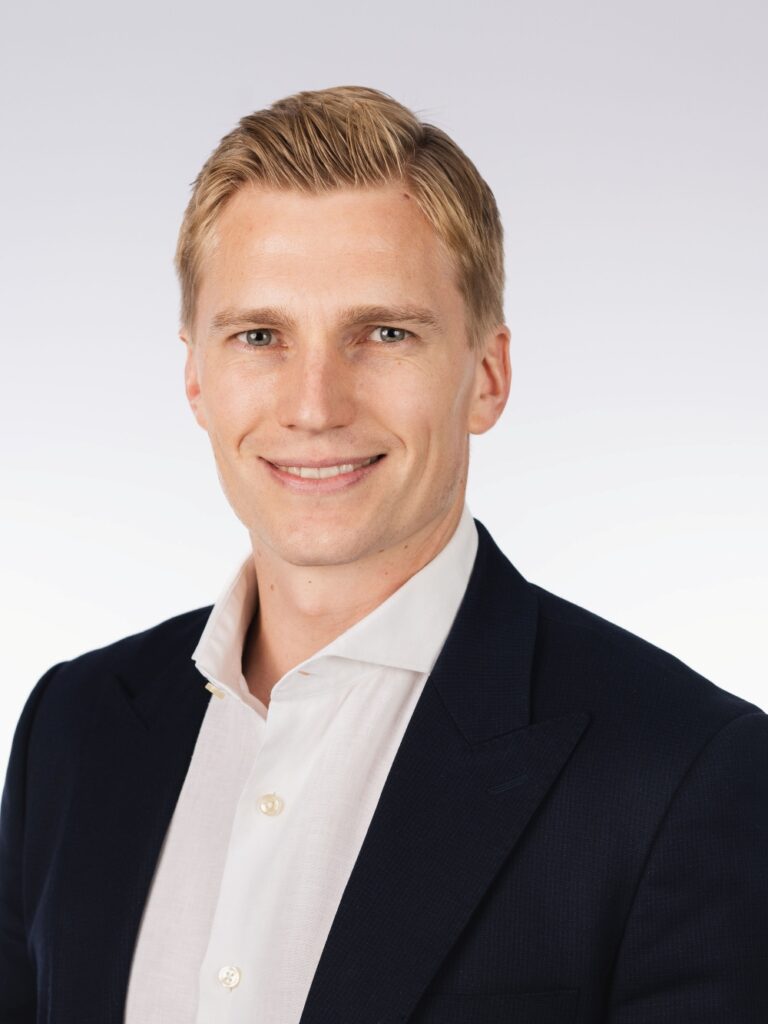
Source: LinkedIn
From Fossils to Metals
The company's origin story sounds almost accidental. According to co-founder Fred White (opens in a new tab) in a Rare Earth Exchanges™ (opens in a new tab) podcast (opens in a new tab), researchers at the University of Leicester discovered that a new class of chemistry known as Deep Eutectic Solvents could dissolve gold while attempting to remove coatings from fossil specimens. That observation ultimately led to the creation of DEScycle and the commercialization effort now underway.
The company believes the technology may offer advantages over traditional processing methods through lower chemical consumption, selective metal recovery, and potentially smaller, distributed processing facilities that can operate closer to waste generation points. Unlike conventional acid-based systems, DES chemistry is designed to be largely recycled within the process itself, potentially reducing reagent consumption and waste generation.
The Midstream Battlefield
Viewed through a geopolitical lens, DEScycle's approach represents something larger than recycling. China dominates much of the world's critical mineral and rare earth processing infrastructure. For years, Western governments focused heavily on mining while allowing processing, refining, and metals recovery capabilities to migrate overseas. Massive projects such as Korea Zinc's Tennessee metals recovery complex represent one response: billion-dollar centralized facilities designed to compete at scale. DEScycle is pursuing the opposite strategy.
Rather than concentrating processing into a handful of giant facilities, the company envisions smaller, distributed "micro-refineries" located closer to where electronic waste is generated. If successful, such a model could reduce transportation costs, improve traceability, strengthen domestic supply chains, and support closed-loop manufacturing systems where companies recover metals from legacy products and return them directly into production.
Whether DES chemistry can ultimately compete economically against industrial-scale smelting, solvent extraction, and hydrometallurgical systems remains an open question. But the emergence of alternative processing architectures itself is noteworthy. In an era increasingly defined by supply-chain security rather than pure efficiency, resilience may become as valuable as scale.
Where the Story Gets Interesting
The most compelling part of DEScycle's thesis is not chemistry. It is infrastructure. White argues that only about 20% of global electronic waste is currently recycled despite containing enormous quantities of recoverable metals. Some categories of server-board waste contain metal concentrations that exceed those found in many operating mines. The bottleneck, he contends, is not metal availability but the highly centralized nature of today's smelting infrastructure.
If that assessment proves correct, the implications extend far beyond recycling.
They reach into national security, industrial competitiveness, supply-chain resilience, and critical mineral independence.
A Dose of Investor Reality
Investors should remain disciplined. DEScycle has not yet demonstrated commercial-scale operations. The Teesside facility remains a demonstration project. Many performance claims—including recovery rates, economics, throughput, and scalability—remain largely company-reported and await broader industrial validation.
The company reports pilot-scale recovery rates exceeding 99% for certain target metals and claims substantial improvements in processing times. However, these results have not yet been independently verified at industrial scale. The transition from demonstration facility to repeatable commercial deployment remains the highest-risk stage for any processing technology company.
That said, strategic backing from organizations including Mitsubishi and Cisco suggests sophisticated commercial players see enough potential to warrant further development. DEScycle is also pursuing digital product passports and closed-loop supply-chain models that could appeal to manufacturers seeking greater traceability and supply security.
Why REEx Is Watching
The larger story is not DEScycle. It is that Europe and the United Kingdom are increasingly treating processing infrastructure as a strategic asset.
For decades, the West focused on discovering deposits. China focused on building processing ecosystems.
Whether DEScycle succeeds or fails, its funding round sends an unmistakable signal: policymakers are beginning to understand that whoever controls the midstream often controls the supply chain. In the emerging Great Powers Era 2.0, that realization may prove more important than any single technology breakthrough.
Source Note: This article incorporates information from DEScycle's June 2026 funding announcement and Rare Earth Exchanges' interview with co-founder Fred White. Funding awards appear verifiable. Technical performance, economics, scalability, and commercialization claims should be independently validated through future demonstration and commercial operations.
REEx Marketplace™
Looking to buy, sell, process, transport, finance, test, refine, or source rare earth elements, critical minerals, magnets, metals, oxides, concentrates, equipment, or services? Join the growing global marketplace connecting miners, processors, manufacturers, investors, laboratories, logistics providers, governments, and end-users across the critical minerals supply chain.
Register today: REEx Marketplace™ (opens in a new tab)


0 Comments
No replies yet
Loading new replies...
Moderator
Join the full discussion at the Rare Earth Exchanges Forum →