
Highlights
- USA Rare Earth announced a $1.2 billion facility in Cherokee County, SC, but critical details on financing, timeline, and customers remain unanswered.
- Duke Energy's site readiness program helped prepare the Bailey Industrial Site, but infrastructure alone does not guarantee commercial production.
- Building competitive magnet manufacturing outside China remains the hardest challenge, requiring expertise, equipment, and skilled labor the U.S. still largely lacks.
- Investors should track deployed capital and operating capacity milestones over the next 12-24 months, not just announcements and ribbon-cutting events.
- The real question is whether USA Rare Earth can reach commercial-scale production before geopolitical pressures force a crisis in the rare earth supply chain.
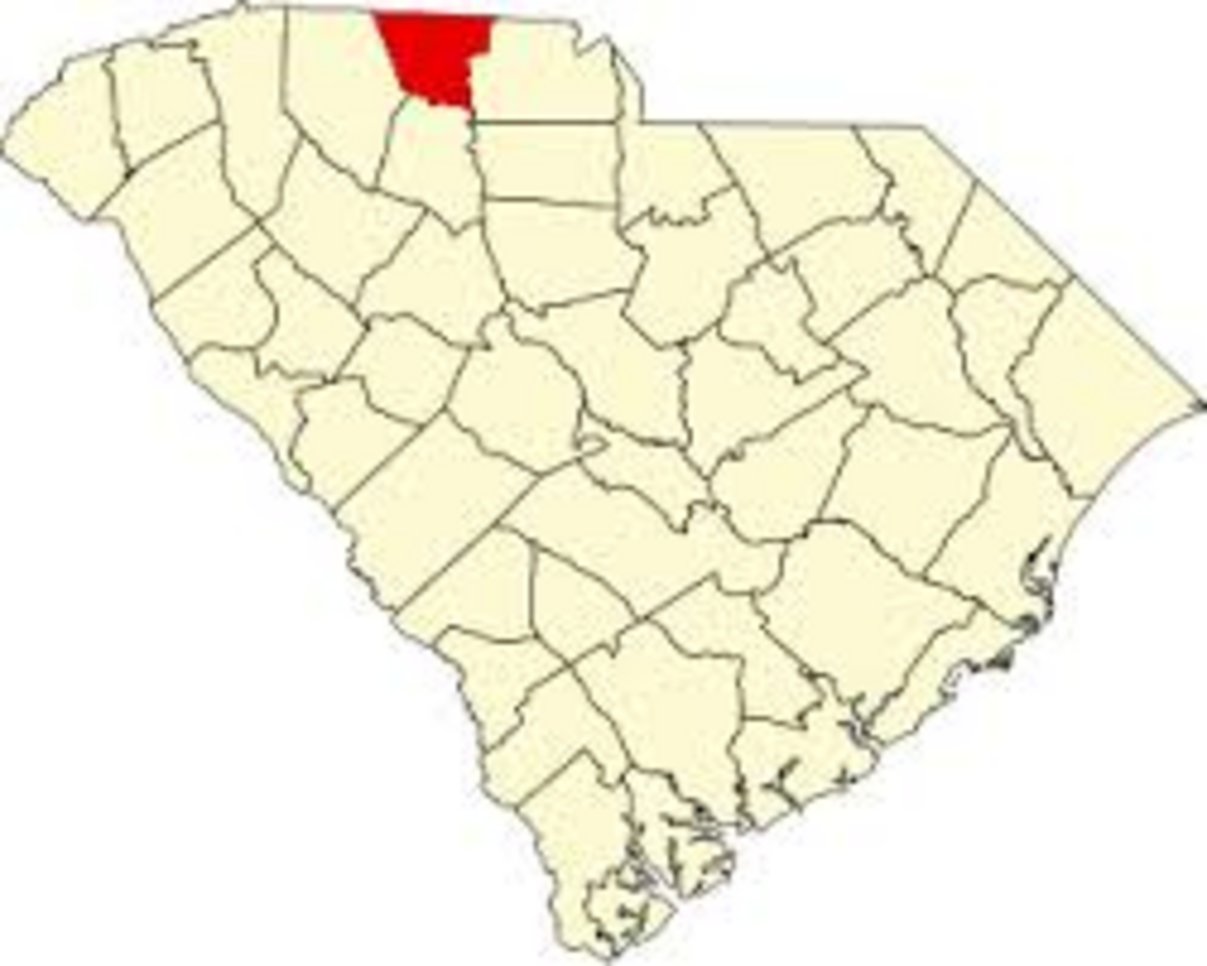
USA Rare Earth's (USAR (opens in a new tab)) announcement of a $1.2 billion investment and 490 jobs in Cherokee County, South Carolina generated predictable excitement among economic development officials and utility executives. Duke Energy (opens in a new tab) rightly highlights the role its Site Readiness Program (opens in a new tab) played in preparing the Bailey Industrial Site for development.
But investors should focus on a more important question: how much of this project is actually real today, and how much remains a future vision?
The announcement represents another step toward building a domestic rare earth supply chain. Yet the road from announcement to commercial production remains long, expensive, and filled with execution risk.
The Groundwork Beneath the Headlines
Industrial policy often succeeds or fails long before a factory is built. Power availability, water access, transportation infrastructure, permitting, environmental reviews, and workforce readiness determine whether billion-dollar projects move forward or become press release casualties.
On that front, Duke Energy deserves credit. Site readiness is often overlooked, but it is one of the few areas where the United States can reduce development timelines and improve competitiveness. China spent decades building industrial ecosystems around rare earths. The United States is attempting to build one in real time.
The Questions Missing from the Celebration
The press release celebrates jobs and investment but leaves critical investor questions unanswered. What is the actual construction timeline?
When will production begin? How much of the $1.2 billion has been financed? Will the facility produce oxides, metals, alloys, magnets—or all four? What are the expected production capacities? Who are the anchor customers? What percentage of feedstock will come from the company's Round Top deposit in Texas versus third-party suppliers? Most importantly, what milestones should investors watch over the next 12 to 24 months to determine whether this project remains on schedule? Those details matter far more than ceremonial shovels and ribbon-cutting events.
Beyond the Mine-to-Magnet Slogan
The project also highlights a broader reality often absent from policy discussions. Building a rare earth mine is difficult. Building separation is harder. Building metal and alloy production is harder still. Building competitive magnet manufacturing outside China may be the most difficult challenge of all. The United States remains heavily dependent on China for rare earth processing expertise, magnet manufacturing equipment, skilled labor, and downstream industrial know-how. A new facility does not automatically solve those problems.
What Investors Should Watch Next
The Bailey site is unquestionably a positive development. Physical infrastructure matters. Industrial sites matter. Domestic manufacturing matters. But investors should separate announced capital from deployed capital and planned capacity from operating capacity.
The key question is no longer whether America wants a domestic rare earth supply chain. The key question is whether projects like USA Rare Earth can move from renderings and announcements to commercial-scale production before geopolitical events force the issue.
That is the story worth following.
Investor Takeaway: The Duke Energy announcement is encouraging, but it is not proof of success. It is proof that another piece of the board has been placed. The next two years will determine whether USA Rare Earth becomes a cornerstone of America's mine-to-magnet ambitions—or another well-intentioned chapter in the long history of Western rare earth delays.
Rare Earth Exchanges® provides independent analysis of the rare earth, critical mineral, and magnet supply chain. Our mission is to separate industrial reality from political narratives so investors can make better-informed decisions.
Join the REEx Marketplace: https://marketplace.rareearthexchanges.com/signu (opens in a new tab)


0 Comments
No replies yet
Loading new replies...
Moderator
Join the full discussion at the Rare Earth Exchanges Forum →