
Highlights
- Indonesian authorities seized approximately 390 tonnes of mineral concentrates containing rare earth elements and radioactive materials near Batam.
- The unidentified buyer remains the central mystery, with China considered the most plausible destination given its dominance in rare earth refining.
- Indonesia's seizure mirrors its nickel export ban strategy, signaling a potential push for domestic rare earth processing and resource nationalism.
- Illegal mining networks in Bangka-Belitung's tin industry may be linked to the smuggled cargo, fitting an established pattern of mineral smuggling.
- The Batam incident highlights a global shift toward treating rare earths as strategic assets, with control over raw materials becoming a new geopolitical battleground.
Indonesian authorities have intercepted approximately 390 tonnes of mineral concentrates allegedly containing rare earth elements and radioactive materials near Batam, one of the world's busiest maritime chokepoints. While headlines focus on the seizure itself, the real story is far bigger: Indonesia is tightening control over strategic minerals just as global competition for rare earths intensifies.
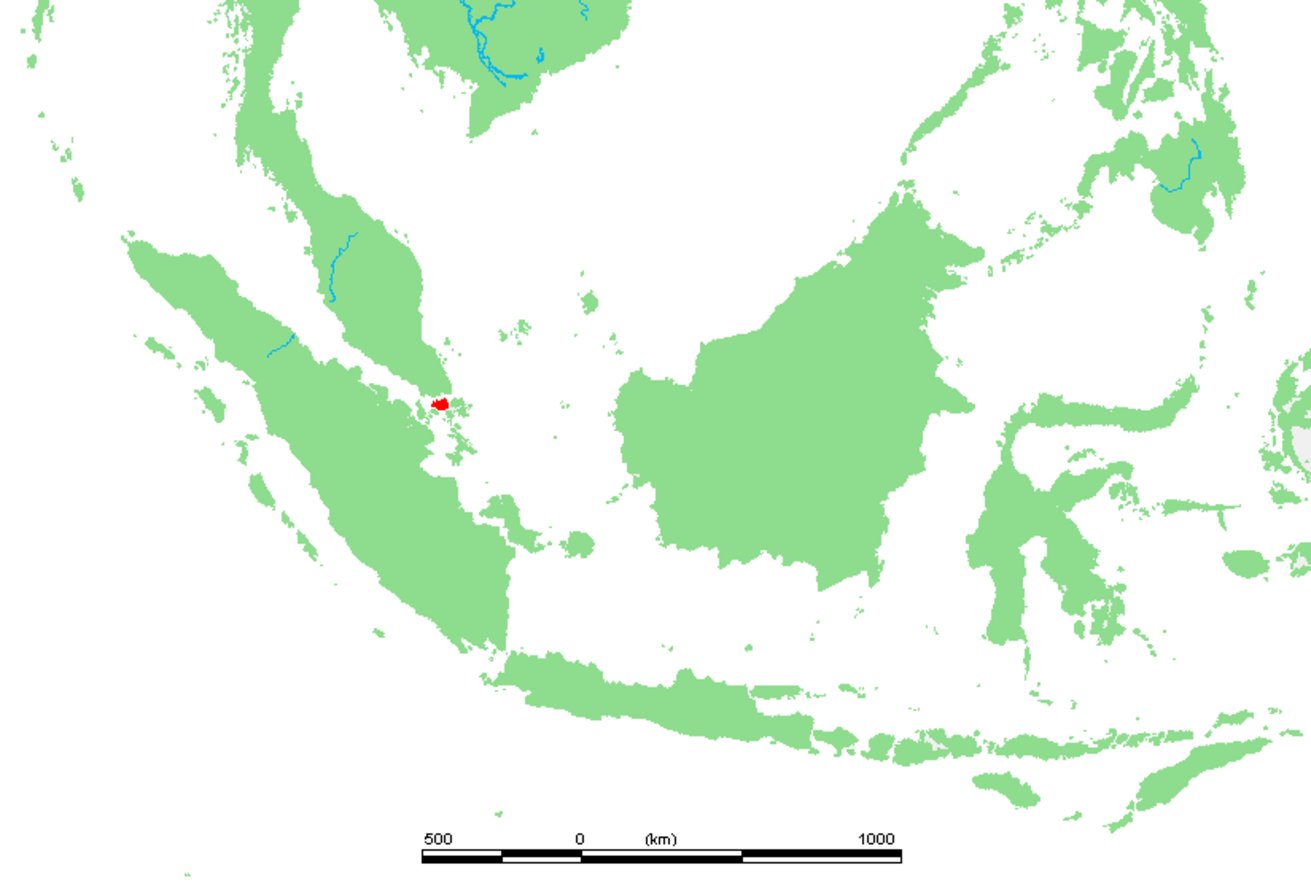
The most important unanswered question remains simple: Who was the buyer?
Until investigators identify the consignee, the Batam seizure sits at the crossroads of resource nationalism, illegal mining, rare earth supply chains, and China's overwhelming dominance in mineral processing.
Follow the Tin, Not the Rare Earths
The strongest clue may not be rare earths at all. Indonesia's future rare earth ambitions are heavily tied to monazite and xenotime recovered from its massive tin industry, particularly in Bangka-Belitung. Those same regions have long struggled with illegal mining and smuggling networks that move mineral concentrates through informal channels.
Recent Indonesian crackdowns revealed an enormous shadow economy in tin production, with authorities targeting hundreds of illegal operations. If investigators eventually trace the Batam cargo back to these networks, the seizure would fit an already established pattern rather than represent a new phenomenon.
Jakarta's Nickel Playbook Comes for Rare Earths
The politics matter. Indonesia transformed global nickel markets by banning raw ore exports and forcing investment into domestic processing. The policy attracted tens of billions of dollars and helped create one of the world's most important battery-materials hubs.
Now Jakarta appears to be laying the groundwork for a similar approach to rare earths.
Over the past year, Indonesia has established a dedicated agency for rare earth and radioactive mineral development, identified multiple prospective rare earth districts, and openly linked future production to strategic national objectives including industrial development, economic sovereignty, and defense.
Viewed through that lens, the Batam seizure looks less like a simple smuggling case and more like an early test of Indonesia's emerging critical minerals strategy.
Is There a China Connection?
There is currently no public evidence connecting China to the seized shipment.
That fact must remain front and center. Yet China remains the most plausible destination from a market-structure perspective. What other nation has such refining capability?
Very few countries can economically process rare earth concentrates containing radioactive contaminants such as thorium and uranium at scale. China dominates global rare earth separation, refining, and magnet manufacturing. It is also the primary destination for many mineral concentrates moving through Asia's supply chains. That does not make China guilty.
It does make China the first destination investigators will inevitably consider.
Malaysia represents a secondary possibility because of the presence of the Lynas refinery, while India and Japan remain more distant possibilities due to their more limited processing capabilities.
The Bigger Signal
The Batam seizure may ultimately prove less important than what it symbolizes.
Around the world, governments are beginning to treat rare earths, critical minerals, and associated radioactive materials as strategic assets rather than ordinary commodities.
Indonesia did it with nickel. Now it may be preparing to do the same with rare earths.
For investors, the lesson is clear: the next battleground in the rare earth supply chain may not be a mine, a refinery, or a magnet factory.
It may be control over the material before it ever reaches the market.
Rare Earth Exchanges Take
The buyer matters more than the seizure. If the cargo was destined for China, the episode would highlight Beijing's continuing gravitational pull over global rare earth supply chains. If another destination emerges, it could signal that alternative processing ecosystems are finally beginning to take shape. Either outcome would be significant.
REEx Marketplace™ — Connecting the Global Rare Earth Supply Chain
Discover projects, pricing intelligence, strategic materials, buyers, sellers, and investment opportunities across the rare earth ecosystem:
https://marketplace.rareearthexchanges.com/signup (opens in a new tab)


0 Comments
No replies yet
Loading new replies...
Moderator
Join the full discussion at the Rare Earth Exchanges Forum →