
Highlights
- Tanzania hosts the Ngualla rare earth deposit, one of the world's premier undeveloped rare earth projects, now linked to China's Shenghe Resources.
- Russia is expanding economic ties with Tanzania as Western relations strain over election controversies, raising geopolitical stakes for critical mineral investors.
- Tanzania's resource base spans rare earths, graphite, nickel, uranium, and gold—positioning it as a pivotal player in the global battery and defense supply chain.
- China, the West, and Russia are all vying for influence in Tanzania, making Dar es Salaam a new flashpoint in the competition for strategic materials.
Tanzanian President Samia Suluhu Hassan's (opens in a new tab) historic visit to Russia may appear to be a diplomatic milestone, but beneath the state ceremonies lies a far more consequential story for critical mineral investors. As relations between Tanzania and several Western governments become strained following election-related controversies, Moscow is seeking deeper trade, investment, and potentially mineral-sector ties with one of Africa's most resource-rich nations. Tanzania hosts the globally significant Ngualla rare earth deposit, major graphite projects, nickel prospects, uranium resources, and substantial gold production. No major mining agreement was announced during the visit, but the message is clear: global powers increasingly view Tanzania as a strategic player in the competition for critical minerals.
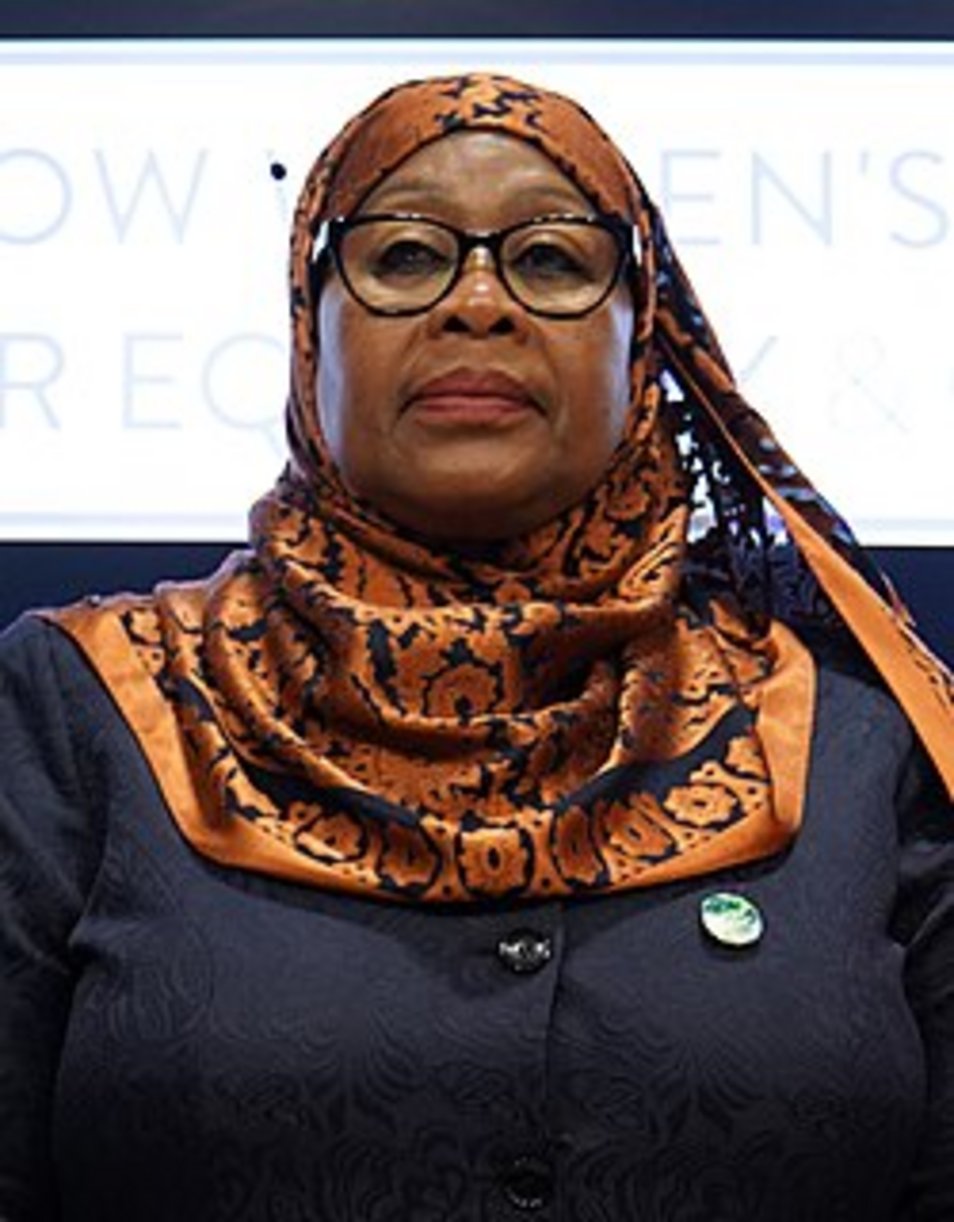
Samia Suluhu Hassan, President, Tanzania
A New Contest for East Africa
When President Hassan arrived in Moscow, she brought more than diplomats.
She brought business leaders seeking trade, tourism, and investment opportunities. Russia, meanwhile, continues expanding its economic and political footprint across Africa as Western relationships become increasingly complicated.
For investors, the significance lies not in the diplomatic optics but in Tanzania's resource base.
The Mineral Prize Beneath the Soil
Most investors know Tanzania as a gold producer. They should know it for much more. The country's flagship critical mineral asset is the Ngualla rare earth project, one of the world's premier undeveloped rare earth deposits. Following the acquisition of Peak Rare Earths by Shenghe Resources, Ngualla is expected to become an important future source of magnet rare earths used in electric vehicles, wind turbines, robotics, and defense systems.
Beyond rare earths, Tanzania hosts world-class graphite resources, including several projects expected to supply battery markets, alongside nickel, uranium, helium, and other strategic minerals.
The Story Behind the Headlines
A Deutsche Welle (Germany) report (opens in a new tab) accurately captures the diplomatic significance of the visit. What it largely overlooks is the mineral dimension. China already holds a significant position through Ngualla and other regional investments. Western governments increasingly view East Africa as a critical minerals frontier. Russia's growing interest suggests Tanzania's strategic importance is becoming impossible to ignore. Whether Moscow seeks direct mining participation, broader trade relationships, or geopolitical influence remains unclear.
The REEx Take
This story is not fundamentally about Russia. It is about Tanzania's emergence as a critical minerals power.
The nation sits at the intersection of rare earths, battery materials, strategic metals, and geopolitics. As competition intensifies among China, the West, and increasingly Russia, Tanzania's mineral endowment may become one of the most important resource stories of the decade. Investors should watch carefully. The next chapter in the global critical minerals race may be written not in Washington, Beijing, or Moscow—but in Dar es Salaam.
Source: Deutsche Welle reporting on President Samia Suluhu Hassan's June 2026 state visit to Russia.
REEx Marketplace™
Connecting buyers, sellers, investors, processors, manufacturers, and governments across the global rare earth value chain. Discover projects, pricing intelligence, strategic materials, and market opportunities:
https://marketplace.rareearthexchanges.com/signup (opens in a new tab)


0 Comments
No replies yet
Loading new replies...
Moderator
Join the full discussion at the Rare Earth Exchanges Forum →