
Highlights
- Pentagon officials visited UND's pilot plant exploring rare earth, gallium, and germanium extraction from North Dakota lignite coal deposits.
- A pilot plant is not a commercial operation—the real challenge is building profitable extraction, separation, and manufacturing capacity at scale.
- Even successful extraction leaves major gaps in downstream separation, metal production, alloy manufacturing, and magnet fabrication.
- Proposed $50 million DOE funding would help prove commercial viability, but the full rare earth supply chain remains far from complete.
Federal officials recently toured (opens in a new tab) the University of North Dakota’s (UND) rare earth pilot plant, highlighting growing national interest in extracting rare earth elements, gallium, and germanium from North Dakota lignite coal resources. The visit underscores Washington’s urgency to reduce dependence on China. But investors should distinguish between promising research and commercial reality. The real challenge is not finding critical minerals—it is building profitable extraction, separation, refining, metal-making, alloy, and magnet manufacturing capacity at scale.
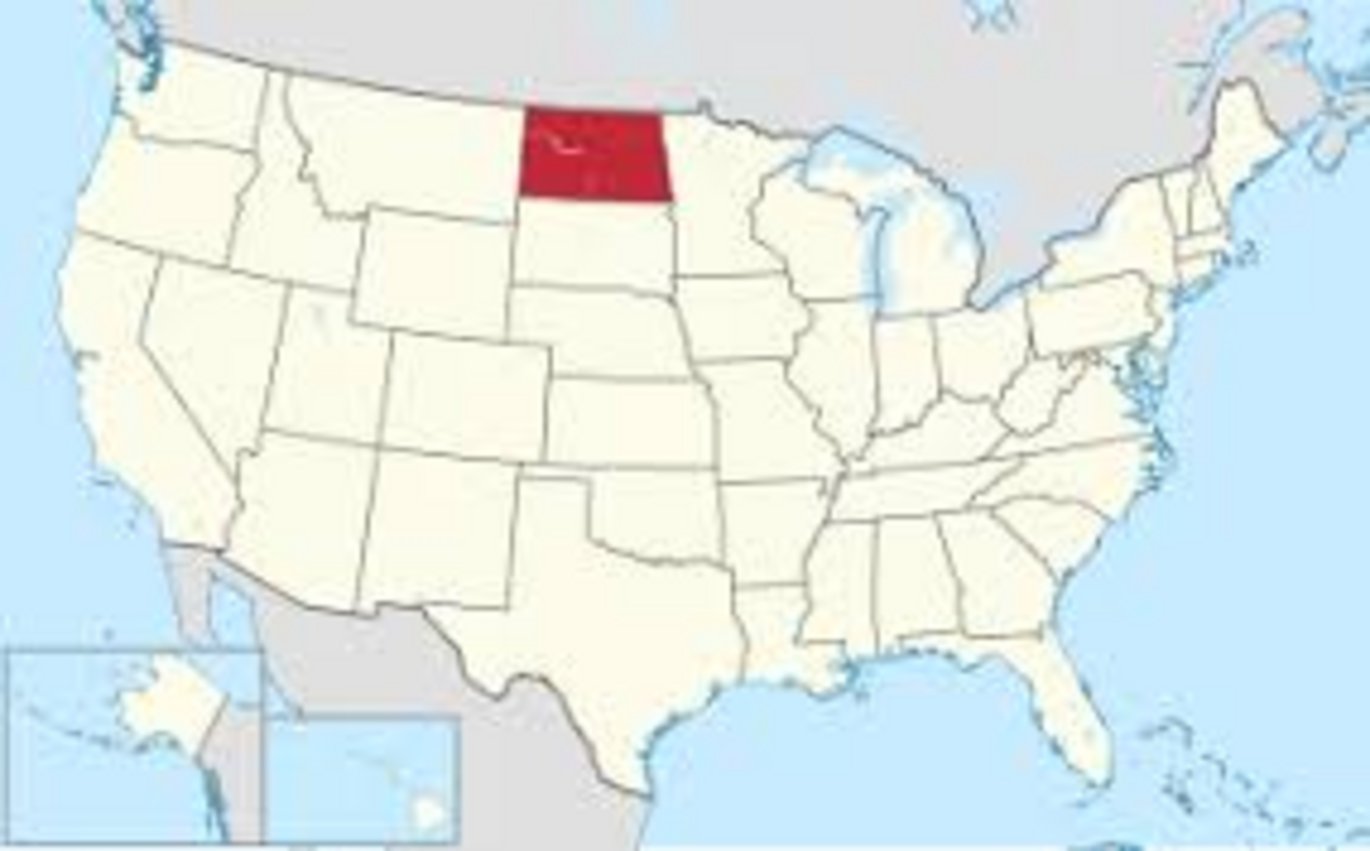
A Treasure Map Beneath the Prairie
Sometimes the most important mineral discovery isn't a mine. The University of North Dakota's pilot facility is exploring whether North Dakota's massive lignite deposits can become a source of rare earth elements and other strategic materials. Senator Kevin Cramer and senior Pentagon acquisition official Michael Duffey visited the facility to assess its potential contribution to U.S. national security and supply-chain resilience. Their message was clear: China remains the dominant force across the rare earth value chain, and Washington is searching aggressively for domestic alternatives.
What the Story Gets Right
The article accurately highlights a frequently overlooked fact. Coal ash, coal byproducts, and lignite deposits can contain economically interesting concentrations of rare earth elements, as well as critical minerals such as gallium and germanium.
It is also accurate that North Dakota possesses significant lignite resources and that federal agencies have invested heavily in researching unconventional domestic sources of critical minerals. The proposed $50 million Department of Energy funding would represent another step toward proving commercial viability.
Where the Real Test Begins
This is where investor caution becomes essential. A pilot plant is not a commercial operation.
Recovering rare earths from coal-related materials has been studied for years across the United States. The central question has never been whether rare earths exist in these materials. The question is whether they can be extracted, separated, purified, and sold at costs competitive with global suppliers.
Even if UND succeeds, America still faces substantial gaps in downstream separation, metal production, alloy manufacturing, and magnet fabrication.
The Missing Chapter
The article focuses heavily on extraction but largely omits the broader industrial challenge. Rare earth supply chains are won in processing plants, not headlines. For Rare Earth Exchanges™ readers, the most important development is not the pilot plant itself. It is the growing recognition inside Washington and the Pentagon that unconventional domestic sources may become part of a broader strategy to rebuild critical mineral independence. The pilot plant is a promising chapter. The book, however, remains unfinished.
Join the REEx Marketplace: https://marketplace.rareearthxchanges.com/signup (opens in a new tab)


0 Comments
No replies yet
Loading new replies...
Moderator
Join the full discussion at the Rare Earth Exchanges Forum →