
Highlights
- Malaysia's estimated 16.1 million metric tonnes of rare earth resources are concentrated in Terengganu, Kelantan, Perak, Kedah, and Pahang, but require further geological verification.
- A federal-state governance divide creates competing priorities, inconsistent royalty structures, and uneven adoption of standards that threaten Malaysia's mine-to-magnet ambitions.
- Key players including Lynas, Chinalco, JOGMEC, and Khazanah Nasional are active in Malaysia's rare earth ecosystem, reflecting strong international interest.
- The report underscores that China's dominance extends beyond mining to refining, magnet production, and intellectual property, posing a deeper challenge for aspiring producers.
- Mineral deposits alone do not create strategic advantage—Malaysia's success will hinge on institutional alignment between federal and state authorities.
In Ambition Without Alignment: Managing Malaysia's Rare Earth Value Chain, Dr. Tricia Yeoh (opens in a new tab) of the University of Nottingham Malaysia and the ISEAS–Yusof Ishak Institute (opens in a new tab) argues that Malaysia possesses a potentially significant rare earth opportunity, but fragmented governance may prevent the country from fully capitalizing on it. Drawing on government reports, parliamentary records, policy documents, and interviews with key policymakers including former Natural Resources Minister Nik Nazmi Nik Ahmad (opens in a new tab) and Member of Parliament Howard Lee (opens in a new tab), Yeoh concludes (opens in a new tab) that Malaysia's federal government, state governments, regulators, and industry stakeholders often operate with differing incentives and priorities. While the nation seeks to build a higher-value rare earth ecosystem spanning mining, processing, and manufacturing, unresolved political, regulatory, environmental, and fiscal tensions threaten that vision.
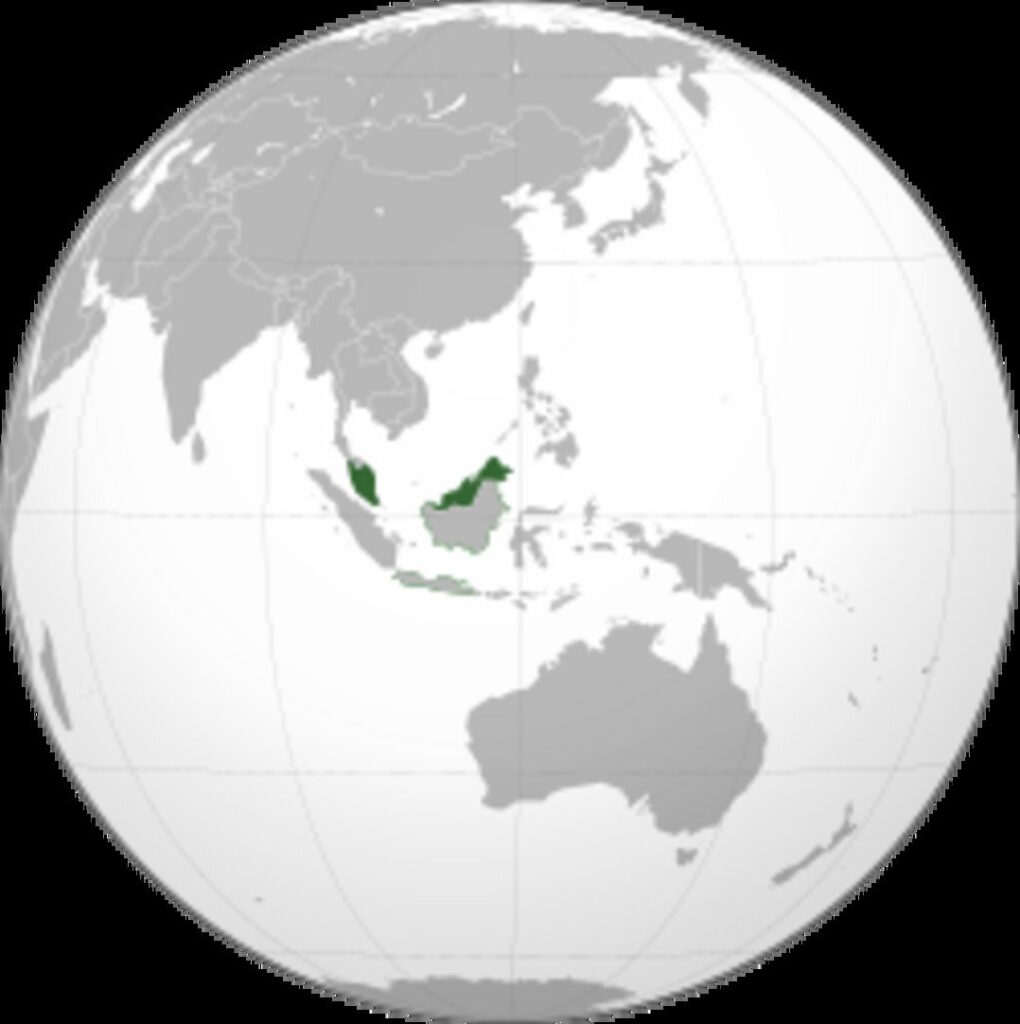
A Strategic Resource Beneath a Political Fault Line
The study highlights Malaysia's estimated 16.1 million metric tonnes of inferred rare earth resources, concentrated primarily in Terengganu, Kelantan, Perak, Kedah, and Pahang. Yet Yeoh repeatedly notes that these figures remain preliminary and require further geological verification before they can be treated as commercially recoverable reserves.
Malaysia has banned exports of raw rare earth materials in an effort to attract higher-value activities such as separation, refining, magnet production, and advanced manufacturing. Companies and institutions appearing prominently in the report include Lynas Rare Earths, MCRE Resources (Southern Alliance Mining), Chinalco, Carester (inked deal with Malaca Mining Sdn), JS-Link, JOGMEC, ECERDC, Khazanah Nasional, and multiple state-owned development entities.
Dr. Tricia Yeoh

The Real Bottleneck Isn't Geology
The report's most important finding is not about rare earth deposits. It is about governance.
Federal authorities control trade policy, industrial development, environmental oversight, and export regulations, while state governments control land access, exploration rights, and mining approvals. This division has produced competing priorities, inconsistent royalty structures, parallel negotiations with foreign investors, and uneven adoption of federal standards. Yeoh's central argument is that Malaysia's rare earth ambitions currently exceed the level of institutional alignment required to achieve them.
What the Report Sees—and What It Leaves Unsaid
The paper correctly identifies a reality often overlooked by policymakers: mining is only the first step. The greatest economic value resides in processing, separation, metals, alloys, magnets, and advanced manufacturing. However, the report understates a challenge confronting nearly every aspiring rare earth producer outside China. China does not merely dominate mining. It controls much of the world's refining capacity, magnet production, engineering expertise, intellectual property, and workforce experience. Even if Malaysia succeeds in developing its resource base, creating a globally competitive mine-to-magnet ecosystem remains a far more difficult undertaking.
Why Investors Should Care
Malaysia occupies a unique position in the global rare earth landscape. It hosts one of the world's most important rare earth processing hubs outside China through Lynas, possesses attractive ionic clay deposits containing valuable heavy rare earth elements, and maintains active relationships with partners in Japan, Australia, South Korea, the United States, and China. The nation’s rich ionic clays offer alternatives for heavy rare earths, and American companies such as DTEC MMT (opens in a new tab) are actively exploring business development ties for prospecting.
The report, which cites Rare Earth Exchanges®, (opens in a new tab) ultimately reinforces a lesson increasingly visible across the critical minerals sector: mineral deposits alone do not create strategic advantage. Industrial coordination does. Malaysia's future role in the rare earth supply chain will depend less on what lies underground than on whether federal and state authorities can align around a coherent, transparent, and durable national strategy.
Citation: Yeoh, Tricia. Ambition Without Alignment: Managing Malaysia's Rare Earth Value Chain. Trends in Southeast Asia, Issue 14, 2026. ISEAS–Yusof Ishak Institute, Singapore.
Register today: REEx Marketplace™ (opens in a new tab)
Discover companies, projects, pricing intelligence, and opportunities across the global rare earth value chain at the REEx Marketplace: https://marketplace.rareearthexchanges.com/signup (opens in a new tab)


0 Comments
No replies yet
Loading new replies...
Moderator
Join the full discussion at the Rare Earth Exchanges Forum →