
Highlights
- China controls rare earth chokepoints including separation, refining, alloy production, and magnet fabrication, not just mining.
- Pakistan has genuine mineral potential with projects like Reko Diq, but lacks rare earth separation and magnet manufacturing industries.
- Mineral deposits are only the starting point; strategic power comes from the full industrial ecosystem, not the mine alone.
- Many resource-rich nations pursue multi-aligned strategies rather than choosing between Washington and Beijing.
- The critical question for investors is whether Pakistan can attract the capital, expertise, and infrastructure to build a mine-to-magnet value chain.
The next mineral superpower may not be the country with the largest deposits. It may be the country that can separate, refine, alloy, manufacture, finance, and secure the supply chains that transform rocks into strategic power. That distinction matters more than ever. In Pakistan at the Crossroads of a New Mineral War, The Express Tribune argues (opens in a new tab) that Pakistan's untapped mineral wealth could place the country at the center of intensifying U.S.-China competition. The premise is compelling: critical minerals have become strategic assets, and Pakistan possesses geological potential that could attract increasing international attention. The broader argument is sound.
The conclusion deserves closer scrutiny.
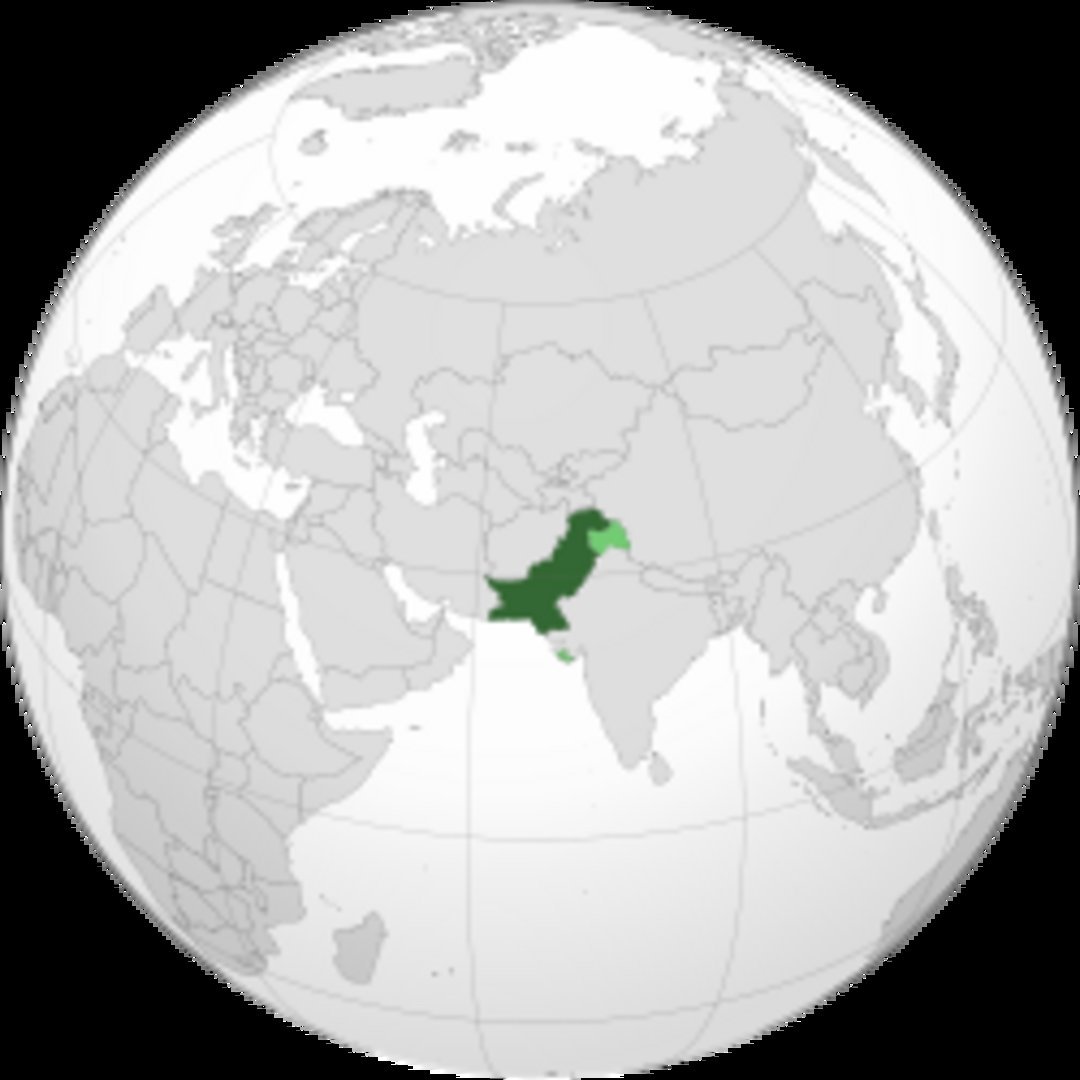
Beneath the Soil Lies Opportunity
The article written by Kamran Yousaf correctly identifies several important realities. China remains the dominant force in rare earth processing and permanent magnet manufacturing. While mining is geographically distributed across countries including Australia, Brazil, South Africa, and several African nations, China continues to control the most important chokepoints: separation, refining, metal-making, alloy production, and magnet fabrication.
The piece is also correct that critical minerals have moved from the margins of industrial policy to the center of national security strategy. The United States, Europe, Japan, Australia, India, and others are actively investing in alternative supply chains designed to reduce dependence on China. Pakistan's mineral potential is genuine as well. The Reko Diq (opens in a new tab) project is among the world's largest undeveloped copper-gold deposits, while significant portions of the country remain underexplored by modern geological standards.
The Missing Chapter: Rocks Are Not Supply Chains
This is where the analysis becomes incomplete. The article implicitly treats mineral deposits as strategic power. In reality, deposits are merely the starting point. Rare earths are not controlled by mines. They are controlled by processing facilities, metallurgical expertise, intellectual property, engineering talent, capital markets, environmental permitting systems, logistics networks, and long-term customer relationships.
The mine may create the resource. The industrial ecosystem creates the power. Pakistan today possesses mineral potential. It does not yet possess a significant rare earth separation industry, a large-scale magnet manufacturing sector, or an integrated mine-to-magnet value chain. That remains the real bottleneck.
A More Nuanced Geopolitical Reality
The article suggests Pakistan may eventually face pressure to choose between Washington and Beijing.
Perhaps. But the emerging reality across critical minerals is often more sophisticated than a binary choice. Many resource-rich nations are pursuing multi-aligned strategies—welcoming Western investment while maintaining commercial relationships with China. Brazil, Indonesia, Saudi Arabia, and Vietnam are all experimenting with variations of this model.
Pakistan may seek a similar path.
What Investors Should Watch
The key question is not whether Pakistan has minerals.
The key question is whether Pakistan can attract the billions of dollars of investment, decades of technical expertise, infrastructure development, reliable power generation, regulatory stability, and downstream manufacturing capacity required to convert geological potential into strategic leverage. In critical minerals, geology opens the door.
Processing owns the house. That distinction is the most important omission in the Express Tribune analysis—and perhaps the most important lesson for investors attempting to understand the future of global critical mineral supply chains.


0 Comments
No replies yet
Loading new replies...
Moderator
Join the full discussion at the Rare Earth Exchanges Forum →