
Highlights
- Ultra Rare Earth is acquiring full control of Appia Brasil's PCH rare earth project in Goiás, covering approximately 42,932 hectares of ionic clay-hosted deposits.
- The U.S. DFC approved a $565 million financing package for Serra Verde's Pela Ema mine, helping unwind Chinese offtake deals and prioritizing U.S. access to dysprosium and terbium.
- USA Rare Earth announced a $2.8 billion deal to acquire Serra Verde in April 2026, aiming to create a Western mine-to-magnet platform outside China.
- These moves represent strategic positioning for future supply security, not immediate production gains—China's dominance in refining and magnet manufacturing remains intact.
- Brazil's rare earth sector is emerging as a key non-Chinese battleground in Great Powers Era 2.0, with Western governments treating critical minerals as strategic assets.
Rare Earth Exchanges® has been tracking the accelerating competition for critical mineral and rare earth supply chains in what we call Great Powers Era 2.0. Recent transactions involving U.S. companies, government-backed financing, and Brazilian rare earth assets raise an increasingly important question: Is Washington quietly building a strategic rare earth position in Brazil? While Chinese state-owned associations portray these developments as an effort to establish "American control" over Brazilian rare earths, that characterization overstates reality. Yet the underlying trend is unmistakable—Brazil is rapidly emerging as one of the most important non-Chinese battlegrounds in the race to secure future critical mineral supply chains.
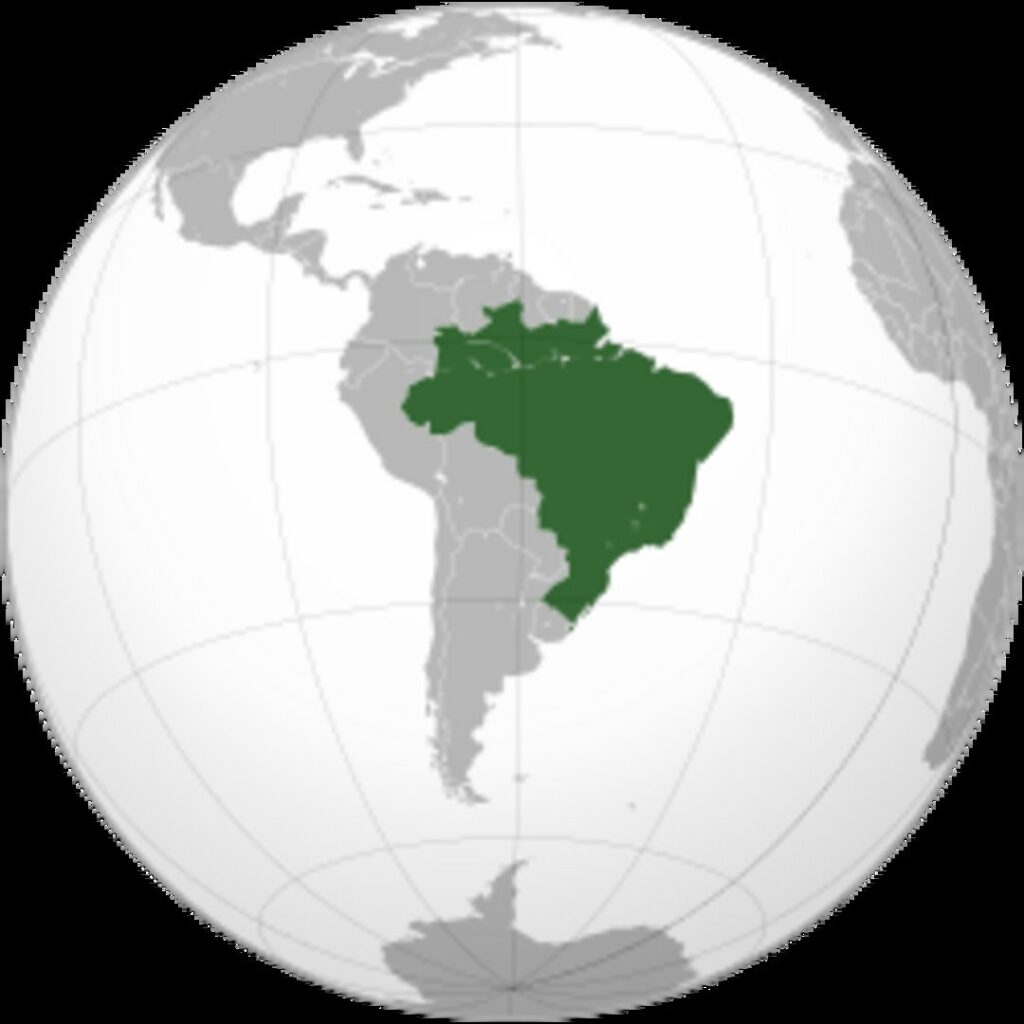
Goiás Emerges as a Strategic Rare Earth Hub
The latest development involves U.S.-based Ultra Rare Earth, which has reportedly reached an agreement to acquire (opens in a new tab) full control of Appia Brasil Rare Earths Mineração, owner of the PCH (Projeto Cachoeirinha) rare earth project in Goiás State. Under the proposed transaction, Canadian-listed Appia Rare Earths would retain a minority ownership interest through a share-swap arrangement while Ultra gains direct or indirect control of multiple Goiás-based rare earth assets covering approximately 42,932 hectares.
The deal is part of a broader pattern of foreign investment flowing into Brazil's rare earth sector. Brazil possesses some of the world's largest rare earth resources and is increasingly viewed as a potential alternative source of supply for Western nations seeking to reduce dependence on Chinese-controlled supply chains.
Particularly attractive are Brazil's ionic clay-hosted rare earth deposits, which share similarities with the deposits that helped establish China's dominance in heavy rare earth production. These materials—including dysprosium and terbium—are essential inputs for permanent magnets used in electric vehicles, robotics, advanced electronics, renewable energy systems, and defense technologies.
Government Capital Enters the Supply Chain Race
The report also highlights a memorandum of understanding (opens in a new tab) between Terra Brasil Minerals and the U.S. International Development Finance Corporation (DFC), the U.S. government's development finance agency. According to local media reports, the DFC may acquire a minority stake in one of Brazil's major phosphorus-titanium-potassium-rare earth projects.
The potential investment follows a growing pattern of DFC involvement in critical mineral projects globally. Washington increasingly views mineral supply chains as strategic infrastructure, and government-backed financing has become an important tool for supporting projects considered vital to economic and national security interests. Recent coverage also references prior DFC support for rare earth projects in Brazil, underscoring the agency's expanding role in helping develop alternative supply sources outside China.
A key development omitted from many discussions is the role played by the U.S. DFC in reshaping ownership and supply-chain dynamics around Brazil's Serra Verde rare earth operation. The DFC approved a $565 million financing package to support expansion of the Pela Ema mine in Goiás while helping Serra Verde unwind legacy Chinese offtake arrangements. The financing included provisions that could give the U.S. government priority access to critical heavy rare earths such as dysprosium and terbium and support an increase in annual production from roughly 5,000 to 6,500 metric tons of total rare earth oxides by 2027 (a target REEx has stated will be a stretch but possible).
Building on that foundation, USA Rare Earth announced a definitive agreement in April 2026 to acquire Serra Verde in a transaction valued at approximately $2.8 billion, combining cash and stock consideration. If completed, the deal would create one of the most significant Western mine-to-magnet platforms outside China, linking Brazilian rare earth production with U.S. processing and magnet manufacturing ambitions. The transaction also reportedly includes a 15-year offtake arrangement designed to provide long-term supply security for key magnetic rare earth elements, underscoring the growing role of government-backed capital and strategic industrial policy in the emerging competition for critical mineral supply chains.
More Positioning Than Production
Importantly, none of the developments described constitute a technological breakthrough, major new discovery, or immediate increase in rare earth supply. No new separation facilities, refining capacity, metallurgical plants, or magnet manufacturing operations were announced. China's dominant position in rare earth separation, refining, alloy production, and magnet manufacturing remains largely unchanged. Instead, the significance lies in positioning. Governments and companies are competing today for access to resources that could become increasingly valuable as geopolitical competition intensifies and supply-chain security becomes a higher strategic priority.
The Bigger Story: Great Powers Era 2.0
Taken individually, these transactions may appear incremental. Viewed collectively, however, they suggest a broader strategic shift. Western governments, development finance institutions, and private investors are moving to secure future rare earth feedstock from jurisdictions viewed as politically aligned and resource-rich.
Whether these investments ultimately translate into competitive mine-to-magnet supply chains remains uncertain. Developing a mine is only the first step. The far greater challenge remains building the processing, refining, metallurgical, manufacturing, workforce, and technological capabilities needed to compete with China's deeply integrated rare earth ecosystem.
Nevertheless, the direction of travel is becoming clearer. In the emerging Great Powers Era 2.0, critical minerals are no longer merely commodities. They are strategic assets, and Brazil is increasingly finding itself at the center of the competition to secure the industrial systems that will underpin economic strength, technological leadership, and national security in the decades ahead.
Register today: REEx Marketplace™ (opens in a new tab)
Discover companies, projects, pricing intelligence, and opportunities across the global rare earth value chain at the REEx Marketplace: https://marketplace.rareearthexchanges.com/signup (opens in a new tab)


0 Comments
No replies yet
Loading new replies...
Moderator
Join the full discussion at the Rare Earth Exchanges Forum →