
Highlights
- China Minmetals Chairman Chen Dexin outlined a mission to secure China's strategic metal supply across every stage from exploration to sales.
- Central South University will expand joint research, advanced materials development, and talent pipelines with Minmetals to accelerate lab-to-industry commercialization.
- China's 'four-chain' strategy integrates innovation, industry, capital, and talent into a coordinated national system for critical minerals dominance.
- Unlike Western efforts focused on financing mines and factories, China invests heavily in the institutional infrastructure of university partnerships and applied research networks.
- The meeting signals China's whole-of-system approach to strategic minerals, aligning academia, state industry, and government policy into a unified framework.
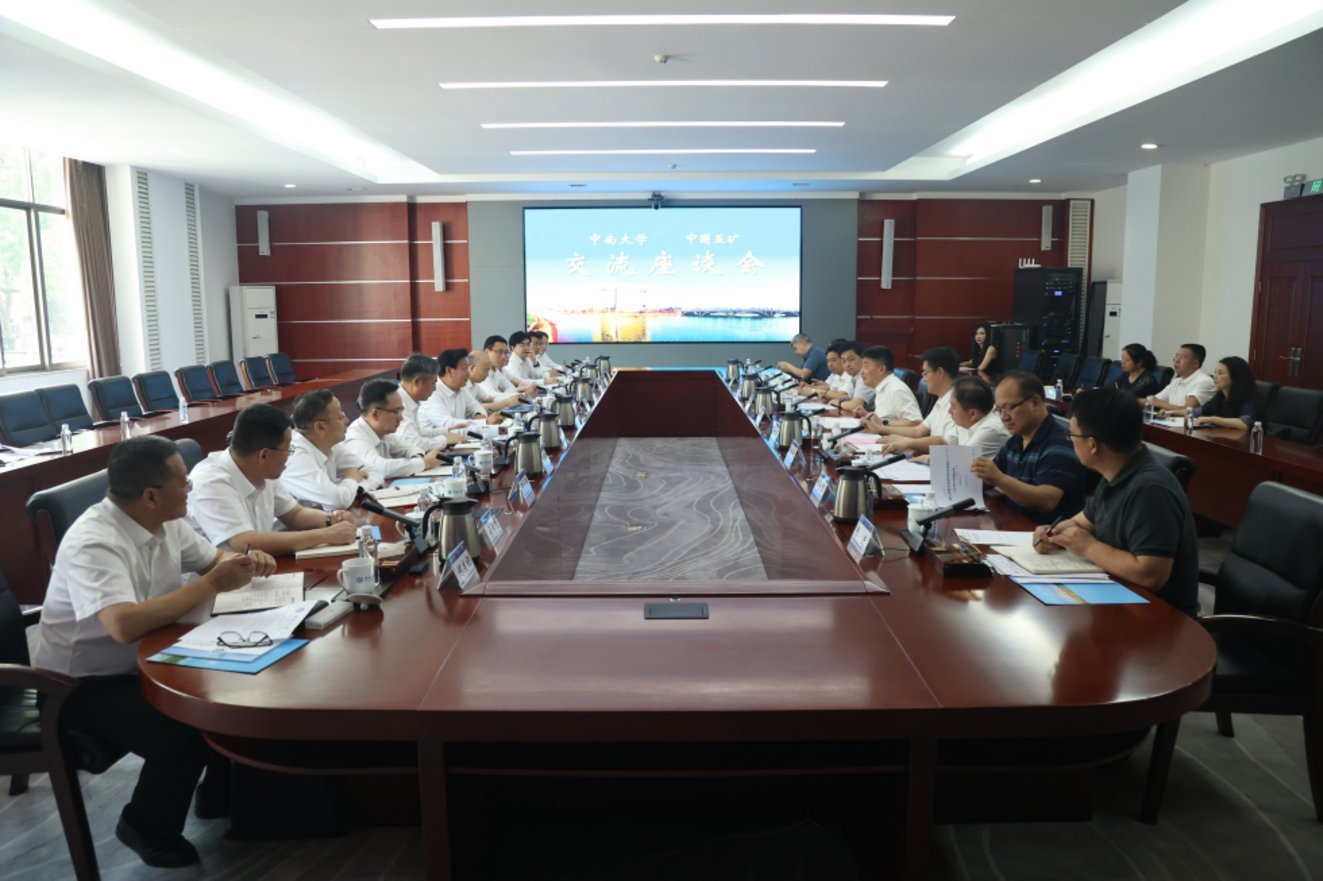
China's largest state-owned metals and mining conglomerate is strengthening ties with one of the country's premier mining and metallurgy universities, underscoring Beijing's long-term commitment to securing leadership across the entire critical minerals supply chain. During a June 2 meeting in Changsha, executives from China Minmetals Corporation (opens in a new tab) and Central South University (opens in a new tab) pledged to deepen cooperation in research, technology development, commercialization, and talent cultivation. While no specific projects were announced, the language used by both parties offers insight into how China continues to integrate industry, academia, and government priorities in strategic sectors.
A Blueprint for Resource Security
China Minmetals Chairman Chen Dexin described the company's mission as safeguarding China's supply and security of strategic metal and mineral resources. Significantly, Chen emphasized that the company has built capabilities spanning the entire industrial chain—from geological exploration and mine development to smelting, processing, logistics, research and development, and financial services. He stated that Minmetals is working to strengthen China's ability to manage strategic resources across every stage: exploration, production, supply, reserves, and sales.
For Western observers, this is perhaps the most important takeaway. The discussion was not about individual mines or commodities. It was about building a fully integrated national resource system.
University Meets Industry
Central South University occupies a unique position in China's mining ecosystem. The institution is widely regarded as one of the country's leading centers for geology, mining engineering, metallurgy, materials science, and mineral processing.
University officials highlighted plans to expand collaboration with Minmetals in:
- Joint research programs
- Technical problem-solving
- Commercialization of research
- Advanced materials development
- Talent recruitment and training
- Shared research platforms and laboratories
The goal is to accelerate the movement of scientific discoveries from laboratory research into industrial production.
The Four-Chain Strategy
One phrase stood out in the announcement: the integration of the "innovation chain, industrial chain, capital chain, and talent chain." This concept increasingly appears throughout China's industrial policy framework. Rather than treating research, financing, manufacturing, and workforce development as separate activities, policymakers seek to connect them into a coordinated system supporting national strategic objectives. The result is often faster commercialization of technologies and a closer alignment between academic research and industrial demand.
Why It Matters for the West
No breakthrough technology, rare earth discovery, or commercial agreement emerged from this meeting. However, the announcement provides a valuable glimpse into the institutional architecture supporting China's critical minerals strategy.
While the United States and Europe focus heavily on financing mines, processing plants, and magnet factories, China continues investing in the less visible infrastructure that underpins industrial competitiveness: university partnerships, talent pipelines, applied research networks, and coordinated technology transfer.
The broader message is clear: China views strategic minerals as a whole-of-system challenge, and it continues to organize academia, industry, and capital accordingly.
Disclaimer: This report is based on information published by China Minmetals, a Chinese state-owned enterprise. The statements reflect official corporate and government-aligned perspectives. Any claims regarding strategic objectives, future cooperation, research outcomes, or industrial impact should be independently verified before being relied upon for investment, policy, or business decisions.
Register today: REEx Marketplace™ (opens in a new tab)
Discover companies, projects, pricing intelligence, and opportunities across the global rare earth value chain at the REEx Marketplace: https://marketplace.rareearthexchanges.com/signup (opens in a new tab)


0 Comments
No replies yet
Loading new replies...
Moderator
Join the full discussion at the Rare Earth Exchanges Forum →