
Highlights
- Monazite recovered from Kasiya's existing processing stream contains unusually high concentrations of dysprosium, terbium, and yttrium—three critically strategic heavy rare earth elements.
- The by-product recovery requires no additional mining or new primary processing circuit, offering a potentially low-cost path to heavy rare earth production.
- Rio Tinto holds a 19.9% strategic stake in Sovereign Metals, lending credibility and technical support to the Kasiya project's development.
- Downstream separation, radioactive element management, and refining pathways remain under evaluation—concentrate value does not guarantee commercial rare earth success.
- Geopolitical demand for non-Chinese heavy rare earth supply strengthens Kasiya's strategic appeal to governments and development finance institutions.
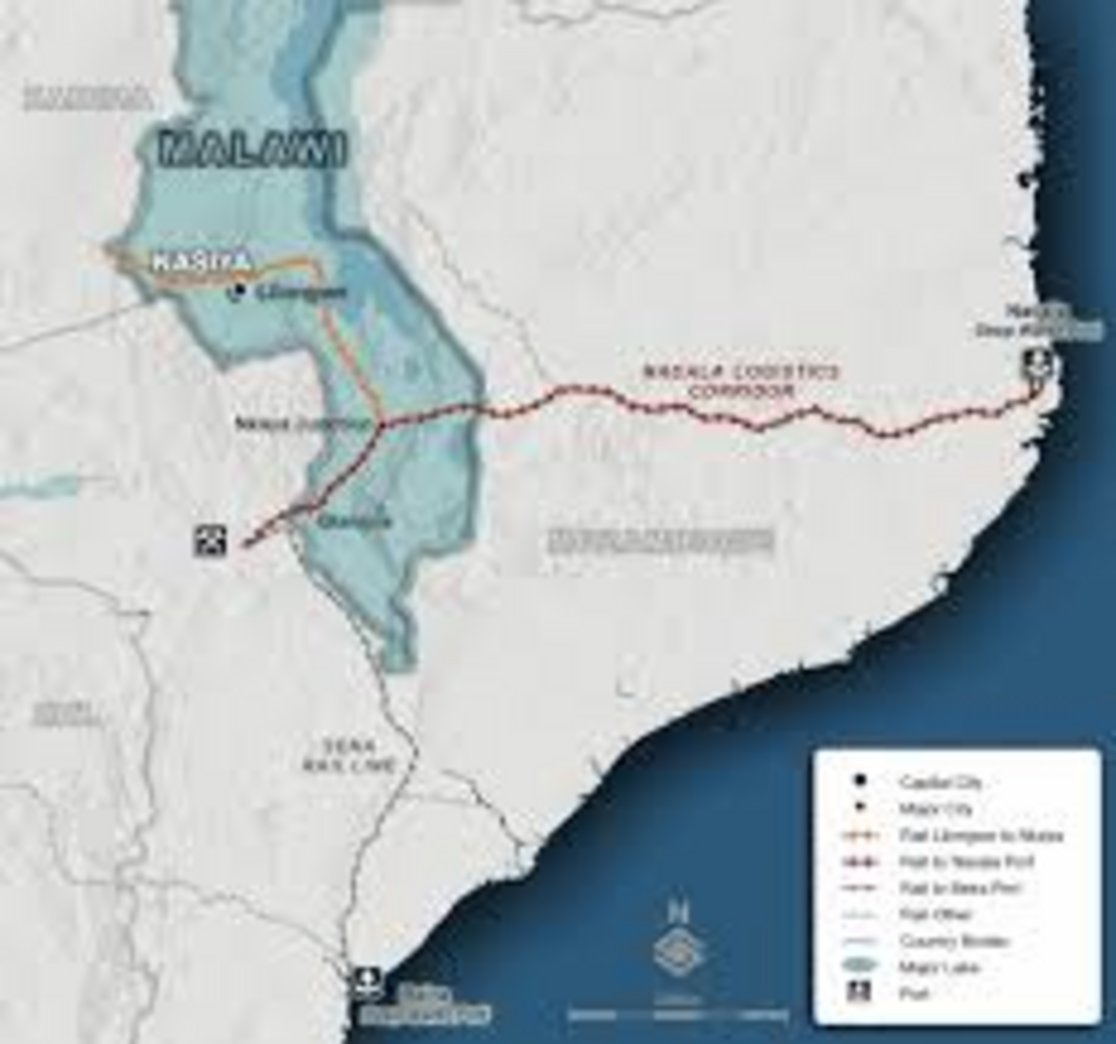
Sovereign Metals Limited (opens in a new tab) (ASX: SVM; AIM: SVML; OTCQX: SVMLF) has disclosed that monazite recovered from its Kasiya Rutile-Graphite Project in Malawi contains unusually high concentrations of dysprosium, terbium, and yttrium—three of the most strategically important heavy rare earth elements. Because the monazite would be recovered from an existing processing stream rather than a standalone rare earth operation, the discovery could materially enhance project economics. The opportunity is intriguing, but investors should distinguish between promising metallurgy and proven commercial value.
The Treasure Hidden in Plain Sight
Sometimes the most valuable mineral isn't the one investors came looking for.
Kasiya has long been promoted as one of the world's largest undeveloped natural rutile deposits and a major graphite project. Now Sovereign says monazite recovered from the project's planned processing circuit contains a rare heavy rare earth profile, with dysprosium, terbium, and yttrium concentrations significantly higher than the average rare earth basket composition reported by the world's largest producers.
If those characteristics translate into recoverable commercial products, the implications could be significant.
Heavy rare earths remain among the most strategically constrained materials in global supply chains, particularly outside China.
The By-Product Advantage
The most compelling aspect of the announcement is not the rare earth content itself. According to Sovereign, the monazite would be recovered from non-conductor tailings already generated within the Kasiya flowsheet. No additional mining operation and no new primary processing circuit would be required. That distinction matters because many rare earth projects struggle under the weight of capital-intensive standalone processing facilities. Yet caution remains warranted. Recovery rates, downstream separation costs, radioactive element management, refining pathways, and final product specifications remain under evaluation. A valuable concentrate is not automatically a profitable rare earth business.
Where the Excitement Meets Reality
The article correctly identifies growing geopolitical demand for non-Chinese heavy rare earth supply. However, it places greater emphasis on financing upside than on downstream execution risk. The world's problem is not finding monazite.
The world's problem is converting concentrates into separated oxides, metals, alloys, and ultimately magnets. That remains the bottleneck.
The REEx Take
Kasiya's rare earth potential deserves serious attention because it could create a meaningful heavy rare earth by-product stream with relatively low incremental mining costs. Combined with the project's existing rutile and graphite exposure, the rare earth component broadens its strategic appeal to governments, development finance institutions, and industrial buyers seeking diversified critical mineral supply.
But investors should remember: this is still an emerging opportunity, not yet a defined rare earth business.
In today's rare earth economy, the mine may attract attention. The refining plant still determines who wins.
Company Profile: Sovereign Metals Limited
Ticker Symbols: ASX: SVM | AIM: SVML | OTCQX: SVMLF
Founded in 2006 and headquartered in Perth, Western Australia, Sovereign Metals is a mineral development company focused on the Kasiya Rutile-Graphite Project in Malawi. The company is advancing what it describes as one of the world's largest natural rutile deposits and one of the largest flake graphite resources globally. Sovereign's strategic profile was elevated significantly when Rio Tinto acquired a 19.9% stake in the company and established a technical collaboration to help advance project development. Today, Kasiya is increasingly being viewed not only as a titanium and graphite story, but potentially as an emerging heavy rare earth by-product opportunity as well.
Sovereign Metals has a diversified shareholder base anchored by strategic investor Rio Tinto, which holds approximately 19.9% of the company. Beyond Rio Tinto, ownership is distributed among retail investors, institutions, and company insiders, with no shareholder holding a majority stake. Insider ownership provides management alignment with shareholders, including holdings by Executive Chairman Julian Stephens and other directors and executives. Additional institutional investors have included firms such as Sprott and other resource-focused investment managers, though individual ownership percentages can change over time. Overall, Sovereign's register combines strategic mining capital, institutional investors, and retail shareholders, creating a relatively broad ownership structure while preserving meaningful strategic support through Rio Tinto's investment.


0 Comments
No replies yet
Loading new replies...
Moderator
Join the full discussion at the Rare Earth Exchanges Forum →