
Highlights
- Askari Metals' K9 pegmatite target in Namibia returned results including up to 4,050 ppm tin, 0.29% lithium oxide, and 479 ppm cesium across 950 meters.
- No JORC-compliant mineral resource has been defined; the Uis Project remains an early-stage exploration asset with significant work still required.
- The project sits within the Cape Cross-Uis Pegmatite Belt, adjacent to Andrada Mining's producing Uis Tin Mine, boosting regional credibility.
- Namibia's stable regulations, established infrastructure, and deep-water port access at Walvis Bay make it an increasingly attractive critical minerals jurisdiction.
- Geopolitical pressure to diversify critical mineral supply chains is drawing investor attention to multi-metal districts like Namibia's Erongo Region.
Askari Metals Ltd. (ASX: AS2 (opens in a new tab)) has reported encouraging trenching results from its 100%-owned Uis Polymetallic Project in Namibia (opens in a new tab), highlighting a 950-meter mineralized corridor containing tin, lithium, tantalum, rubidium, and cesium. While the announcement does not establish an economic deposit, it reinforces Namibia's growing role as a critical minerals hub and underscores why investors are increasingly focusing on jurisdictions capable of supplying multiple strategic materials from a single mining district.
A Long Shadow Beneath the Desert
The most interesting discoveries often begin with a trench, not a mine.
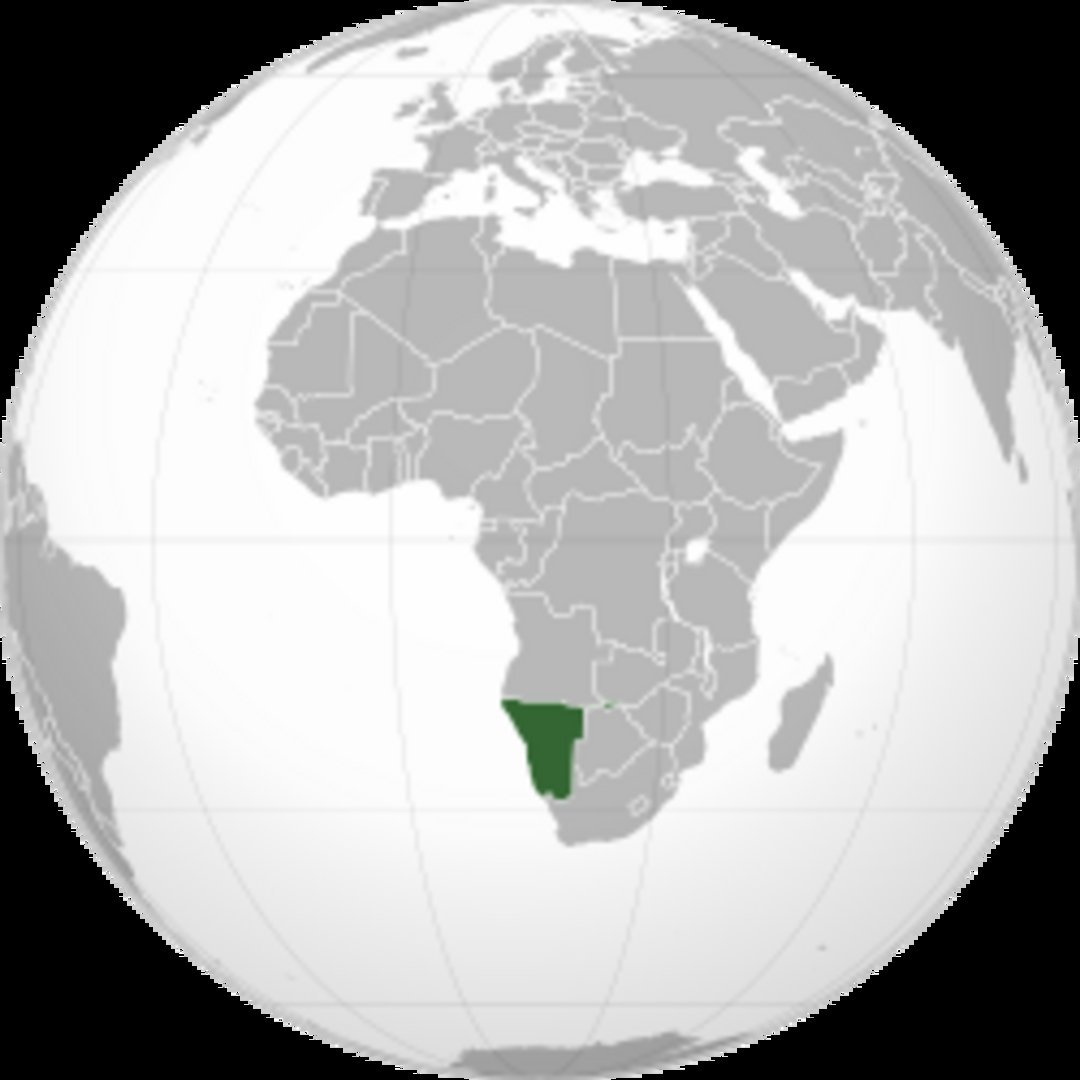
Askari Metals has reported continuous mineralization across approximately 950 meters at its K9 pegmatite target within the Uis Project in Namibia's Erongo Region. Reported results include up to 4,050 ppm tin, 0.29% lithium oxide, 215 ppm tantalum, 2,380 ppm rubidium, and 479 ppm cesium. For a lay investor, the takeaway is straightforward: geologists are finding multiple critical minerals in the same rock system, increasing the possibility of future economic value.
But possibility is not certainty.
What Investors Need to Know About Askari
Askari Metals is an Australian-listed exploration company focused primarily on lithium and critical minerals opportunities across Africa and Australia. The Uis Project remains an early-stage exploration asset. Importantly, this is not yet a resource story. No JORC-compliant mineral resource has been defined for K9. The company is still advancing drilling, geological modeling, and metallurgical understanding.
The market is currently valuing potential, not proven economics.
The Neighborhood Matters
One reason investors are paying attention is location. The project sits within Namibia's Cape Cross-Uis Pegmatite Belt, adjacent to the producing Uis Tin Mine operated by Andrada Mining (LSE: ATM; AIM: ATM (opens in a new tab)). The region has emerged as one of Africa's more promising hard-rock lithium and tin districts, benefiting from relatively stable mining regulations, established infrastructure, and access to the deep-water port of Walvis Bay.
Geography does not guarantee success. It does improve the odds.
The Players to Watch
Several companies are helping transform Namibia into a critical minerals jurisdiction:
- Askari Metals — Early-stage explorer advancing the Uis Polymetallic Project.
- Andrada Mining — Operator of the neighboring Uis Tin Mine and one of Namibia's leading tin-lithium developers.
- Leo Lithium — Helped attract broader investor attention to African lithium.
- Arcadia Minerals — Active across lithium, rare earths, and battery metals.
- Osino Resources — Demonstrates continued international capital interest in Namibian mining assets.
The Rare Earth Connection Nobody Mentioned
Curiously, this is not a rare earth story. Yet it matters to rare earth investors.
The same geopolitical forces driving lithium, tantalum, and specialty-metal demand are reshaping rare earth supply chains. Governments increasingly want jurisdictions capable of producing multiple critical minerals from politically stable regions.
Namibia fits that description.
The REEx Take
A recent profile in Crux Investor (opens in a new tab) correctly highlights encouraging exploration results and Namibia's growing strategic importance. What it does not prove is commercial viability. Investors still need drilling, resource estimates, metallurgy, permitting, and ultimately feasibility studies.
In resource investing, geology opens the door. Economics decides who walks through it.


0 Comments
No replies yet
Loading new replies...
Moderator
Join the full discussion at the Rare Earth Exchanges Forum →