
Highlights
- Kazakhstan used the C5+1 Critical Minerals Dialogue and Astana Mining Congress to demand processing plants, technology transfer, and manufacturing capacity—not just mining rights.
- Critical minerals are strategic because of processing, not geology; China's dominance stems from decades of refining and downstream manufacturing investment that Kazakhstan must now replicate.
- The country has committed roughly $470 million for geological exploration but still lacks a fully developed rare earth separation, alloying, and magnet manufacturing ecosystem.
- Key state actors including Samruk-Kazyna, Tau-Ken Samruk, and Minister Nagaspayev are coordinating industrial policy, while global firms like Rio Tinto and Ivanhoe Mines explore positions in Kazakhstan.
- Whether Kazakhstan can bridge the gap between resource ownership and industrial leadership will be one of the most consequential critical minerals stories of the decade.
The old globalization model rewarded countries that dug minerals out of the ground and shipped them elsewhere for processing. Kazakhstan is signaling that era may be ending. This week in Astana, government officials used both the C5+1 Critical Minerals Dialogue and the Astana Mining & Metallurgy Congress to deliver a clear message: Kazakhstan wants more than extraction. It wants processing plants, technology transfer, manufacturing capacity, and a larger role in the strategic supply chains now being reshaped by U.S.-China competition.
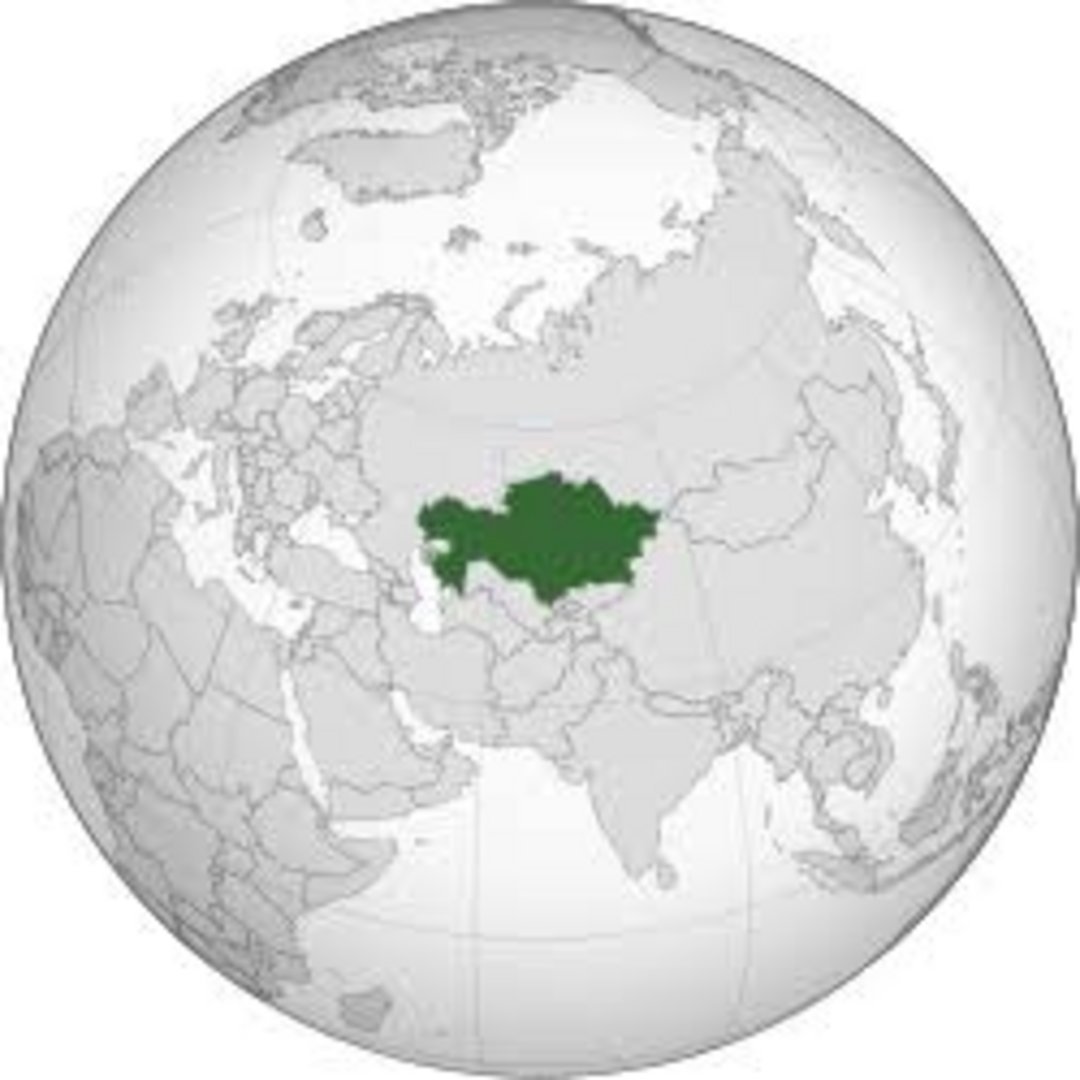
The Geology Is Real
A piece from The Times of Central Asia (opens in a new tab) accurately highlights Kazakhstan's impressive mineral endowment. The country possesses significant tungsten, molybdenum, lithium, beryllium, tantalum, niobium, titanium, and rhenium resources, along with growing rare earth potential. Kazakhstan's position between Europe and Asia and its role in the Middle Corridor transportation route are genuine strategic advantages.
The announcement of approximately $470 million for geological exploration and continued digitization of geological data also demonstrates serious government commitment.
The Missing Link: Processing Wins the Game
Here's what many mainstream discussions still understate.
Critical minerals are not rare because of geology. They are strategic because of processing.
Kazakhstan may have thousands of deposits, but deposits alone do not create industrial power. China's dominance stems from decades of investment in separation, refining, metallurgical know-how, magnet production, and downstream manufacturing ecosystems. The article references processing ambitions but largely avoids the scale of the challenge. Building a mine is difficult. Building a globally competitive industrial ecosystem is far harder.
This is where Great Powers Era 2.0 enters the picture. Nations are increasingly prioritizing resilience, security, and supply chain control over pure efficiency. Kazakhstan appears determined to leverage this shift.
The Diplomatic Courtship
Rare Earth Exchanges® has reported on growing U.S. interest in Central Asia as Washington seeks alternatives to Chinese-dominated supply chains. Yet investors should recognize that this is not simply an economic story. It is a geopolitical one. The United States seeks diversification. Kazakhstan seeks industrialization. Both goals align—for now. The question is whether Western capital and technology partners will commit at the scale necessary to move Kazakhstan beyond raw material exports.
Where Optimism Meets Reality
The reporting is largely factual and balanced, but it assumes that deposits, diplomatic interest, and industrial policy naturally translate into value-added manufacturing. History suggests otherwise. Kazakhstan's ambitions will ultimately be measured not by conference announcements but by smelters built, processing plants commissioned, engineers trained, electricity secured, and customers signed. The country has correctly identified the prize: moving up the value chain. Whether it can bridge the enormous gap between resource ownership and industrial leadership remains one of the most important critical minerals stories to watch this decade.
REEx Bottom Line: Kazakhstan is making a serious bid to become more than a mining jurisdiction. In the Great Powers Era 2.0, countries that control processing and manufacturing—not just deposits—will capture the greatest strategic and economic value. Kazakhstan understands the challenge. Now comes the difficult part.
The Emerging Kazakh Critical Minerals Ecosystem
Kazakhstan's critical minerals strategy is not being driven by geology alone—it is increasingly coordinated through a growing ecosystem of government ministries, state-owned enterprises, research institutions, and international mining partners. At the center is President Kassym-Jomart Tokayev (opens in a new tab), who has repeatedly called for deeper processing and value-added manufacturing rather than continued dependence on raw material exports. Much of the execution falls to the Ministry of Industry and Construction of Kazakhstan, led by Minister Yersayin Nagaspayev (opens in a new tab), which oversees mining policy, industrial development, and critical minerals initiatives. Prime Minister Olzhas Bektenov (opens in a new tab) has become a leading advocate for expanding domestic smelting, refining, and metallurgical capacity, while the state investment holding company Samruk-Kazyna (opens in a new tab) and its mining subsidiary Tau-Ken Samruk (opens in a new tab) play central roles in project development and strategic partnerships. Supporting the effort are organizations such as the National Center for Technological Forecasting (opens in a new tab), which helps identify priority critical mineral opportunities, and the Astana Mining & Metallurgy Congress (opens in a new tab) (AMM), which increasingly serves as a convening platform linking government, investors, and industry.
On the corporate side, Kazakhstan is attracting an increasingly diverse mix of global mining and industrial players. Major international firms including Rio Tinto (opens in a new tab), Barrick Gold (opens in a new tab), First Quantum Minerals (opens in a new tab), Ivanhoe Mines (opens in a new tab), Teck Resources (opens in a new tab), Fortescue (opens in a new tab), and Cove Capital have established or explored positions in the country. Kazakhstan's industrial champions include copper producer Kazakhmys (opens in a new tab), uranium giant Kazatomprom (opens in a new tab), steelmaker Qarmet (opens in a new tab), and a growing network of metallurgical processors focused on copper, ferroalloys, titanium, beryllium, and rare metals. What remains notably absent, however, is a fully developed rare earth separation, metal-making, alloying, and magnet manufacturing ecosystem. That gap represents both Kazakhstan's greatest challenge and potentially its greatest opportunity in the emerging Great Powers Era 2.0, where nations increasingly compete not for ownership of mineral deposits alone, but for control of the industrial capabilities that transform rocks into strategic products.
Register today: REEx Marketplace™ (opens in a new tab)
Discover companies, projects, pricing intelligence, and opportunities across the global rare earth value chain at the REEx Marketplace: https://marketplace.rareearthexchanges.com/signup (opens in a new tab)


0 Comments
No replies yet
Loading new replies...
Moderator
Join the full discussion at the Rare Earth Exchanges Forum →