
Highlights
- Proterial will invest ₹2,250 crore (~$260M) to build a 1,200-tonne-per-year NdFeB magnet facility in Andhra Pradesh, India.
- The plant targets critical sectors including electric vehicles, wind turbines, robotics, aerospace, and defense systems.
- A key unanswered question is feedstock sourcing, as China still dominates rare earth separation, refining, and alloy production.
- The investment reflects deepening alignment among India, Japan, the US, Australia, and Europe on critical mineral supply chain resilience.
- Analysts warn that building a magnet plant is far easier than establishing a fully independent mine-to-magnet ecosystem competitive with China.
Japan's Proterial plans to invest ₹2,250 crore (approximately US$260–265 million) in a rare earth permanent magnet manufacturing facility in Andhra Pradesh, India. The proposed plant would produce 1,200 tonnes per year of NdFeB (neodymium-iron-boron) magnets, critical components used in electric vehicles, wind turbines, industrial automation, robotics, aerospace, electronics, and defense systems. The announcement represents a meaningful step toward building rare earth supply chains outside China. But investors should distinguish between constructing a magnet plant and establishing a fully independent rare earth ecosystem. The former is difficult. The latter is far harder.
Andhra Pradesh, India
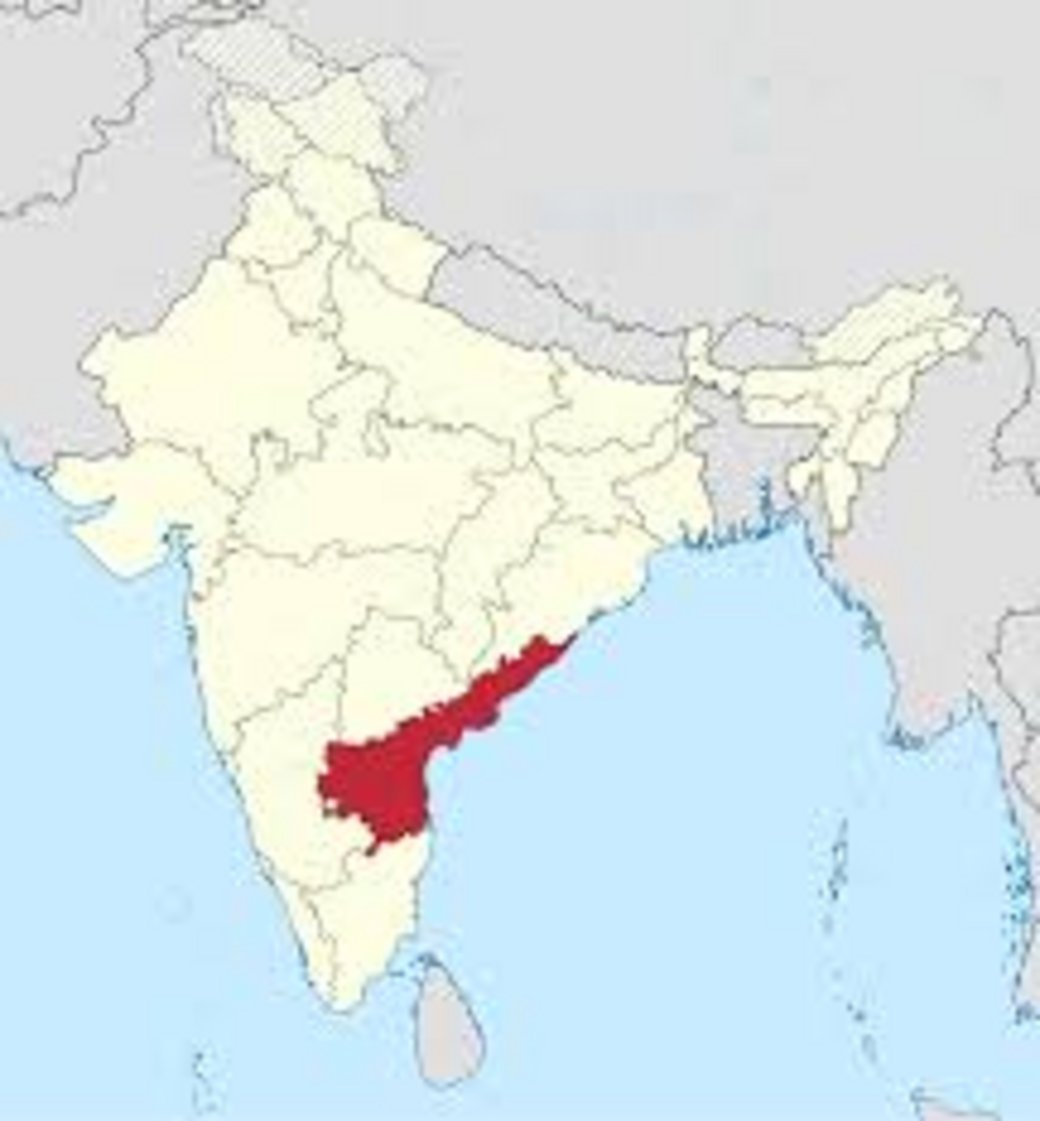
A Magnet Factory With Strategic Weight
A magnet factory may not sound like front-page geopolitical news. In Great Powers Era 2.0, however, supply chains increasingly determine national power. A magnet plant can be as strategically important as a mine. Proterial—formerly Hitachi Metals—is one of the pioneers of NdFeB magnet technology and remains a globally respected supplier of advanced magnetic materials. Its decision to manufacture in India reflects growing efforts by governments and industry to diversify critical mineral supply chains beyond China.
That alone makes this development significant.
The Question Hidden Between the Headlines
The Economic Times report is largely accurate. India is actively promoting domestic rare earth manufacturing, and NdFeB magnets remain among the most strategically important products in the modern economy. Yet one question remains unanswered:
Where will the feedstock come from?
Magnets require separated rare earth oxides, metals, and alloys. China continues to dominate rare earth separation, refining, metallization, alloy production, and magnet manufacturing. Building a magnet plant is challenging. Building a competitive mine-to-magnet ecosystem is exponentially harder.
More Than a Factory
India possesses rare earth resources and increasingly ambitious industrial policy. Japan brings decades of engineering expertise, intellectual property, manufacturing know-how, and customer relationships.
Together they may help create a viable alternative supply chain. But success will ultimately depend on securing long-term NdPr supply, developing metallization and alloy capacity, cultivating technical talent, and competing against deeply entrenched Chinese producers operating at massive scale.
Why Investors Should Care
The real story is not a factory in Andhra Pradesh. It is the accelerating alignment among India, Japan, the United States, Australia, and Europe around critical mineral security.
For decades, rare earth supply chains optimized for efficiency. Today they are optimizing for resilience. Proterial's investment is another reminder that the future contest is not simply over rare earth deposits. It is over the industrial systems that transform those deposits into economic strength, technological leadership, and strategic power.
Register today: REEx Marketplace™ (opens in a new tab)
Discover companies, projects, pricing intelligence, and opportunities across the global rare earth value chain at the REEx Marketplace: https://marketplace.rareearthexchanges.com/signup (opens in a new tab)


0 Comments
No replies yet
Loading new replies...
Moderator
Join the full discussion at the Rare Earth Exchanges Forum →