
Highlights
- DuctGPT is a physics-informed AI designed to predict ductility in refractory alloys for fusion and aerospace—not to discover permanent magnets.
- Media coverage claiming an AI rare-earth-free magnet breakthrough misrepresents the study, which never demonstrates a replacement for NdFeB technology.
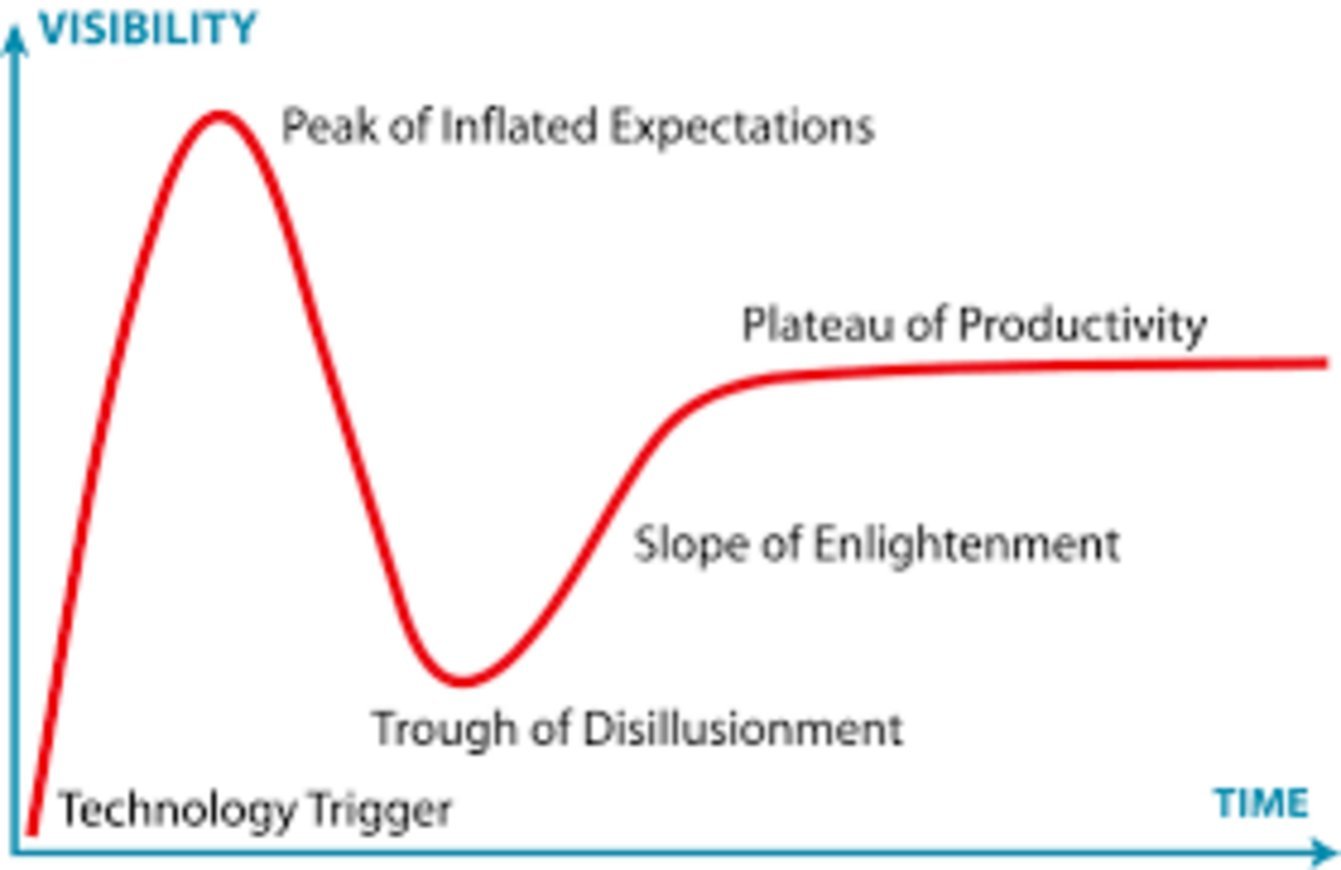
- Rare-earth-free permanent magnet substitutes remain near the Technology Trigger stage of the Gartner Hype Cycle, far from commercial viability.
- China still controls 85–90% of rare earth separation and roughly 90% of magnet manufacturing, underscoring continued rare earth market relevance.
- AI-driven materials discovery is a genuine enabling technology, but investors must distinguish future potential from present results.
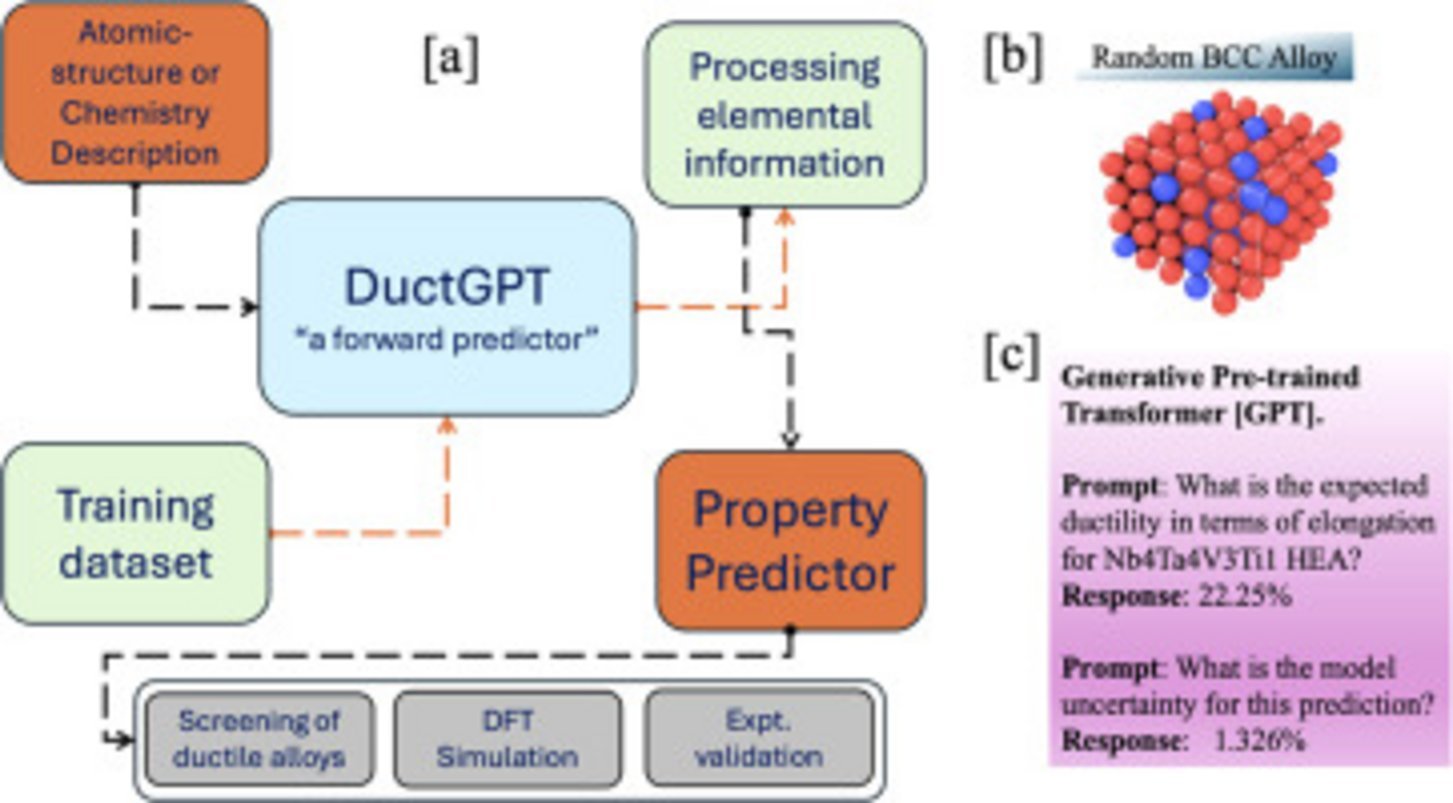
A popular technology article (opens in a new tab) claims that a new AI breakthrough from Ames National Laboratory could lead to magnets without rare earth elements. The underlying scientific paper (opens in a new tab) tells a different story. The research introduces DuctGPT (opens in a new tab), a physics-informed generative AI system designed to accelerate the discovery of advanced high-temperature alloys for fusion, aerospace, and extreme-environment applications. The study does not report the discovery of a rare-earth-free permanent magnet, nor does it demonstrate a replacement for today's NdFeB magnet technology. While the platform could eventually help discover novel magnetic materials, investors should distinguish between what the paper actually says and what headline writers wish it said.
When the Headline Outruns the Science
The dream is irresistible. Imagine a world where electric vehicles, wind turbines, robots, drones, and fighter jets no longer depend on rare earth magnets. Investors, governments, and manufacturers have pursued that goal for decades.
That is why a recent article proclaiming that AI may lead to rare-earth-free magnets attracted attention. The problem? The underlying study is not about magnets.
What DuctGPT Actually Does
The Ames National Laboratory team developed DuctGPT, a physics-informed generative transformer designed to predict ductility in refractory multi-principal element alloys (MPEAs). These are advanced materials intended for extreme environments such as fusion reactors, turbine engines, aerospace systems, and other high-temperature applications.
Rather than searching for magnetic materials, DuctGPT was trained to evaluate how alloy composition, electronic structure, elastic properties, and thermodynamic characteristics influence ductility. The researchers screened more than 1,000 alloy compositions and demonstrated that the model could rapidly identify promising candidates for further investigation.
That is a significant advance in materials science.
It is not a rare-earth-free magnet breakthrough.
The Missing Leap
Somewhere between the scientific paper and the media coverage, a critical leap occurred.
The study demonstrates an AI platform capable of accelerating materials discovery. It does not demonstrate:
- A rare-earth-free permanent magnet
- A replacement for NdFeB magnets
- A commercial magnetic material
- A pathway to eliminate rare earth dependence
Those are future possibilities, not current results.
The distinction matters.
History is full of materials that showed promise in a laboratory but never survived the brutal economics of industrial production.
Gartner Hype Cycle: Still at the Starting Line
From a Gartner Hype Cycle perspective, AI-assisted materials discovery is real and advancing rapidly.
Rare-earth-free permanent magnet replacement technologies, however, remain near the Technology Trigger stage rather than the Peak of Inflated Expectations.
Source: Wikipedia
The market does not need another interesting material.
It needs a material that is stronger, cheaper, manufacturable, scalable, certifiable, financeable, and capable of outperforming NdFeB magnets across demanding applications. No such material was presented in this study.
Why Rare Earth Investors Should Care Anyway
The real significance of DuctGPT lies elsewhere.
AI may dramatically shorten the time required to discover, evaluate, and optimize next-generation materials. That capability could eventually produce new magnetic materials, improved permanent magnets, or substitutes that reduce dependence on critical rare earth elements.
But "eventually" is doing a lot of work in that sentence. For now, the global economy still runs on rare earth magnets, and China continues to dominate approximately 85–90% of rare earth separation capacity and roughly 90% of magnet manufacturing.
Bottom Line
The science is real. The AI platform is impressive. The headline is ahead of the evidence. DuctGPT represents an important step forward in AI-driven materials discovery. It does not represent a breakthrough in rare-earth-free permanent magnets. Investors should view this development as an enabling technology that may accelerate future discoveries—not as evidence that the rare earth magnet industry is about to be disrupted.
Sources
Guduru, S.P.R., Kekung, M.O., Ott, R.T., Roy, S., Singh, P. "DuctGPT: A Generative Transformer for Forward Screening of Ductile Refractory Multi-Principal Element Alloys." Acta Materialia, Volume 304, 2026, Article 121763. DOI: 10.1016/j.actamat.2025.121763.
BGR, "This New Scientific Breakthrough Could Lead To Magnets Without Any Rare Earth Metals" (June 17, 2026).
Register for REEx Marketplace™: https://marketplace.rareearthexchanges.com (opens in a new tab)


0 Comments
No replies yet
Loading new replies...
Moderator
Join the full discussion at the Rare Earth Exchanges Forum →