
Highlights
- IDB President Ilan Goldfajn met privately with Pope Leo XIV to advocate for responsible critical mineral development across Latin America.
- The Vatican remains skeptical of mining due to Latin America's history of environmental damage, corruption, and Indigenous community displacement.
- Brazil holds the world's second-largest rare earth reserves, yet processing and refining bottlenecks—dominated by China—remain the true strategic challenge.
- Future rare earth projects will require social legitimacy and community trust alongside permits and capital to succeed in the region.
- Investors should weigh social license risks as seriously as geological and financial factors when evaluating Latin American critical mineral opportunities.
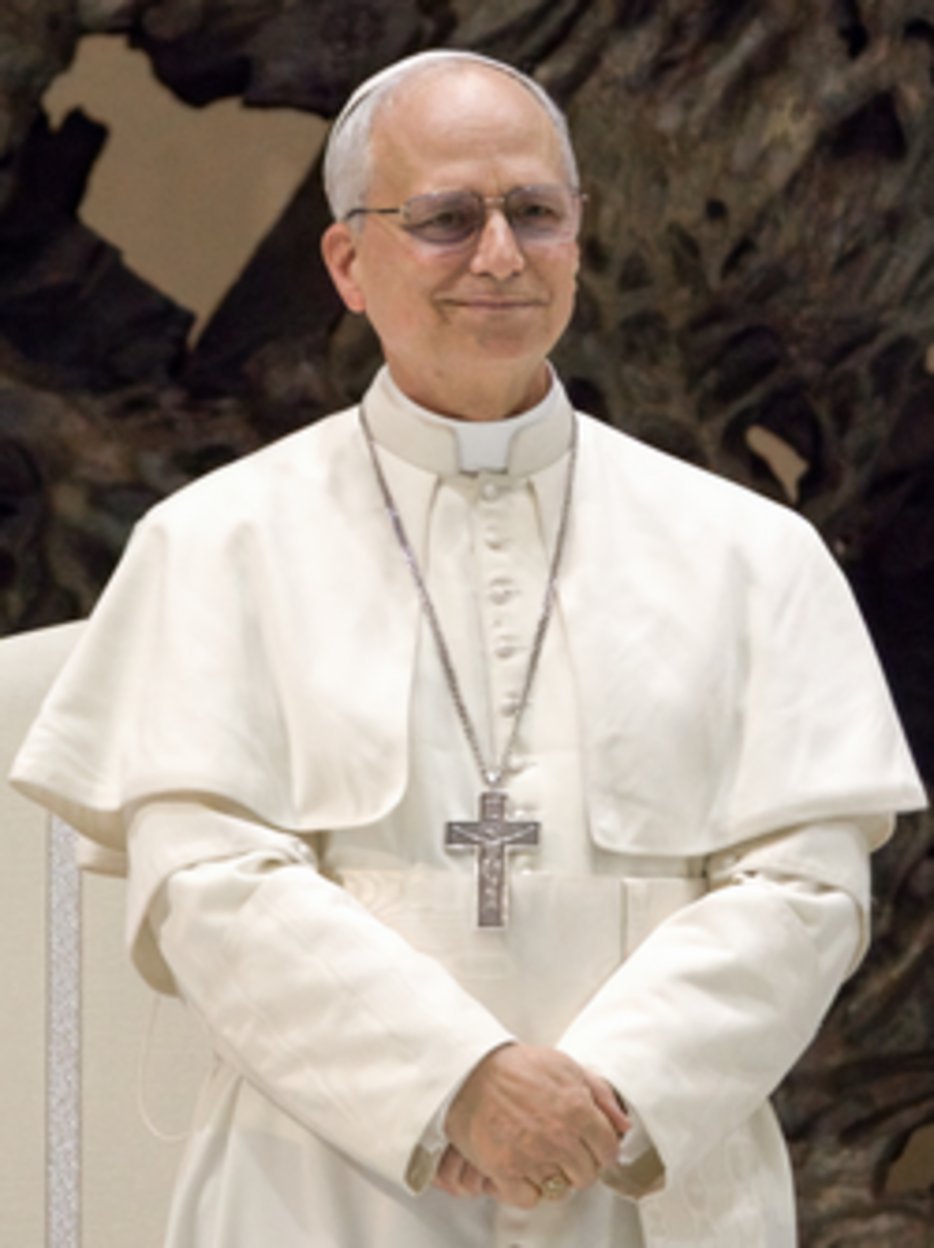
A rare and revealing development unfolded in Rome this week as Inter-American Development Bank (opens in a new tab) President Ilan Goldfajn (opens in a new tab) met privately with Pope Leo XIV (opens in a new tab) to make the case for responsible rare earth and critical mineral development in Latin America. The discussion highlights a growing reality often overlooked in commodity markets: securing critical mineral supply chains is no longer just a geological, financial, or geopolitical challenge—it is increasingly a social and moral one. While Goldfajn argues that modern mining can create local value and economic development, the Vatican remains deeply skeptical due to Latin America's long history of environmental damage, corruption, and Indigenous displacement. For investors, the key takeaway is clear: future rare earth projects will require not only permits and capital, but also public trust and social legitimacy.
The Battle for More Than Minerals
The rare earth supply chain has entered a new phase. This week, the head of the Inter-American Development Bank (IDB) sat down with Pope Leo XIV to discuss a topic increasingly shaping global industrial policy: critical minerals. Goldfajn's message was straightforward. Latin America possesses enormous mineral wealth, including significant rare earth resources, and the region has an opportunity to capture more value from the global energy transition—if development is done responsibly.
Pro-Rare Earths in the West?
The timing matters. China continues to dominate rare earth processing and magnet manufacturing, while Western governments scramble to diversify supply chains. Brazil alone holds the world's second-largest rare earth reserves according to U.S. Geological Survey estimates.
The Ghosts of Mining Past
Goldfajn faces a difficult audience. The Vatican has spent years criticizing mining practices that have left communities with polluted waterways, degraded ecosystems, and little lasting economic benefit. Pope Leo XIV's two decades serving in Peru gave him firsthand exposure to both the promises and consequences of extractive industries.
This historical context is largely accurate. Across Latin America, mining projects have repeatedly faced opposition due to environmental concerns, weak governance, and disputes involving Indigenous communities. These are not abstract risks. They routinely delay, suspend, or cancel billion-dollar projects.
What the Headlines Miss
The Associated Press story correctly identifies the importance of social acceptance in mining development. However, one notable omission stands out. The discussion focuses heavily on extraction but largely ignores the real strategic bottleneck in rare earth supply chains: processing, separation, refining, and magnet manufacturing. China dominates these downstream activities, not merely mining itself.
Mining rare earths is difficult. Processing them economically and at scale is far harder. That distinction matters enormously for investors evaluating Latin American opportunities.
The Rare Earth Exchanges Take
The most important development here is not whether Pope Leo becomes pro-mining. It is the recognition by development banks, governments, and industry leaders that future critical mineral projects require a social license to operate alongside a mining license. Capital alone is no longer sufficient.
In the emerging critical minerals era, community trust, environmental stewardship, and local value creation may become as strategically important as the ore body itself. For investors, that reality deserves as much attention as any drill result.


0 Comments
No replies yet
Loading new replies...
Moderator
Join the full discussion at the Rare Earth Exchanges Forum →