
Highlights
- China shipped 6,000 kg of gallium to Japan in May, making Japan the sole reported foreign recipient during the month.
- Germanium exports to Japan remain suspended, signaling China's export controls are still strategically calibrated.
- The resumption reflects Beijing's ability to selectively grant access to critical minerals, not a return to unrestricted trade.
- Supply-chain diversification across gallium, germanium, rare earths, and magnets remains urgent for Japan, the US, and allied economies.
China resumed gallium exports to Japan in May after a four-month suspension, shipping 6,000 kilograms and making Japan the sole reported foreign recipient of the strategic metal during the month. The move comes amid reports of increased rare earth magnet shipments and may indicate a selective relaxation of some critical mineral export restrictions. Rare Earth Exchanges®' key takeaway: this is not evidence of supply-chain normalization. Rather, it demonstrates Beijing's continuing ability to selectively grant access to materials essential for semiconductors, defense electronics, fiber optics, electric vehicles, and advanced manufacturing. The story is less about gallium itself and more about China's enduring leverage over strategic supply chains.
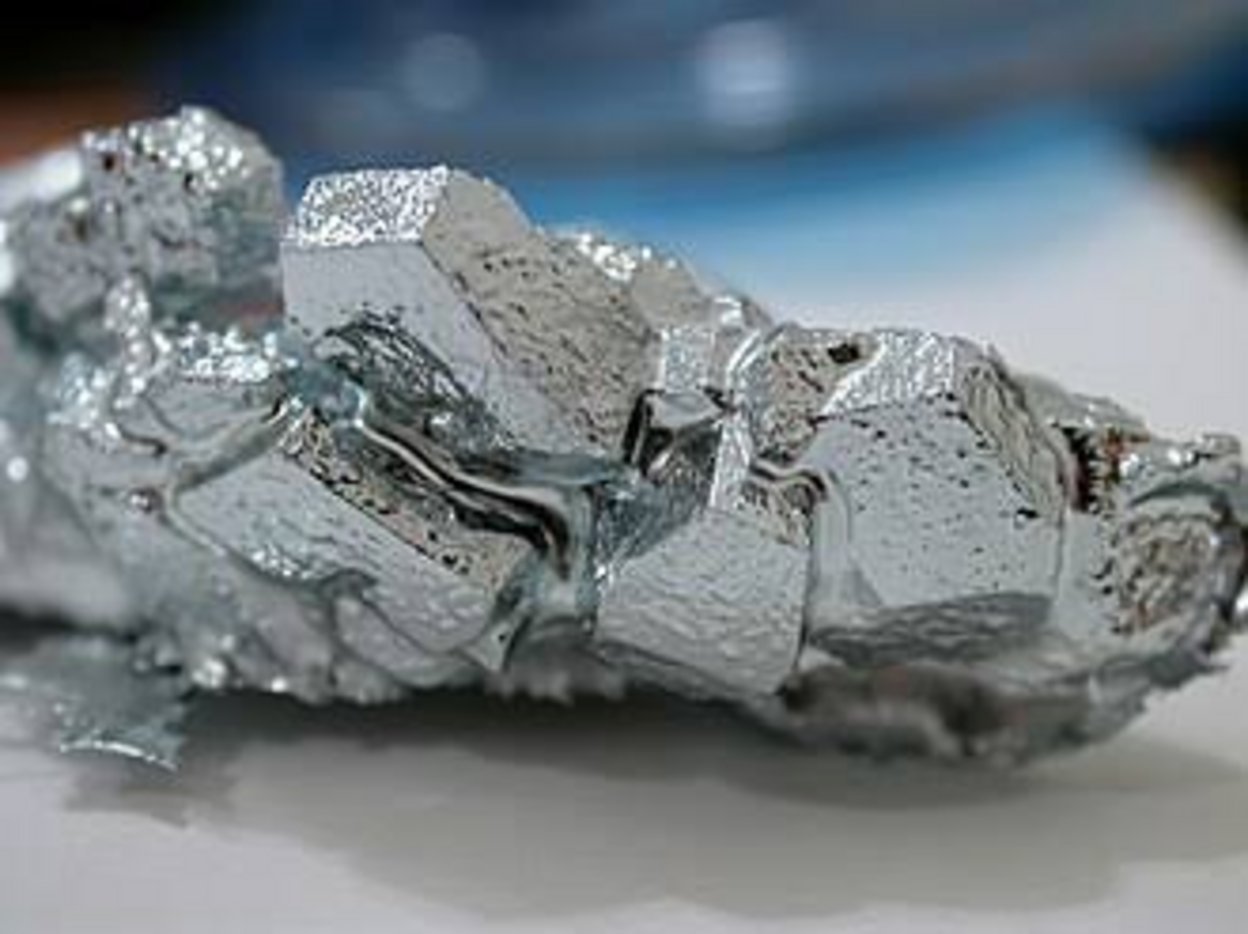
A Small Shipment With a Loud Message
Sometimes the most important geopolitical signal arrives in a six-ton package.
China's decision to resume gallium exports to Japan appears modest on the surface. Yet gallium is no ordinary metal. It is a critical input for compound semiconductors, high-frequency communications systems, radar technologies, fiber optics, EV charging infrastructure, and numerous military applications. The shipment suggests Beijing is willing to selectively reopen supply channels—but not relinquish control.
The Real Story Isn't Gallium
The article correctly highlights gallium's strategic importance and the resumption of exports. However, investors should focus on the broader context. China remains the dominant global producer and processor of gallium, controlling the vast majority of global supply through its aluminum and zinc industries. It also maintains commanding positions in rare earth separation, refining, metalmaking, and magnet manufacturing. One shipment does not materially alter supply-chain vulnerability.
Equally notable is what did not resume: germanium exports to Japan remain suspended. That distinction suggests export controls continue to be calibrated according to strategic priorities, end-use concerns, and broader geopolitical considerations.
Reading Between the Export Licenses
A piece today via South China Morning Post hints that improving trade conditions may explain the move. That is possible.
However, another interpretation deserves equal consideration: China is demonstrating that access remains available—but only through a licensing regime it controls. This is not a return to unrestricted trade. It is a reminder of who currently holds the keys.
China's critical mineral policies have never been solely about commodities. They are also instruments of industrial policy and geopolitical influence.
The most important fact is not that China exported 6,000 kilograms of gallium. The most important fact is that global markets are still celebrating permission slips. For investors, the lesson remains unchanged. Supply-chain diversification across gallium, germanium, rare earths, and magnets remains a strategic imperative for Japan, the United States, Europe, and allied economies.
Key Players and Contacts
China Customs Administration — Reported May gallium export data.
Government of China — Administrator of gallium, germanium, rare earth, and magnet export controls.
Government of Japan — Recipient of resumed gallium shipments.
Mia Nurmamat — Journalist reporting the development.
Global Semiconductor and Defense Supply Chains — Ultimate downstream stakeholders affected by gallium availability.
Investor Checklist
✓ China exported 6,000 kg of gallium to Japan in May.
✓ Japan was the only reported foreign destination for gallium exports during the month.
✓ Germanium exports to Japan remain suspended.
✓ Export licensing controls remain in force.
✓ No evidence yet of broad critical-mineral trade normalization.
✓ China's leverage over strategic mineral supply chains remains substantial.
Did you know some of America's top gallium traders subscribe to Rare Earth Exchanges? There are firms that, even in this very difficult environment, can help source gallium. Register today: REEx Marketplace™ (opens in a new tab)


0 Comments
No replies yet
Loading new replies...
Moderator
Join the full discussion at the Rare Earth Exchanges Forum →