
Highlights
- SCO Industry Ministers met in Kyrgyzstan, approving regulations for a new Industrial Investment Project Database and signing a joint ministerial communiqué.
- China's Vice Minister Xin Guobin outlined four priorities: industrial coordination, supply-chain resilience, innovation cooperation, and modernization of traditional industries.
- No major commercial deals were announced, but the meeting advances institutional frameworks for long-term Eurasian economic and industrial alignment.
- SCO member states collectively control vast reserves of rare earth elements, lithium, uranium, copper, and other critical minerals with strategic global importance.
- Western investors and policymakers should monitor the SCO's evolving role as a platform for alternative economic networks that could reshape critical mineral supply chains.
Earlier this month the Fourth Shanghai Cooperation Organization (SCO) I (opens in a new tab)ndustry Ministers' Meeting concluded in Kyrgyzstan with member nations approving regulations for an SCO Industrial Investment Project Database and signing a joint ministerial communiqué aimed at strengthening industrial cooperation. No major commercial deals were announced. However, the meeting reveals a broader strategic trend: China is continuing to build institutional frameworks that could deepen industrial, manufacturing, and supply-chain integration across Eurasia. For investors, the significance lies not in immediate transactions but in the gradual formation of alternative economic networks that may influence future flows of critical minerals, manufacturing capacity, technology, and investment.
Beyond the Headlines, Beneath the Surface
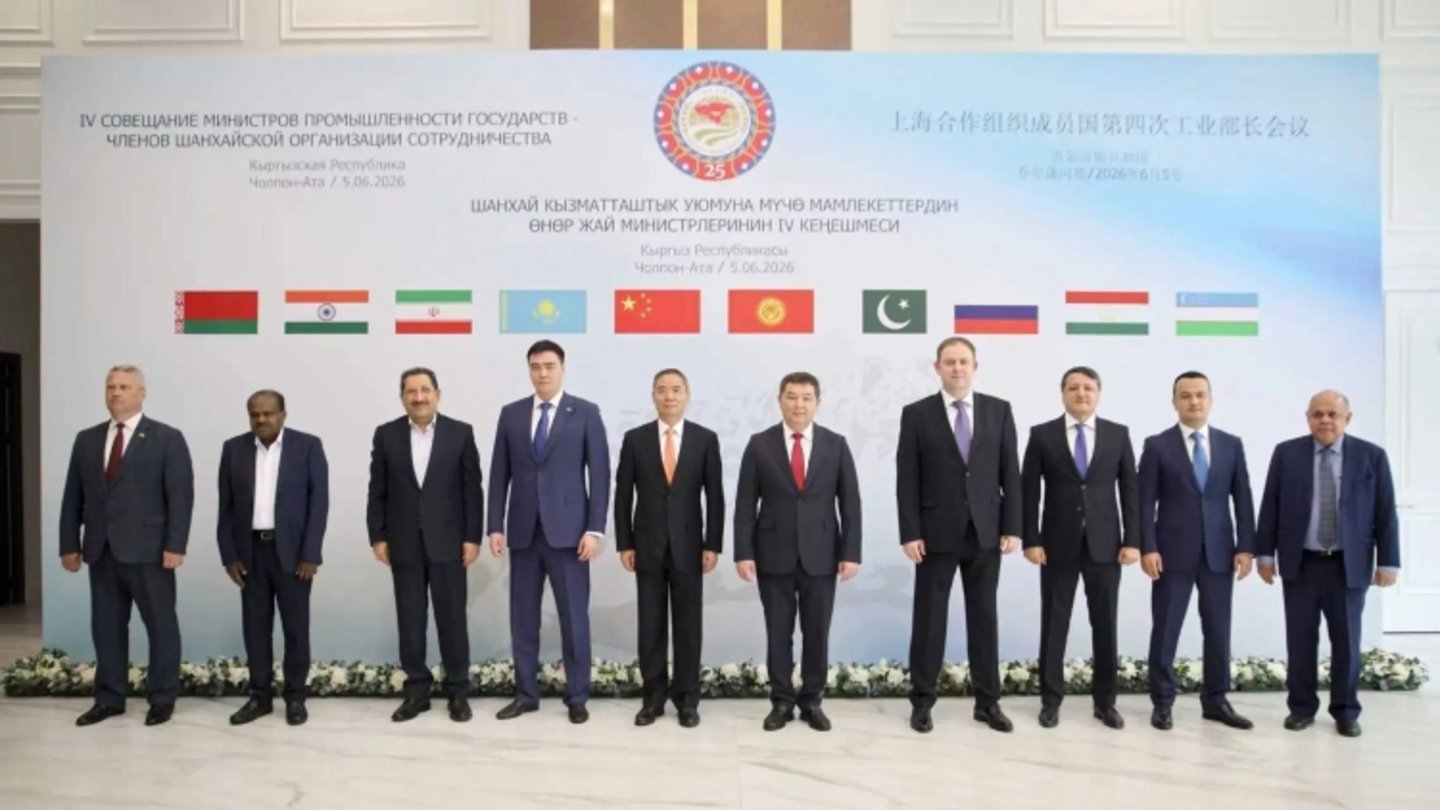
Sometimes the most important developments arrive without a headline-grabbing deal. On June 5, industrial ministers and senior officials from Shanghai Cooperation Organization member states gathered in Cholpon-Ata, Kyrgyzstan, to discuss industrial collaboration, supply-chain resilience, and future investment opportunities. Chinese Vice Minister of Industry and Information Technology Xin Guobin (opens in a new tab) used the occasion to highlight China's industrial achievements during its 14th Five-Year Plan and to position Beijing as a leading force in industrial development across the region.
The message seems clear enough: China wants deeper industrial integration with fellow SCO members as it launches its 15th Five-Year Plan.
Building the Plumbing of Economic Power
The meeting's most tangible outcome was the approval of regulations governing an SCO Industrial Investment Project Database, alongside the signing of a Joint Communiqué of Industry Ministers and official meeting minutes. While details remain limited, the database appears designed to identify and coordinate industrial investment opportunities among member states. China also advanced four priorities: stronger industrial coordination, more resilient supply chains, greater innovation cooperation, and accelerated modernization of traditional industries.
None of these initiatives will transform markets tomorrow. Collectively, however, they represent the infrastructure of long-term economic alignment.
The Real Signal Lies Beneath the Diplomacy
Investors looking for a major rare earth, critical mineral, or manufacturing announcement will not find one here.
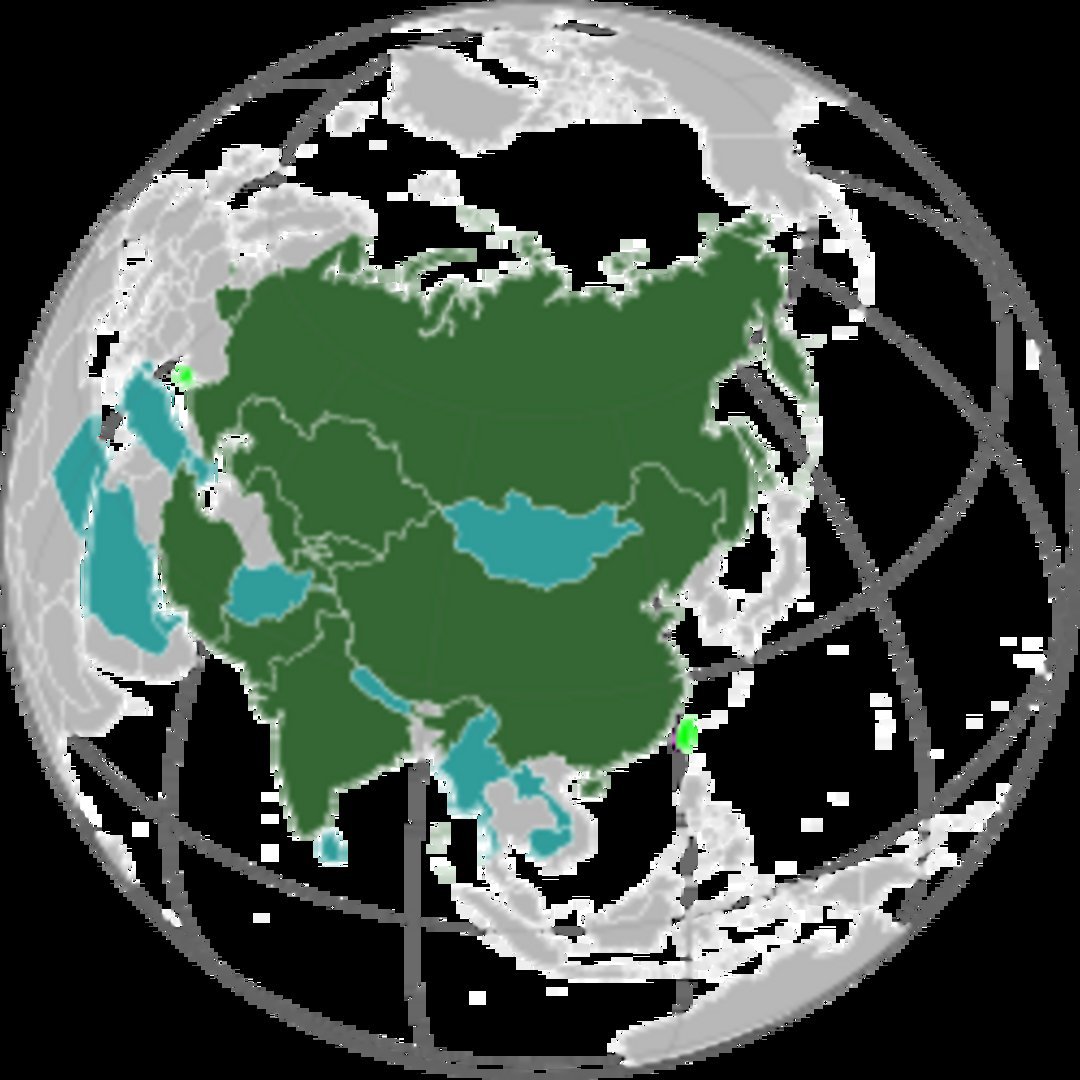
Yet dismissing the meeting would be a mistake. The SCO increasingly serves as a platform through which China, Russia, India, Pakistan, Iran, Central Asia, and other members coordinate economic and industrial priorities. Collectively, these nations control substantial reserves of oil, natural gas, uranium, copper, lithium, rare earth elements, and other strategic resources.
The approval of an industrial investment framework may appear bureaucratic. In reality, it reflects a broader effort to create institutional mechanisms capable of supporting cross-border industrial development across Eurasia. For Western policymakers and investors, the key takeaway is not what was announced. It is what is being built.
Key Players and Participants
Xin Guobin — Vice Minister, China's Ministry of Industry and Information Technology (MIIT); delivered the keynote address and proposed four initiatives for industrial cooperation.
Ministry of Industry and Information Technology (MIIT) — China's lead industrial policy agency and organizer of the Chinese delegation.
Shanghai Cooperation Organization (SCO) — Regional bloc whose members include China, Russia, India, Pakistan, Kazakhstan, Kyrgyzstan, Tajikistan, Uzbekistan, Iran, and Belarus.
Industrial Ministers and Senior Officials of SCO Member States — Participated in discussions on industrial investment, supply-chain resilience, and manufacturing cooperation.
Government of Kyrgyzstan — Host nation for the Fourth SCO Industry Ministers' Meeting in Cholpon-Ata.
What Was Approved?
✓ Regulations for an SCO Industrial Investment Project Database
✓ SCO Industry Ministers Joint Communiqué
✓ Official Meeting Minutes
✓ Expanded dialogue on industrial cooperation and resilient supply chains
Investor Checklist
✓ No major commercial agreements announced
✓ No specific rare earth or critical mineral projects disclosed
✓ China emphasized industrial coordination and supply-chain resilience
✓ Meeting supports broader Eurasian economic integration
✓ Long-term implications may emerge for critical minerals, manufacturing, logistics, and industrial investment
Profile
The SCO is a China- and Russia-led Eurasian political, economic, and security bloc that has grown into the world's largest regional organization by population and geographic reach. Founded in 2001 as the successor to the "Shanghai Five," the SCO now includes China, Russia, India, Pakistan, Iran, Belarus, and several Central Asian nations. Headquartered in Beijing, the organization promotes cooperation on industrial development, trade, energy, security, counterterrorism, and regional connectivity. Collectively, SCO member states account for roughly 42% of the world's population and more than one-third of global GDP on a purchasing-power-parity basis.
While often portrayed as a security organization, the SCO has increasingly evolved into a platform for economic and industrial coordination, supporting initiatives involving infrastructure, supply chains, energy cooperation, investment, and technology development. For investors and policymakers, the SCO is significant because it brings together many of the world's largest producers of oil, gas, uranium, rare earth elements, and other critical minerals. Although not a formal military alliance, the organization is widely viewed as an important vehicle through which China and its partners advance a more multipolar economic and geopolitical order across Eurasia.
Disclaimer: This report is based on information published by China's Ministry of Industry and Information Technology (MIIT), a government agency of the People's Republic of China. The announcement reflects official policy objectives and diplomatic messaging. Commercial outcomes, implementation details, and investment impacts should be independently verified as additional information becomes available.
Did you know Rare Earth Exchanges® is developing REEx Connect? Meaning the world's rare earth and critical mineral deal makers are going into a global database? Register today: REEx Marketplace™ (opens in a new tab)


0 Comments
No replies yet
Loading new replies...
Moderator
Join the full discussion at the Rare Earth Exchanges Forum →