
Highlights
- Vietnam's 2024 minerals law classifies rare earths as strategic resources, banning raw ore exports and mandating domestic processing to at least 95% TREO purity.
- The flagship Đông Pao deposit holds over 4.7 million tonnes REO but had not entered commercial production as of end 2024, highlighting the gap between geology and execution.
- A major corruption scandal involving Thai Duong Group and the Yên Phú HREE deposit resulted in 23 convictions in 2025, exposing serious governance risks in Vietnam's private rare earth sector.
- China remains Vietnam's most influential external actor, leveraging proximity and refining dominance, while Western partners like Lynas and South Korea's LS Eco Energy seek to build alternative supply chains.
- Vinacomin reported a 46% surge in net profit in H1 2025 and increased investment in rare earth processing, signaling growing state financial capacity to drive Vietnam's midstream ambitions.
Rare Earth Exchanges has argued that Southeast Asia's rare earth contest is ultimately about control, not ore. Vietnam embodies that reality. The nation possesses some of the world's most significant rare earth endowments, particularly in its northern provinces, yet remains far from becoming a fully independent alternative to China. Now in the Great Powers Era 2.0, Hanoi is aggressively restructuring the sector through state control, export restrictions, and domestic-processing mandates, but the gap between geological potential and industrial execution remains substantial.
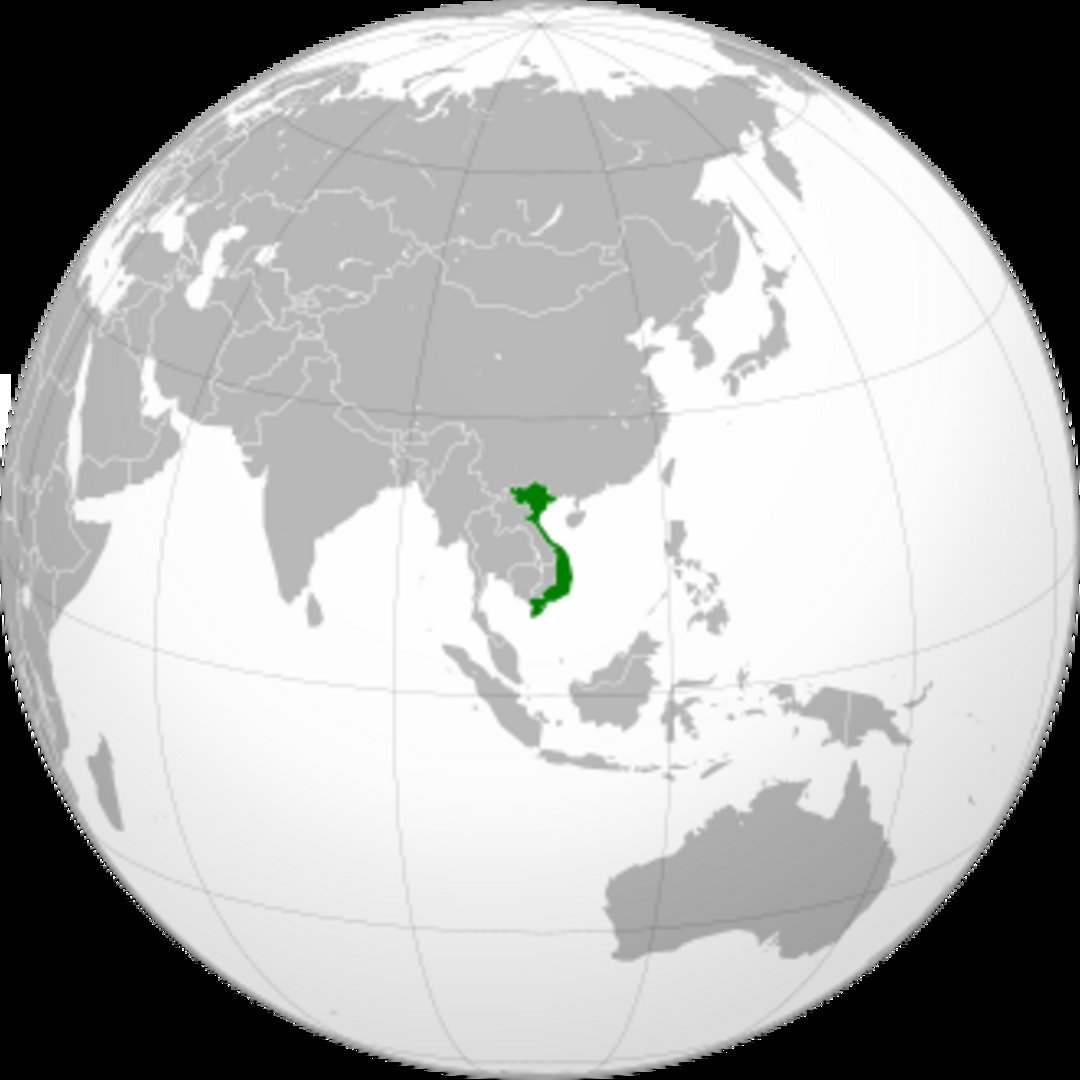
Vietnam's policy trajectory is unmistakable. The government's 2023 minerals master plan tied new rare earth mining licenses to domestic processing capable of producing at least 95% total rare earth oxides (TREO). The 2024 Law on Geology and Minerals, effective July 2025, classified rare earths as strategic minerals under heightened state oversight. By late 2025, Vietnam reinforced its ban on raw ore exports and imposed tighter controls on refined rare earth exports, explicitly linking resource development to domestic industrialization and national autonomy. In plain language, Hanoi no longer wants to be a quarry. It wants to become a midstream power.
The Reserve Story: Promise Meets Reality
Vietnam's reserve narrative remains controversial. For years, government officials and industry publications cited roughly 22 million tonnes of rare earth resources, often placing Vietnam second globally behind China. However, the U.S. Geological Survey revised its estimate downward to approximately 3.5 million tonnes of reserves in 2025.
The discrepancy likely reflects the difference between broad geological resources and economically recoverable reserves. Regardless of which number ultimately proves correct, Vietnam remains one of the most important rare earth jurisdictions outside China.
Yên Phú
The Deposits That Matter
The flagship project is Đông Pao in Lai Châu Province, often described as one of the largest rare earth deposits outside China. Geological studies estimate more than 4.7 million tonnes REO, dominated by light rare earths such as lanthanum and cerium, with commercially meaningful neodymium and praseodymium content. Yet despite decades of discussion, Đông Pao still had not entered regular commercial production as of the end of 2024.
For heavy rare earths (HREEs), the most significant deposits appear to be:
Vietnam's Key Rare Earth Deposits
| Deposit | Province | Primary REE Type | Size/Significance | HREE Potential | Current Status |
|---|---|---|---|---|---|
| Đông Pao | Lai Châu | LREE | Largest and most advanced Vietnamese deposit; >4.7 million tonnes REO estimated | Low–Moderate | Not yet in full commercial production |
| Nậm Xe | Lai Châu | LREE | One of Vietnam's largest deposits | Low | Exploration and development stage |
| Yên Phú | Yên Bái | HREE | Smaller than Đông Pao but strategically important | High | Development disrupted by corruption and permitting investigations |
| Bến Đền | Lào Cai | HREE* | Smaller deposit with environmental sensitivities | Moderate–High | Evaluation and exploration stage |
| Mường Hum | Lào Cai | Mixed REE | Potential future development target | Unknown/Moderate | Exploration target |
| Weathered-Crust Prospects | Lào Cai + Yên Bái | Ion-adsorption style potential | Early-stage targets under state investigation | Potentially High | Research and geological assessment phase |
*bearing weathered crust
The distinction matters. Heavy rare earths such as dysprosium and terbium are among the most strategically valuable elements for permanent magnets and defense applications. Vietnam possesses documented HREE-bearing ground, but it does not yet possess a scaled HREE supply chain.
Heavies
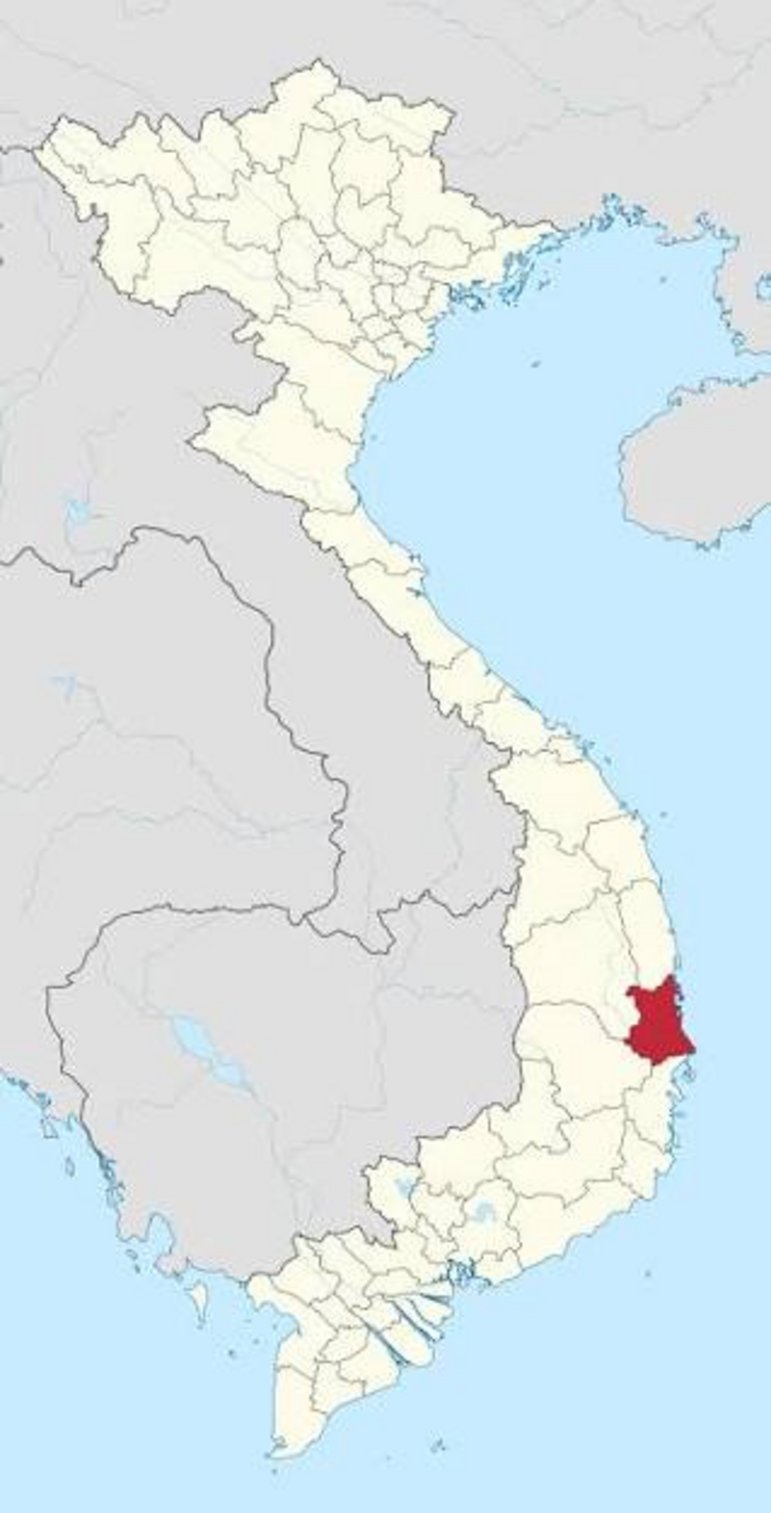
The Yên Phú rare earth deposit in Yên Bái Province, Vietnam, was operated under a mining license held by Thai Duong Rare Earth JSC, a company affiliated with the Thai Duong Group led by businessman Đoàn Văn Huấn. Vietnamese authorities later alleged that the company and associated parties illegally mined, processed, and exported rare earth minerals between approximately 2019 and 2023, resulting in significant losses to the state and violations of mining regulations. The case became one of Vietnam's most significant rare earth corruption scandals, culminating in a 2025 Hanoi court trial that convicted 23 defendants, including Thai Duong executives and former officials from the Ministry of Natural Resources and Environment accused of facilitating unlawful mining activities.
While reports indicate that Thai Duong's operations were effectively dismantled through criminal enforcement actions, it is not technically correct to say the government "seized" ownership of the deposit. Under Vietnamese law, all mineral resources are already state-owned, with private companies operating under government-issued licenses. Following the scandal, future development of the Yên Phú deposit is expected to proceed under stricter government oversight and within Vietnam's national rare earth development strategy. As of mid-2026, REEx using public information has not clearly identified a permanent successor operator for the deposit, leaving future licensing, state-directed partnerships, or redevelopment plans subject to government decision-making. The successor may be in place, and we will update as and when validated.
The Companies and Power Structure
Vietnam's rare earth sector remains heavily state-mediated.
The dominant state player is Vinacomin and its mining subsidiary Vimico (opens in a new tab), which controls the Đông Pao project through Lai Châu Vimico Rare Earth JSC.
Note that, according to its latest disclosures (opens in a new tab), Vinacomin – Minerals Holding Corporation (KSV), Vietnam's state-backed mining and rare earth producer, reported a very strong first half of 2025. Revenue increased to VND 6.56 trillion, up about 5% year-over-year, while net profit after tax surged 46% to VND 851.3 billion, driven by stronger operating margins and lower cost of sales. Total assets rose to nearly VND 8.0 trillion, cash increased 53% to VND 400 billion, and operating cash flow tripled to VND 1.1 trillion. The company also sharply reduced debt, cutting short- and long-term borrowings from VND 2.59 trillion to VND 1.69 trillion. Notably for critical minerals observers, Vinacomin increased its investment in Lai Chau Vimico Rare Earth JSC, while construction-in-progress projects expanded significantly, suggesting continued investment in mining and processing capacity. Overall, the results reflect a financially stronger and increasingly cash-generative enterprise positioned at the center of Vietnam's strategic minerals sector.
The private sector has struggled. As cited above, the most notable example is the Yên Phú project, linked to Thai Duong Group. Once viewed as a potential breakthrough HREE project, it became entangled in a major corruption and illegal-mining investigation that led to arrests of executives and former government officials.
Meanwhile, Vietnam Rare Earth Company (VTRE), once considered the country's most promising refining company and a partner of Australian Strategic Materials and Blackstone Minerals, according to Mining Magazine (opens in a new tab), has suspended operations following corruption-related investigations. The lesson is clear: geology alone does not eliminate governance risk.
China's Advantage
China remains Vietnam's most influential external actor. Beijing benefits from geographic proximity, existing refining capacity, integrated logistics, and decades of rare earth processing expertise. China Rare Earth Group has openly pursued cooperation with Vietnamese state entities, including discussions involving Vinacomin and Vietnam's state-capital management agencies.
China also benefits from Vietnam's execution gap. Because Vietnam lacks large-scale separation, metallization, and magnet-making infrastructure, its deposits remain economically attracted toward China's established industrial ecosystem.
This does not mean Hanoi wants Chinese dominance. Quite the opposite. Vietnam's recent legislation appears specifically designed to prevent the country from becoming merely a resource appendage of China's rare earth machine.
The Western Response
The West is present, but fragmented. Japan has supported geological surveys and resource evaluations for over a decade through JOGMEC. Australia has emerged as an increasingly important technical and investment partner. South Korean firms are now pursuing processing projects linked to Western supply chains.
One of the most significant developments involves Lynas Rare Earths and South Korea's LS Eco Energy, which announced plans to establish processing operations in Vietnam supplying materials for permanent magnet production serving U.S. markets. If successful, such projects could transform Vietnam into a meaningful ex-China metallization hub.
What Investors Should Watch
Vietnam matters more as an option on future control than as a current supplier. The deposits are real. The state has committed to a processing-first strategy. Multiple geopolitical blocs see Vietnam as a critical supply-chain node. Yet the sector remains constrained by stalled mines, governance challenges, uncertain reserve estimates, and limited midstream capacity.
The central question is no longer whether Vietnam possesses rare earths. It does.
The question is whether Vietnam can simultaneously build a domestic processing ecosystem, attract foreign capital, and avoid becoming another extension of China's refining complex. That battle—not the ore itself—will determine Vietnam's place in the global rare earth order.
Sources
- Vietnam Law on Geology and Minerals (2024)
- Vietnam Decision 866/QĐ-TTg Rare Earth Development Plan (2023)
- Reuters reporting on Vietnam rare earth reserves revision and export restrictions (2025–2026)
- JOGMEC rare earth supply chain and Vietnam project reviews (2023–2025)
- Vietnam Geological Department annual reports (2023–2024)
- Lai Châu Provincial Government mining and Đông Pao project disclosures
- Rare Earth Exchanges background reporting on Vietnam-China cooperation, export controls, and Southeast Asian rare earth geopolitics
Did you know Rare Earth Exchanges® is developing REEx Connect? Meaning the world's rare earth and critical mineral deal makers are going into a global database. Register today: REEx Marketplace™ (opens in a new tab)


0 Comments
No replies yet
Loading new replies...
Moderator
Join the full discussion at the Rare Earth Exchanges Forum →