
Highlights
- Brazil possesses significant rare earth deposits, including ionic clay resources in Goiás, but lacks China's integrated processing and manufacturing ecosystem.
- Former Brazilian Finance Minister Joaquim Levy explains that strategic value lies beyond mining—in separation, refining, alloy production, and magnet manufacturing.
- China's rare earth dominance stems from decades of investment in processing capacity, engineering talent, and vertically integrated supply chains, not just resource control.
- Rare earth permanent magnets are critical enabling technologies for electric vehicles, wind turbines, defense systems, and medical equipment.
- Brazil's path to rare earth competitiveness requires building commercially viable downstream industrial capacity, not just expanding mineral extraction.
In a recent article published in Valor Econômico (opens in a new tab), Brazilian economist and former Finance Minister Joaquim Levy (opens in a new tab) offers an accessible overview of the rare earth value chain, explaining why elements such as neodymium, dysprosium, terbium, and samarium are indispensable to the permanent magnets powering electric vehicles, wind turbines, advanced electronics, medical equipment, and defense systems. Levy's central message is straightforward but important: mineral deposits alone do not create strategic advantage. Value is created through the far more difficult processes of separation, refining, alloy production, and magnet manufacturing. For Rare Earth Exchanges®, the key takeaway is that Brazil possesses substantial rare earth potential—including promising ionic clay deposits—but must still overcome significant industrial, technical, and capital hurdles before it can compete with China's integrated rare earth ecosystem.
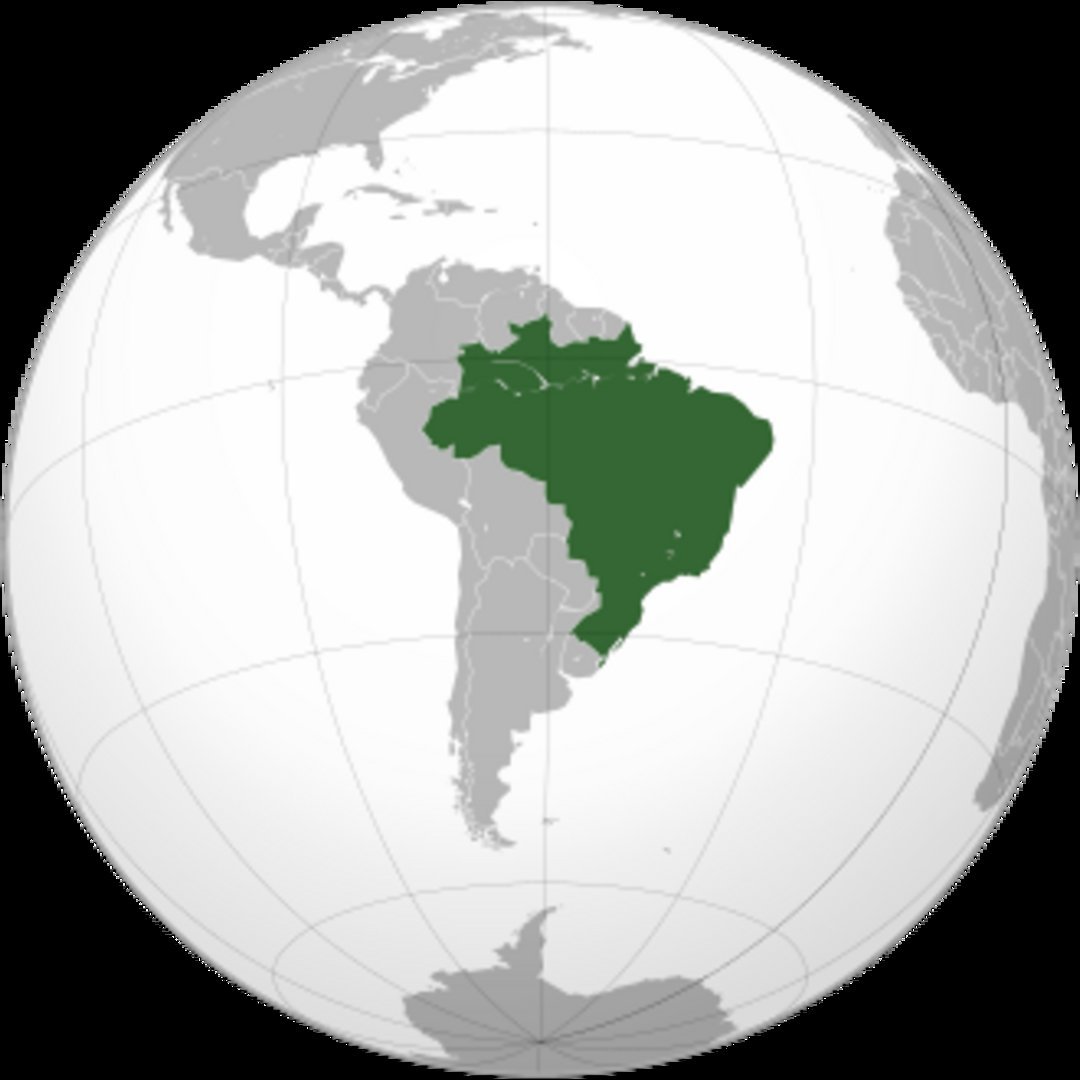
The Hidden Engine of Modern Technology
Rare earth magnets are among the most important enabling technologies of the twenty-first century. They convert electricity into motion with extraordinary efficiency and are essential to electric motors, offshore wind turbines, smartphones, medical imaging systems, drones, and advanced military platforms.
The former minister accurately explains that the magnetic power of rare earths originates from unique electron configurations within certain lanthanide elements. This scientific characteristic enables the creation of high-performance permanent magnets that are difficult to replicate using alternative materials.
Just as importantly, he reminds readers that mining is only the beginning of the story. The path from ore to finished magnet involves beneficiation, chemical separation, refining, metallization, alloy production, and precision manufacturing. Each step increases both technical complexity and economic value.
Joaquim Levy

Brazil's Resources, China's Advantage
Levy highlights Brazil's considerable rare earth potential, including monazite-bearing deposits and ionic clay resources in Goiás. Those observations are well supported. Brazil possesses one of the world's most promising undeveloped rare earth resource bases and is attracting growing attention from domestic and international investors.
However, the article also indirectly underscores a reality often missed by policymakers. China dominates the sector not because it controls all the world's rare earth resources, but because it spent decades building processing capacity, chemical expertise, manufacturing capabilities, engineering talent, and vertically integrated supply chains. That distinction matters, especially now that we have crossed into what Rare Earth Exchanges calls Great Powers Era 2.0.
Beyond the Mine Gate
Levy's most important point may be his simplest: countries do not become strategic powers merely by extracting minerals. They create lasting economic and geopolitical leverage by controlling the higher-value stages of the supply chain.
For investors, the critical question is not whether Brazil can discover additional rare earth deposits. The country already has them. The real question is whether Brazil can build commercially viable separation facilities, metallization plants, alloy production capacity, and eventually magnet manufacturing.
That is where margins accumulate. That is where industrial power is created.
Bottom Line: Brazil has the geology. China has the ecosystem. The opportunity—and challenge—for Brazil is to transform world-class resources into a world-class rare earth industry.
Did you know Rare Earth Exchanges® is developing REEx Connect? Meaning the world’s rare earth and critical mineral deal makers are going into a global database. Register today: REEx Marketplace™ (opens in a new tab)


0 Comments
No replies yet
Loading new replies...
Moderator
Join the full discussion at the Rare Earth Exchanges Forum →