
Highlights
- ICHS 2026 takes place September 2–4 in Mechelen, Belgium, organized by KU Leuven's SOLVOMET Research & Innovation Centre.
- China controls an estimated 85–90% of global rare earth separation and refining, making downstream processing the real strategic battleground.
- Dr. Alain Rollat of CARESTER will keynote on whether any industrial alternative to solvent extraction exists for rare earth separation.
- SOLVOMET's Circular Hydrometallurgy framework emphasizes reagent regeneration, water-loop closure, and domestic refining capacity as matters of industrial security.
- Experts from Umicore, LKAB, Glencore, Colorado School of Mines, and McGill University will address battery recycling, precious metals recovery, and AI-driven process control.
The critical minerals race is often portrayed as a race for mines. It is not. The real battle lies further downstream—in the refineries, solvent extraction circuits, metallization plants, and chemical separation facilities that transform rock into strategic materials. That reality sits at the heart of the 2nd International Circular Hydrometallurgy Symposium (opens in a new tab) (ICHS 2026), taking place September 2–4, in Mechelen, Belgium. Organized by the SOLVOMET Research & Innovation Centre at KU Leuven (opens in a new tab), the conference has quietly become one of the most important gatherings in the world for metallurgical chemistry, rare earth separation, and critical minerals refining.
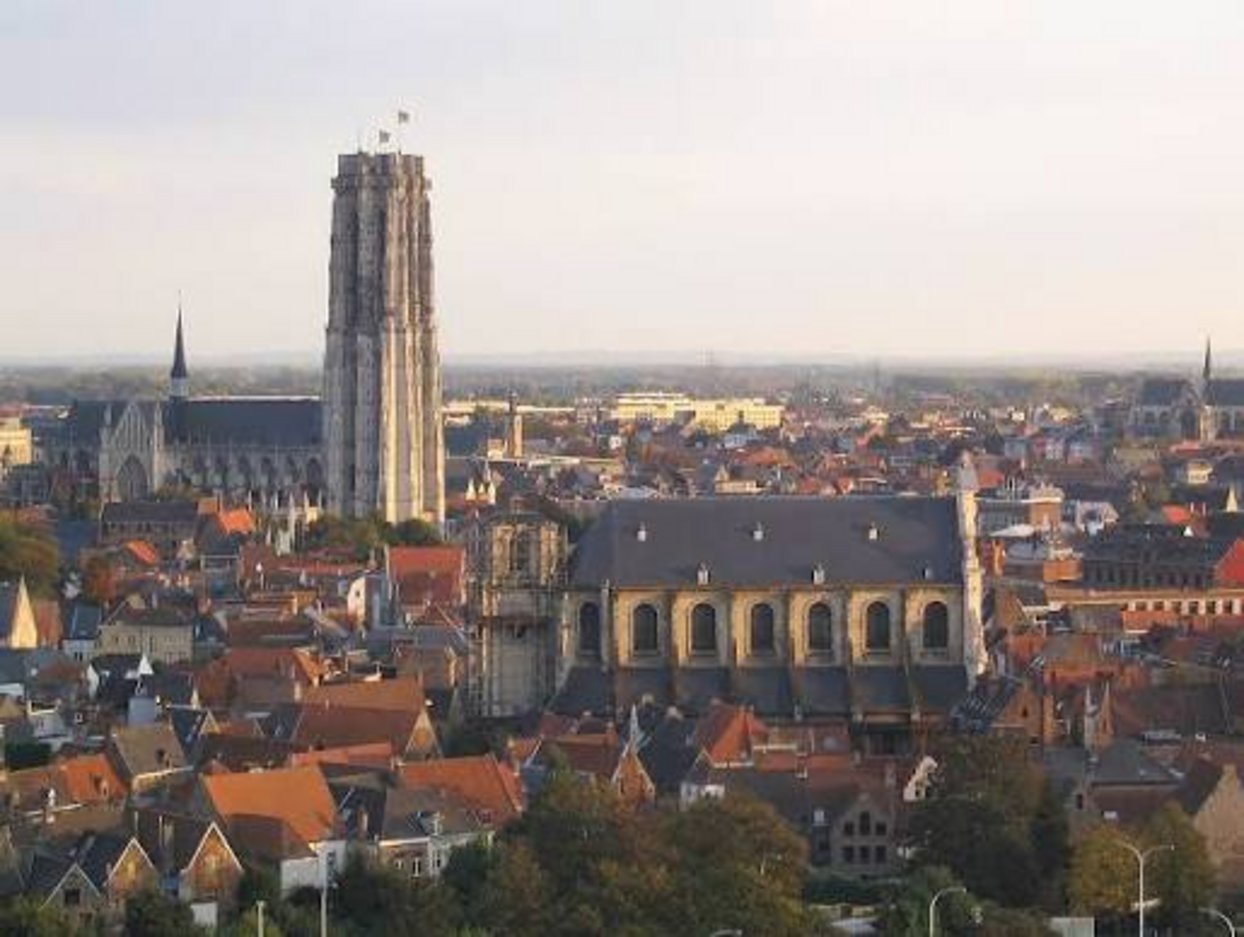
Source: Wikipedia
For Rare Earth Exchanges® readers, this is where the real action is. China may account for roughly 60–70% of rare earth mining, but its true advantage lies downstream, where it controls an estimated 85–90% of global rare earth separation, refining, metallization, and magnet production. The result is a strategic reality often overlooked in Western policy discussions: a mine without a refinery is not a supply chain.
Rare Earth Exchanges has identified the SOLVOMET team and, by extension, talent from Solvay and Carester as perhaps the most concentrated level of rare earth separation and metallization outside of perhaps a cluster in Japan and, of course, China.
The Midstream Matters More Than the Mine
Rare earth mining is difficult. Rare earth separation is far harder. Separating neodymium from praseodymium, dysprosium from terbium, or yttrium from complex heavy rare earth mixtures requires decades of accumulated process knowledge, sophisticated chemistry, and industrial-scale solvent extraction systems.
Few institutions outside China possess meaningful expertise in this domain. That is what makes SOLVOMET so important.
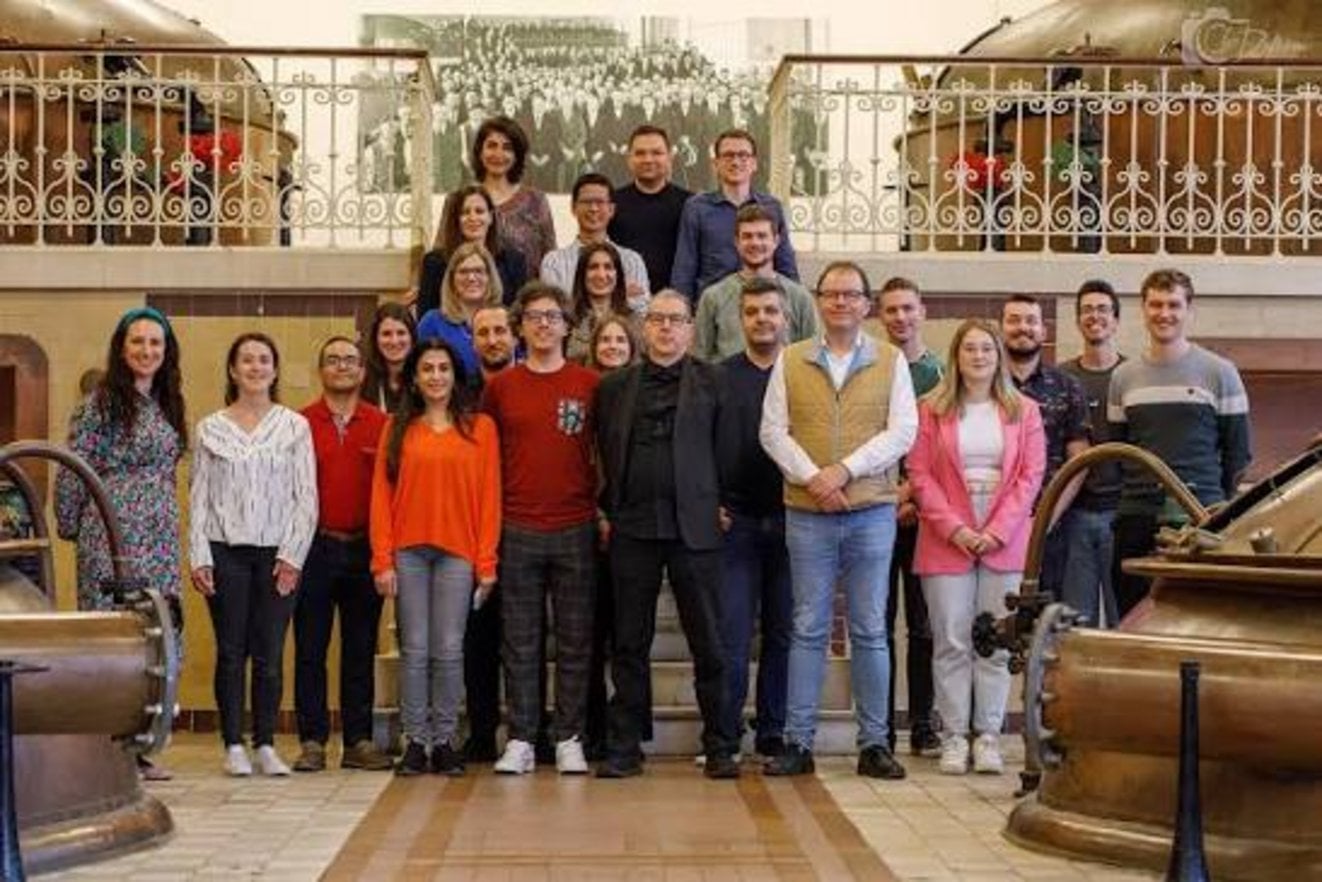
Led by Professor Koen Binnemans (opens in a new tab) and Professor Peter Tom Jones (opens in a new tab), the KU Leuven-based group has emerged as one of Europe's leading centers of excellence in hydrometallurgy, solvent extraction, and rare earth processing. Through initiatives such as REE-FLEX, (opens in a new tab) a high-TRL (Technology Readiness Level) project focused on flexible rare earth separation technology, SOLVOMET is helping bridge the gap between laboratory innovation and industrial deployment.
Rare Earth Exchanges earlier this year hosted Professor Tom Jones on the REEx Podcast (opens in a new tab), where he outlined Europe's growing effort to rebuild refining capabilities and reduce dependence on foreign-controlled supply chains. The discussion reinforced a central truth: refining capacity—not ore bodies—will determine strategic autonomy.
SOLVOMET Group
The Question Every Rare Earth Startup Must Answer
One presentation stands above the rest for rare earth specialists.
Veteran rare earth technologist Dr. Alain Rollat (opens in a new tab) of CARESTER will deliver a keynote titled:
“The Rare Earths Separation – Is There an Industrial Alternative to Solvent Extraction?”
This may be the most important rare earth processing question facing the industry today.
For decades, solvent extraction has remained the dominant commercial technology for separating rare earth elements. Even today, China’s dominance is based on the continuous optimization of this method over the last couple of decades. Despite countless claims of disruptive alternatives, SX remains the industrial benchmark because it delivers the purity, throughput, reliability, and economics required at scale.
Rollat is uniquely positioned to evaluate those claims. During his career with Rhone-Poulenc, Rhodia, and Solvay, he helped develop rare earth separation processes and participated in the design of production facilities in both France and China before joining CARESTER.
When Rollat discusses alternatives to solvent extraction, the audience is hearing from someone who helped build the existing industry.
More Than Rare Earths
Although rare earths occupy a central role, ICHS 2026 is fundamentally about the future of metallurgical processing itself. The program includes experts from CARESTER, Umicore, LKAB, Glencore, Aurubis, Fortum, Colorado School of Mines, McGill University, the University of Pretoria, and other leading institutions.
Topics span:
- Rare earth separation and refining
- Battery recycling
- Nickel, cobalt, and lithium processing
- Precious metals recovery
- Antimony hydrometallurgy
- Circular chemistry
- Digital process control and AI
- Industrial scale-up and pilot plant development
The common theme is unmistakable: how to build cleaner, more resilient, and strategically independent refining systems.
Circular Hydrometallurgy: A New Industrial Philosophy
ICHS is also the flagship event for a concept pioneered by Binnemans and the SOLVOMET team:
Circular Hydrometallurgy. Its Twelve Principles (opens in a new tab) emphasize reagent regeneration, water-loop closure, waste minimization, electrification, real-time process control, and resource efficiency.
This is more than an environmental framework.
It is increasingly becoming a strategic framework. As geopolitical tensions expose vulnerabilities in global supply chains, reagent independence, recycling, process efficiency, and domestic refining capacity are evolving into matters of industrial security.
Beyond the Conference
Readers interested in these themes should also follow Raw Matters (opens in a new tab), the new podcast launched by the SOLVOMET ecosystem. Like the REEx Podcast, it explores the science, engineering, economics, and geopolitics shaping the future of critical minerals.
The REEx Take
The world has spent the last decade talking about mines. The next decade will be defined by refineries and, by extension, comprehensive rare earth element and critical mineral industrial ecosystems as we cross into the Great Powers Era 2.0. Whoever masters separation, purification, and metallization will control the critical mineral supply chains that underpin electric vehicles, wind turbines, advanced electronics, robotics, defense systems, and next-generation manufacturing.
China understood this long ago.
The gathering in Mechelen suggests Europe is beginning to understand it too.
If mining is where critical minerals begin, hydrometallurgy is where strategic power is created.
Follow the link to register to this important symposium (opens in a new tab).
Did you know Rare Earth Exchanges® is developing REEx Connect? Meaning the world’s rare earth and critical mineral deal makers are going into a global database. Register today: REEx Marketplace™ (opens in a new tab)


0 Comments
No replies yet
Loading new replies...
Moderator
Join the full discussion at the Rare Earth Exchanges Forum →