
Highlights
- China and the EU established a new Trade and Investment Consultation Mechanism with four standing workstreams, including export controls and critical raw materials.
- Rare earths and critical minerals are now formally embedded in the permanent China-EU ministerial trade agenda following their first meeting in Brussels.
- No policy changes were announced, but the institutionalization of rare earth export controls signals their growing role as strategic geopolitical instruments.
- The mechanism reflects a broader shift in global trade where critical minerals function alongside tariffs and technology controls as diplomatic leverage.
- Both sides agreed to a joint trade-monitoring mechanism and plan to reconvene at the ministerial level in autumn 2026.
China and the European Union have formally launched a new China-EU Trade and Investment Consultation Mechanism (opens in a new tab), creating a permanent ministerial forum to manage growing trade tensions and economic security issues. The first meeting, held June 29 in Brussels between Chinese Commerce Minister Wang Wentao (opens in a new tab) and European Commission Executive Vice President Maroš Šefčovič (opens in a new tab), established four standing workstreams: trade and investment balance, export controls, intellectual property, and World Trade Organization reform. Both sides also agreed to establish a joint trade-monitoring mechanism and reconvene at the ministerial level in autumn 2026.
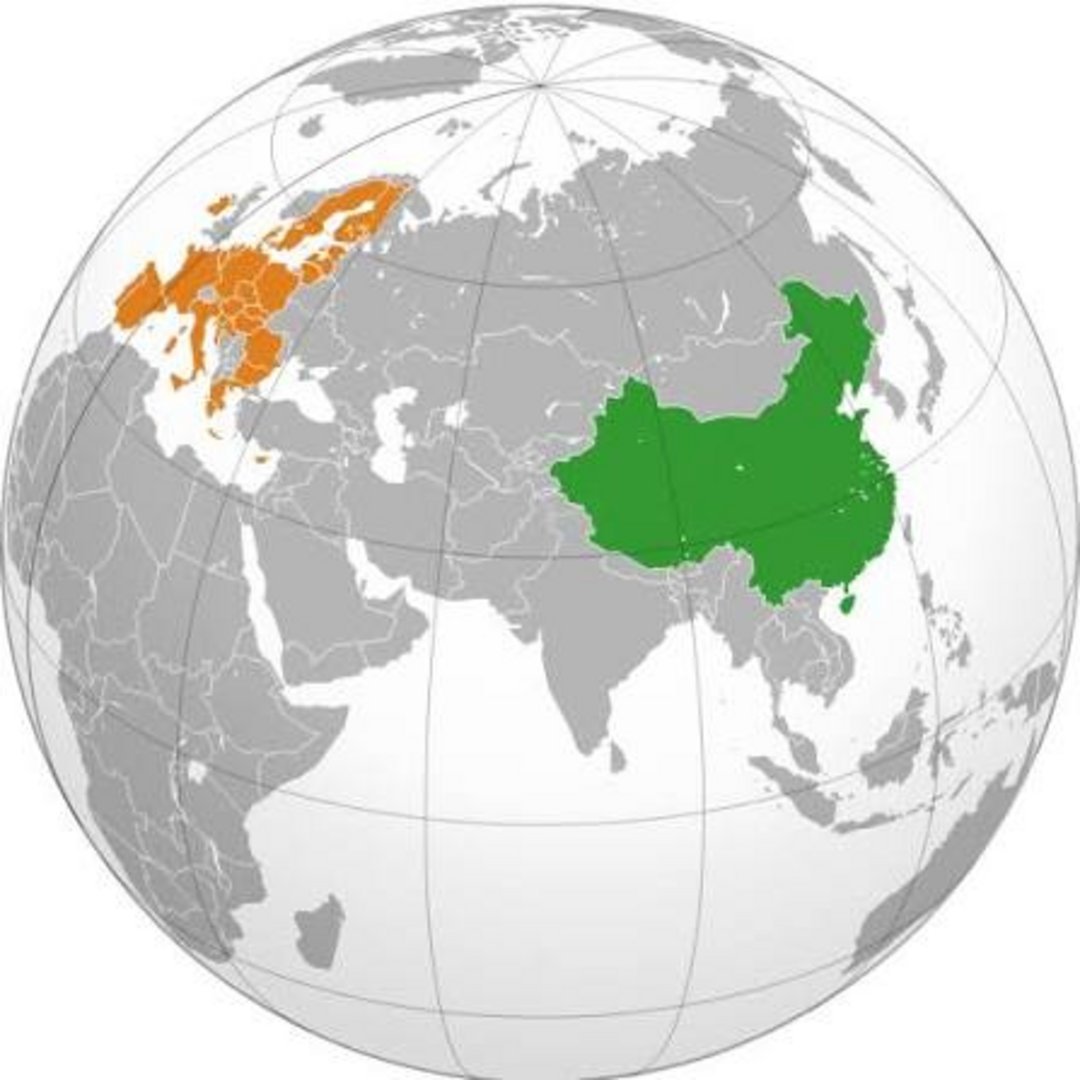
Rare Earths Move to the Main Table
For Rare Earth Exchanges® readers, the most consequential outcome is that rare earths, critical raw materials, and export controls are now embedded in the formal China-EU trade agenda. The joint statement notes that previous discussions on rare earths and other critical minerals have produced "positive results" and commits both sides to deepen dialogue on export-control frameworks, licensing policies, and measures intended to preserve global industrial and supply chain stability. While no policy changes or export concessions were announced, the elevation of rare earths to a permanent ministerial discussion reflects their growing geopolitical importance.
Why It Matters
The announcement comes as European manufacturers continue to grapple with China's export licensing requirements on rare earths and other strategic materials, while Brussels simultaneously pursues its broader "de-risking" strategy toward China.
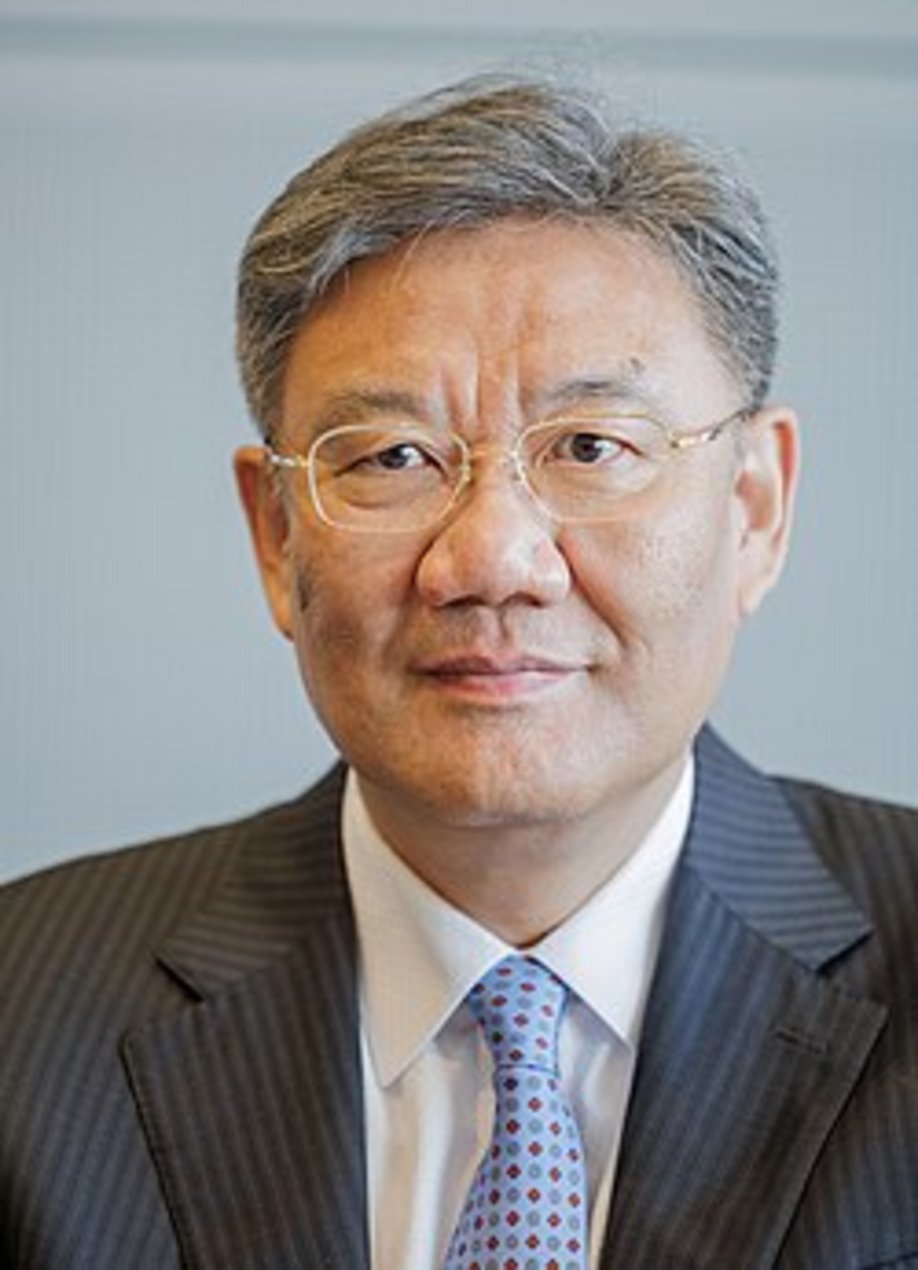
Wang Wentao, Minister of Commerce
REEx Perspective: This is another sign that Great Powers Era 2.0 has fundamentally changed global trade. Rare earths are no longer simply commodities; they have become strategic negotiating instruments alongside tariffs, intellectual property, technology controls, and industrial policy. The fact that China and the EU have institutionalized rare earth export controls within a permanent bilateral mechanism demonstrates how deeply critical minerals are now woven into international economic diplomacy.
Disclaimer: This report is based primarily on the joint statement released by China's Ministry of Commerce and carried by Chinese state media. While the existence of the mechanism and the joint statement are confirmed, future policy outcomes remain uncertain and will depend on subsequent negotiations.
Primary Source: China–EU Trade and Investment Consultation Mechanism Joint Statement (Ministry of Commerce of China) (opens in a new tab)
Register today: REEx Marketplace™ (opens in a new tab)


0 Comments
No replies yet
Loading new replies...
Moderator
Join the full discussion at the Rare Earth Exchanges Forum →