
Highlights
- USA Rare Earth's proposed $2.8 billion acquisition of Serra Verde is Washington's clearest move yet to secure heavy rare earth supply outside China's control.
- Chinese investment in Brazil surged to $6.1 billion in 2025, yet the US, Europe, Germany, Canada, Japan, and India are all intensifying strategic engagement—making this a multi-player competition.
- Brazil is demanding more than mining deals: it wants refining, separation, magnet manufacturing, skilled jobs, and technology transfer to build a full rare earth value chain.
- The winner of Brazil's critical mineral alliance will not be the highest bidder for mines, but the partner that helps Brazil move from raw ore to advanced manufacturing.
USA Rare Earth's proposed $2.8 billion acquisition of Serra Verde is far more than a mining deal—it is a geopolitical move in the accelerating competition for critical minerals. Brazil is emerging as one of the world's most contested strategic resource nations, yet the real prize is not ownership of ore. It is control of the downstream value chain. REEx assessment: Brazil will not become another raw-material colony. In Great Powers Era 2.0, whichever bloc helps Brazil move from mine to magnet will likely secure the deeper, longer-lasting alliance.
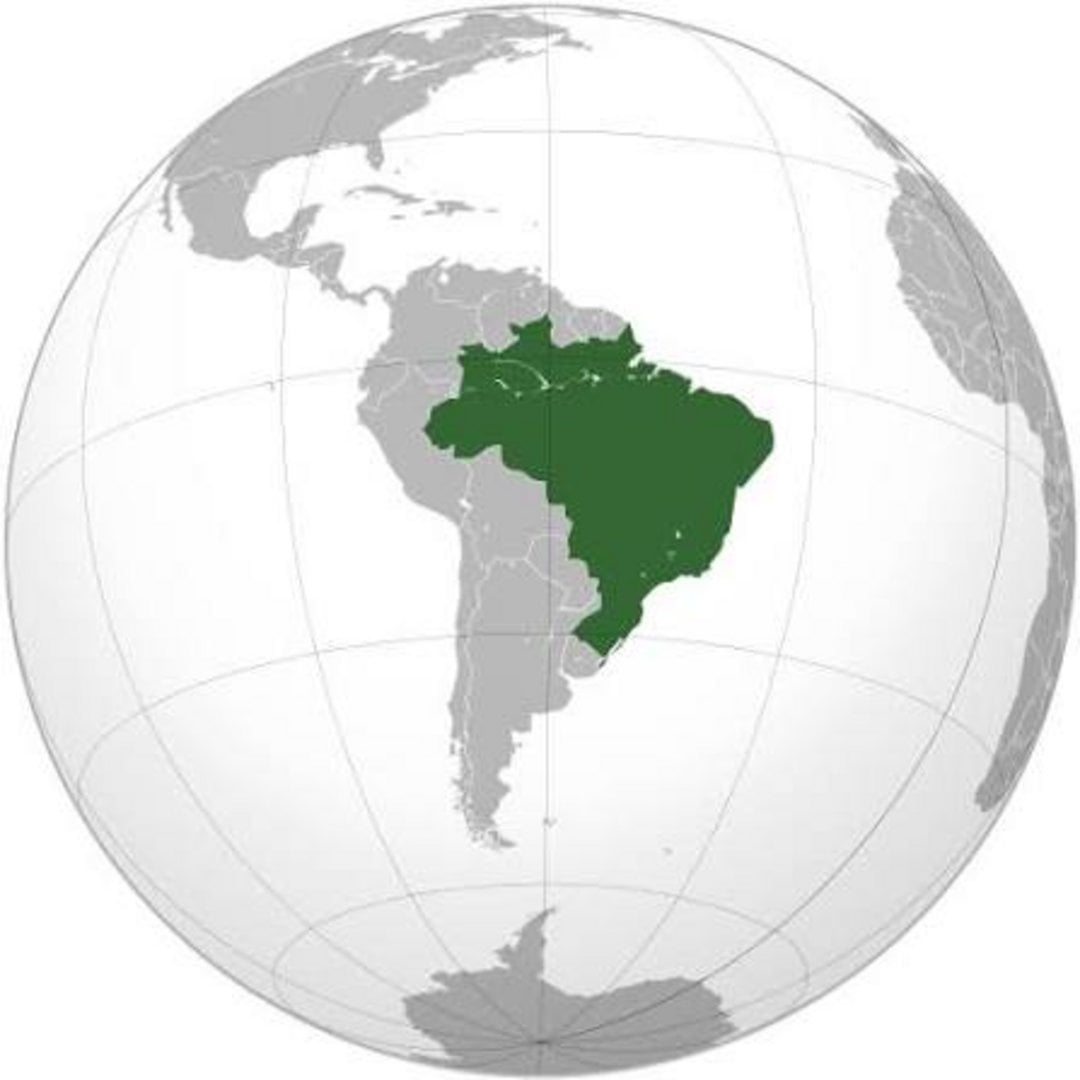
Forget the headlines about a mine acquisition. The real story is that Brazil has become contested strategic terrain.
USA Rare Earth's proposed acquisition of Serra Verde—the world's only commercial ionic-clay rare earth operation outside Asia—is Washington's clearest move yet to secure heavy rare earth supply beyond China's reach. Environmental and political objections have surfaced in Brazil, but based on current evidence, the transaction still appears likely to proceed. More importantly, it signals that the competition for Brazil's critical minerals has entered a new phase.
The investment data tell a far more sophisticated story than the simplistic narrative that President Lula has "chosen China." Chinese investment surged to $4.2 billion in 2024 and reportedly reached $6.1 billion in 2025, making Brazil China's largest destination for outbound investment by share according to South China Morning Post (opens in a new tab). Yet the United States remains Brazil's largest source of foreign direct investment (opens in a new tab). Europe has intensified its courtship through technology transfer, refining partnerships, and industrial cooperation, while Germany, Canada, Japan, and India have all expanded their strategic engagement. This is not a two-player contest. It is an increasingly competitive auction for long-term strategic access.
That is precisely why Brazil matters in Great Powers Era 2.0.
Brazil possesses some of the world's richest rare earth geology, including ionic clay deposits capable of producing the heavy rare earth elements essential for permanent magnets. But geology alone does not create industrial power. Brazil has made its intentions unmistakably clear: it does not want to remain a supplier of raw materials. It wants refining, separation, advanced materials, manufacturing, skilled jobs, and technology.
That changes the competitive equation. Neither China nor the United States can expect privileged access simply by writing larger checks. Both must help Brazil climb the value chain. Rare Earth Exchanges® suggests the winner will not necessarily be the country that acquires the next mine—it will be the one that helps Brazil build an integrated rare earth industry from ore to oxides, metals, magnets, and advanced manufacturing.
For investors, this is the signal to watch. Brazil is no longer selling minerals. It is negotiating its place in the next industrial order.
Register today: REEx Marketplace™ (opens in a new tab)


0 Comments
No replies yet
Loading new replies...
Moderator
Join the full discussion at the Rare Earth Exchanges Forum →