
Highlights
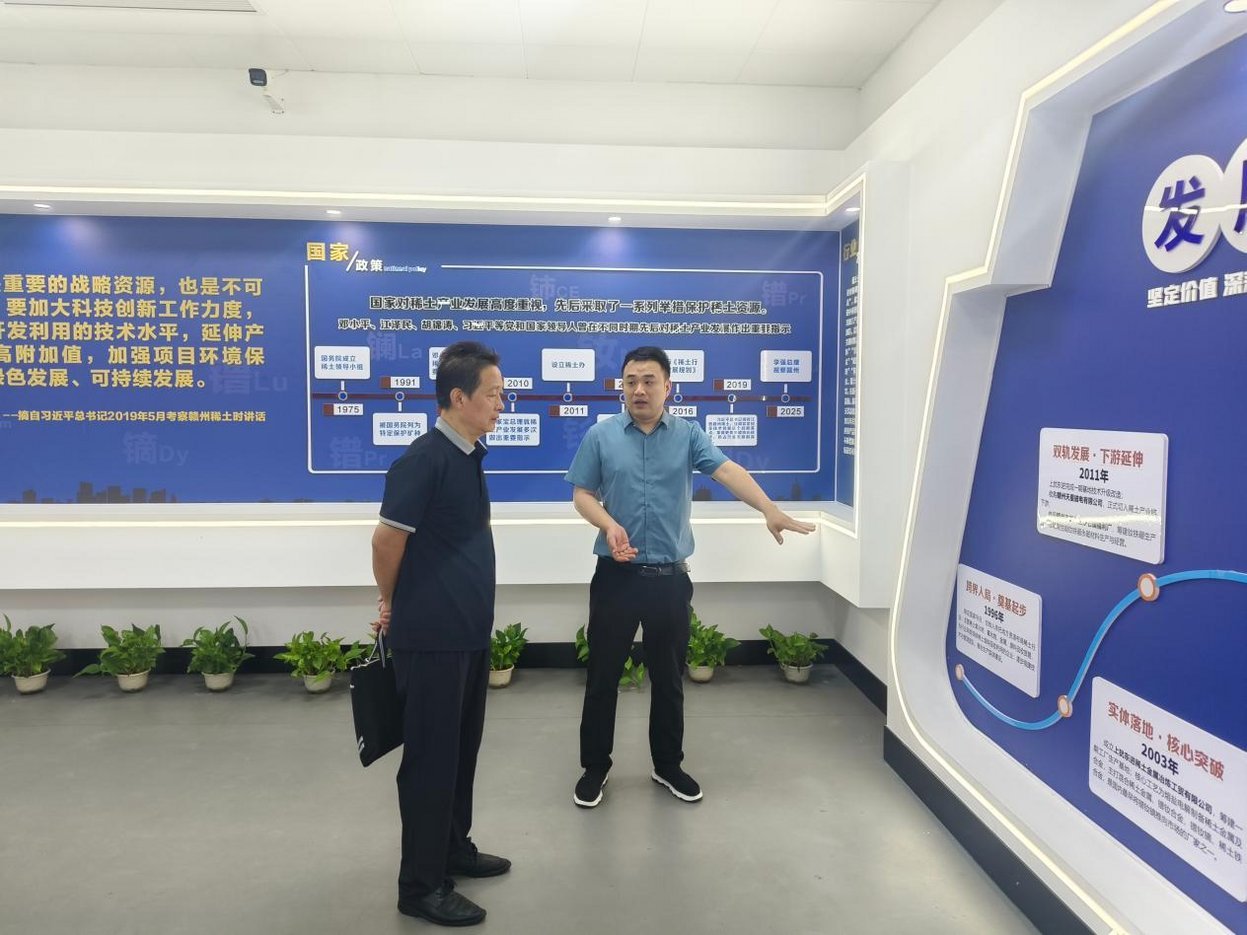
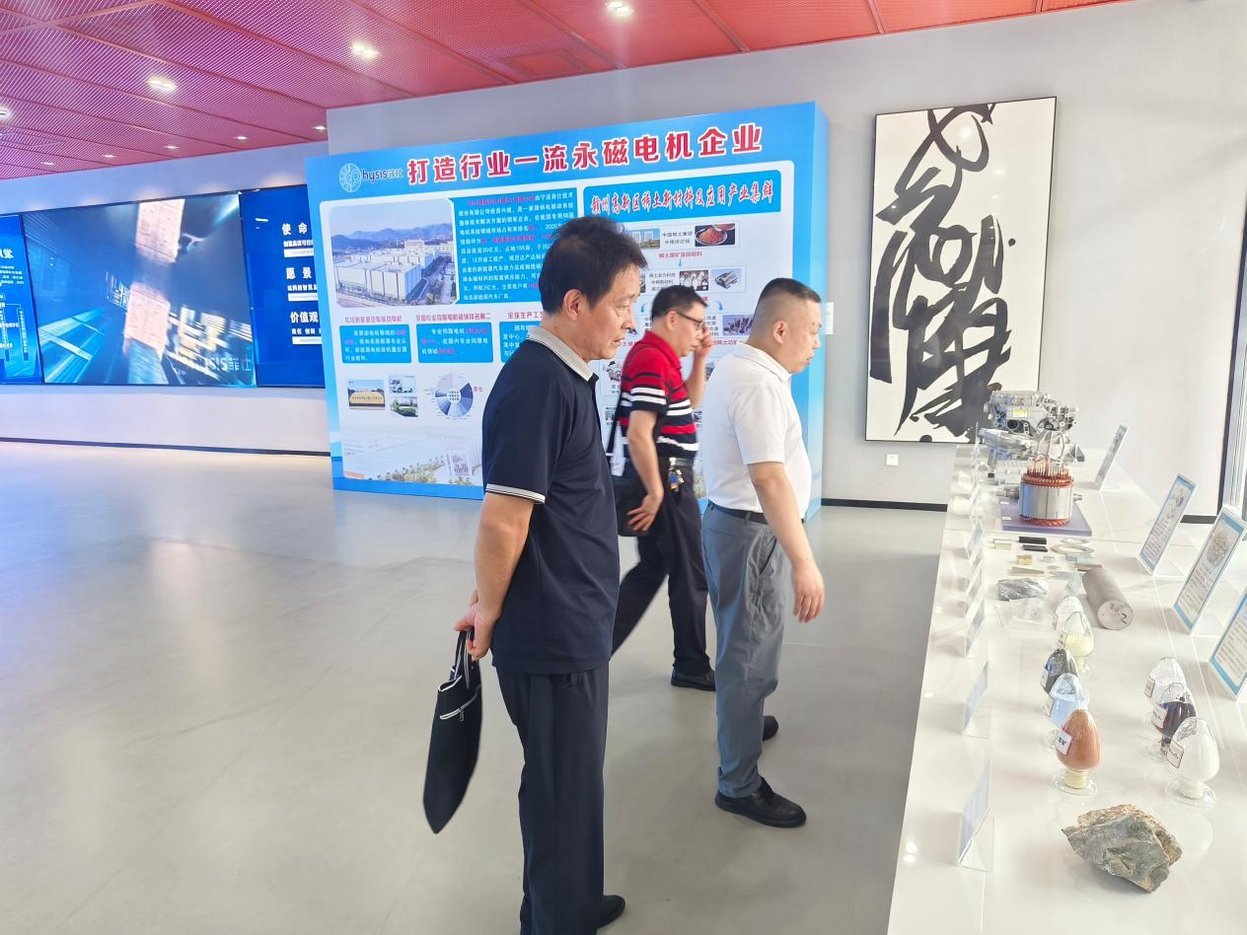
- CREIA conducted a week-long survey across Ganzhou, Jiangxi Province, visiting rare earth metals, recycling, and permanent magnet motor companies.
- No new policy was announced, but the visit reflects China's ongoing coordination of rare earths as an integrated strategic industrial ecosystem.
- China's advantage lies not just in geology but in planning, patient capital, and execution across the full mine-to-magnet supply chain.
- The West's fragmented, market-driven approach leaves it vulnerable; new mines alone will not close the gap without coordinated industrial policy.
- Rare Earth Exchanges warns that isolated investments and press releases cannot substitute for the systemic coordination China has institutionalized.
China's Rare Earth Industry Association (CREIA) conducted a week-long survey from June 29 to July 5 across Ganzhou, Jiangxi Province, and nearby regions—one of China's most important heavy rare earth centers. The delegation visited companies across rare earth metals and alloys, resource recycling, and permanent magnet motors. No new investment, export rule, production increase, or pricing policy was announced. But the deeper signal is clear: China continues to coordinate its rare earth sector as a strategic industrial system. Rare Earth Exchanges® assessment: In the Great Powers Era 2.0, China's advantage is not only geology. It is planning, coordination, and integrated execution.
Inside China's Rare Earth Heartland
The CREIA delegation visited a broad section of the supply chain: rare earth metal and alloy producers, secondary resource recovery firms, and downstream permanent magnet motor manufacturers. The group met executives, reviewed production conditions, discussed R&D, market strategy, development plans, and industry pain points. It also met with the Jiangxi Rare Earth Industry Association to discuss regional coordination, industry self-regulation, and member services. This was not presented as a breakthrough. It was a diagnostic exercise.
The Quiet Machinery of Industrial Power
That is what makes it important. China treats rare earths as an integrated strategic ecosystem. Industry associations, state-linked enterprises, regional governments, recyclers, alloy makers, motor producers, and research institutions operate within a coordinated national framework.
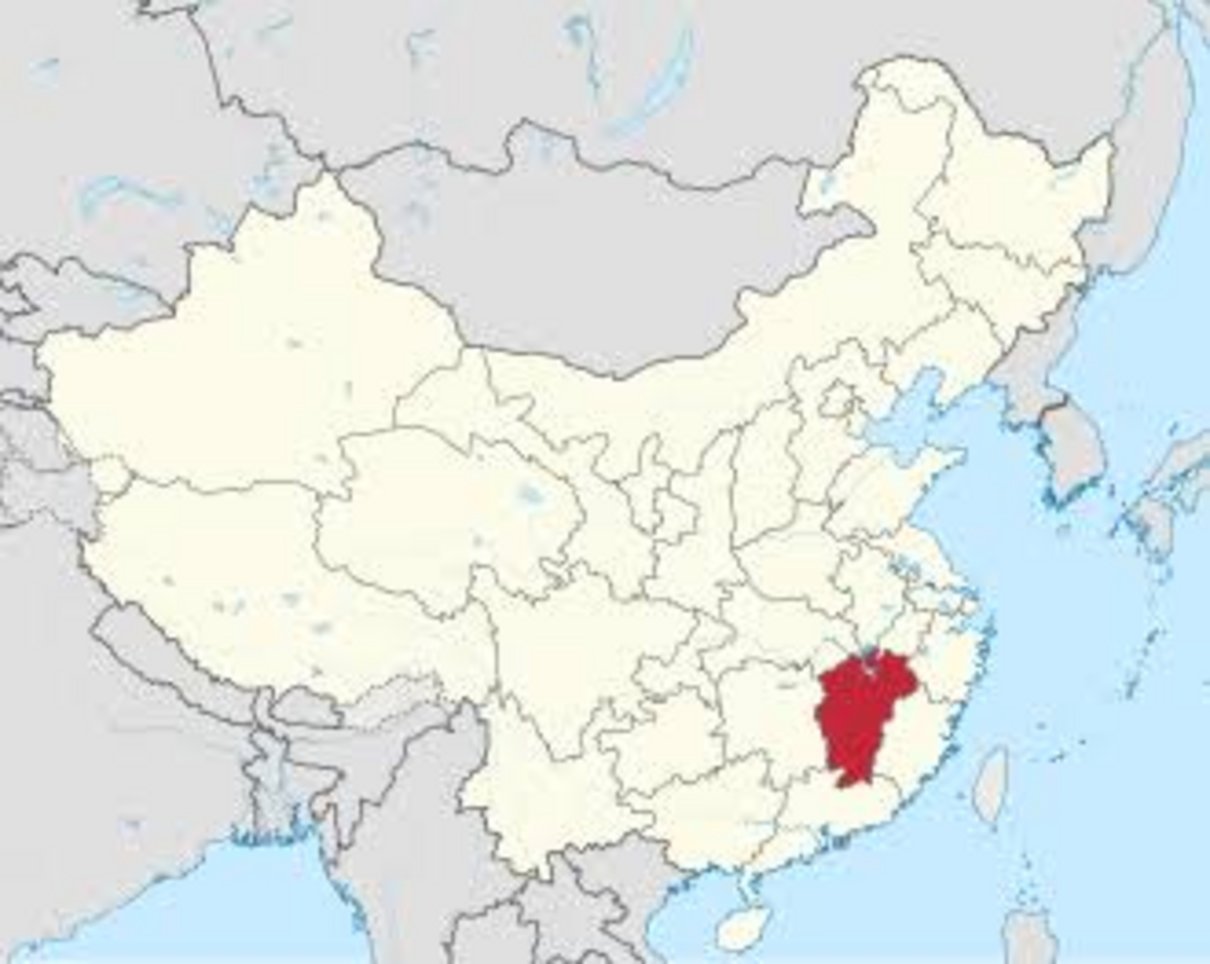
Jiangxi Province
The U.S. model, part of a hyper-capitalistic Anglo-American financialization model, is different. American firms often optimize for quarterly returns, capital efficiency, and near-term profitability. That can work in software and other sectors. It is less effective in strategic materials, where mine-to-magnet capability may require decades of patient capital, industrial policy, technical iteration, and guaranteed demand.
Why the West Is Falling Behind
This survey announced no immediate market shock. But it reflects why China keeps pulling further ahead.
Beijing is not merely producing rare earths. It is studying bottlenecks, aligning companies, reinforcing recycling, integrating metals and alloys, and connecting upstream supply to downstream permanent magnet motors.
In the Great Powers Era 2.0, a term coined by Rare Earth Exchanges, supply chains are no longer neutral commercial plumbing. They are instruments of national power. Readers need to read, internalize, and understand the implications.
For the U.S. and Europe, the lesson is uncomfortable but unavoidable: neither new mines alone nor piecemeal separation capacity will close the gap. The West needs coordinated financing, processing, alloying, magnet manufacturing, recycling, offtake, workforce development, and defense demand. Otherwise, China will keep playing chess while America celebrates isolated press releases.
Source Disclosure: This report is based on information released by the China Rare Earth Industry Association (CREIA), an organization operating within China's state-directed rare earth sector. The information should be independently verified before being relied upon for investment, commercial, or policy decisions.
Register today: REEx Marketplace™ (opens in a new tab)


0 Comments
No replies yet
Loading new replies...
Moderator
Join the full discussion at the Rare Earth Exchanges Forum →