
Highlights
- Brett Lambert, a veteran of defense industrial policy and advanced manufacturing, has been appointed Executive Chairman of VaultCo LLC under Project Vault.
- Project Vault is backed by a $10 billion EXIM Bank loan authorization—the largest in the agency's history—aimed at reducing U.S. dependence on foreign critical mineral supply chains.
- Experts warn that financing alone cannot rebuild America's industrial base without addressing downstream gaps in separation, metalmaking, and permanent magnet manufacturing.
- Success should be measured not by dollars authorized but by industrial capabilities created, including expanded separation capacity and reduced reliance on Chinese midstream processing.
- Lambert's four decades spanning the DoD, Northrop Grumman, and the ARM Institute bring credibility, but the harder challenge is translating capital into durable industrial capacity.
Project Vault, the U.S. government's ambitious public-private initiative to strengthen domestic critical mineral supply chains, has appointed Brett Lambert (opens in a new tab) as Executive Chairman of VaultCo LLC. Lambert brings decades of leadership in defense industrial policy, supply-chain security, and advanced manufacturing. His appointment adds experienced strategic leadership at a pivotal moment for America's critical minerals strategy. Rare Earth Exchanges® assessment: The leadership decision is encouraging. The larger question is whether Project Vault's financing model can help build a truly competitive mine-to-magnet industrial ecosystem—or whether capital alone will prove insufficient to overcome America's downstream manufacturing gaps.
Brett Lambert
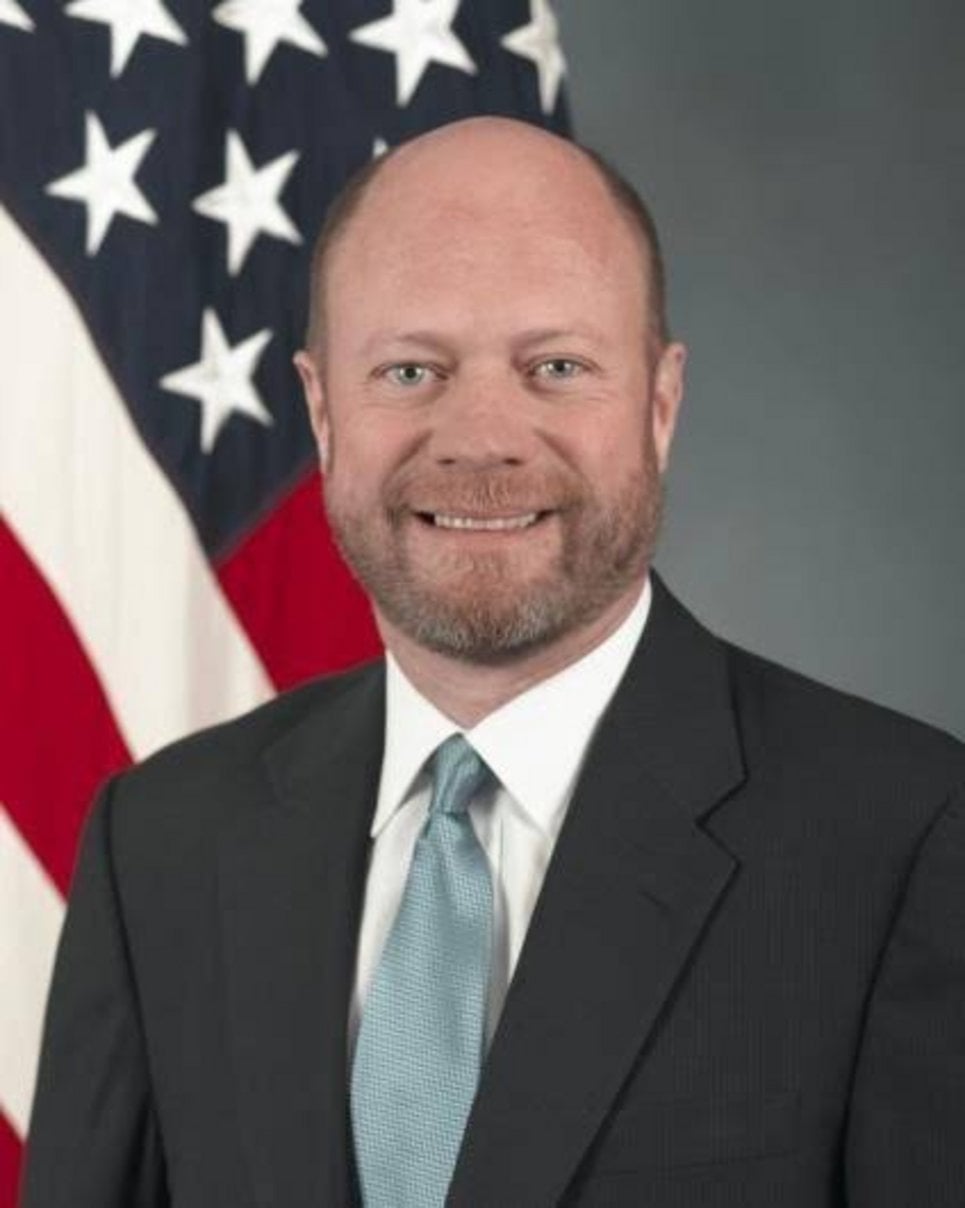
Source: Stimson Center
A Serious Leader for a Serious Mission
Project Vault has never lacked ambition. Backed by an Export-Import Bank of the United States (opens in a new tab) (EXIM) direct loan authorization of up to $10 billion—the largest financing commitment in the agency's history—the initiative seeks to reduce America's dependence on foreign-controlled critical mineral supply chains by supporting domestic production, processing, and industrial resilience.
Lambert's background aligns naturally with that mission. His experience spans the Department of Defense, Northrop Grumman, the Defense Science Board, and the Advanced Robotics for Manufacturing Institute, giving him credibility across government, defense, and advanced manufacturing.
Capital Is Necessary. Is It Sufficient?
The announcement rightly emphasizes supply-chain resilience, domestic production, and national security.
But financing alone will not rebuild America's industrial base.
Rare Earth Exchanges has consistently argued that the greatest bottlenecks lie downstream—in separation, metalmaking, alloy production, permanent magnets, customer qualification, and manufacturing of magnets, assemblies, and components at scale. Without those capabilities, financing upstream production risks creating supply before sufficient domestic industrial demand exists.
Some industry commentators, including the publisher of Rare Earth Observer (opens in a new tab), have also raised questions about whether Project Vault's governance structure, investment priorities, and execution model will translate financing into durable industrial capacity. Those concerns deserve thoughtful consideration, even though it remains far too early to assess the project's ultimate effectiveness.
Execution Will Define Success
Project Vault should not ultimately be judged by dollars authorized. Rather, it should be judged by industrial capability created. Can it accelerate separation capacity? Expand metalmaking? Support permanent magnet manufacturing? Strengthen downstream customer ecosystems? Reduce dependence on Chinese midstream processing?
Those are the metrics that matter.
In the Great Powers Era 2.0, a term coined by Rare Earth Exchanges, America needs more than financial engineering and piecemeal deal making—it needs serious industrial engineering. Capital is an essential ingredient, but it is only one part of a much larger ecosystem.
Brett Lambert's appointment strengthens Project Vault's leadership.
The more difficult challenge begins now: transforming historic financing into a resilient, globally competitive American critical minerals industry.
Profile
Brett Lambert brings more than four decades of experience at the intersection of national security, defense industrial policy, and advanced manufacturing. He currently serves as Managing Director of The Densmore Group and previously held senior leadership positions as Vice President of Corporate Strategy at Northrop Grumman and as Deputy Assistant Secretary of Defense for Manufacturing and Industrial Base Policy under the Obama administration, where he oversaw defense industrial capabilities, supply-chain resilience, Defense Production Act programs, and manufacturing initiatives, including helping launch the first Manufacturing USA institute. A recipient of the Department of Defense's highest civilian honors, Lambert has also co-chaired the Defense Science Board's landmark study on the 21st Century National Security Industrial Base and currently chairs the Advanced Robotics for Manufacturing (ARM) Institute while serving on several leading national security and industrial policy boards.
Register today: REEx Marketplace™ (opens in a new tab)


0 Comments
No replies yet
Loading new replies...
Moderator
Join the full discussion at the Rare Earth Exchanges Forum →